
Parbo hits altered mafic rocks at Mount Padbury, but gold remains unproven
A 60-kilometre structure is interpreted beneath cover near established gold districts, but first-pass drilling is still testing the model.
Why it matters: First-pass drilling has reached rocks consistent with a concealed greenstone setting, but assays will determine whether the geological clues carry evidence of gold.
54 holes — aircore campaign at Oddjob and Goldfinger
60 kilometres — interpreted structural trend within Parbo’s Mount Padbury tenure
44 open-pit and four underground mines — discovered in the broader district east of the project
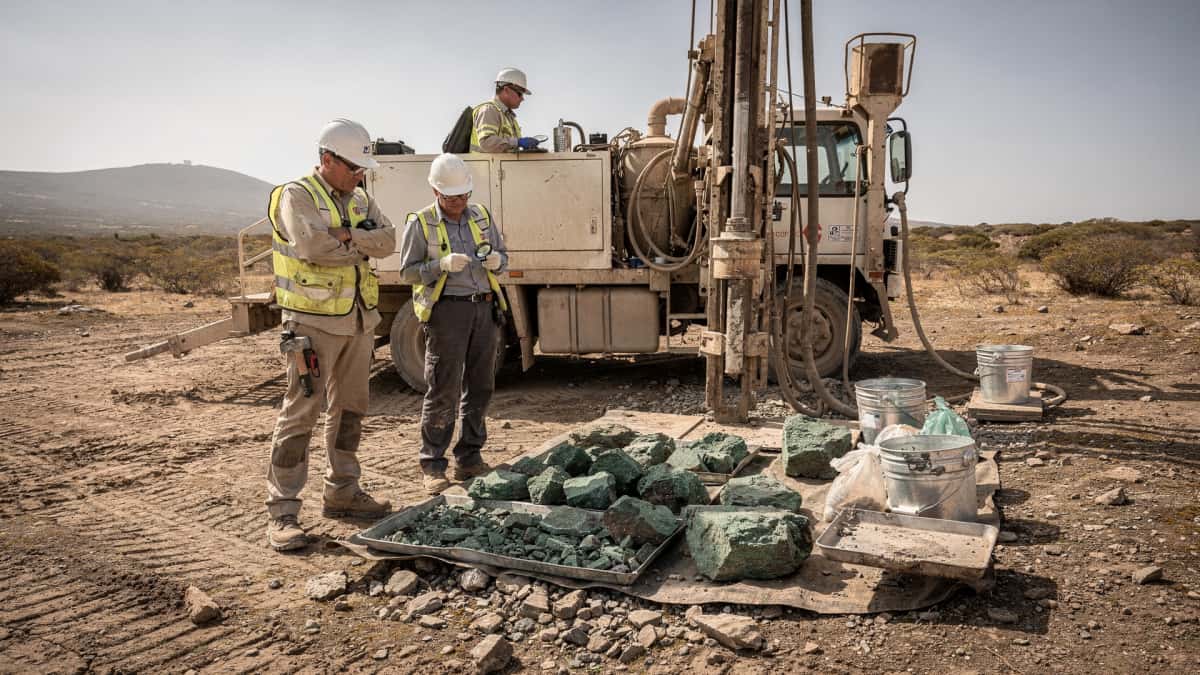
Parbo Resources has completed 54 aircore holes at its Mount Padbury project in Western Australia, describing sheared and altered mafic rocks at the Oddjob and Goldfinger prospects. The geology is compatible with rocks found in greenstone belts associated with gold systems, but laboratory assays are pending and the company has not confirmed gold mineralisation.
The project, 90 kilometres northwest of Meekatharra, had not previously been drilled. Parbo is testing whether a regional structure known farther east continues beneath Mount Padbury and could host a concealed greenstone belt.
A 60-kilometre trend beneath cover
Parbo interprets the structure as continuing through its tenements for about 60 kilometres. The company’s model, outlined by general manager Tim Campbell, is that the structure was interrupted farther east by the older Bryah Basin and may continue west through Mount Padbury.
The regional setting provides context, not proof. More than five million metres of drilling east of the project has led to the discovery of 44 open-pit and four underground mines, including Plutonic, which has produced since 1990. That history does not establish that the same mineralisation extends onto Parbo’s ground.
Gold has been found by prospectors in the area over several years. Government-funded geophysical surveys in 2017 and 2018 outlined weak anomalies, and Parbo later completed ground geophysical work. The company says an area mapped as a large granite body may contain different geology beneath its cover.
Drilling tests the geological interpretation
At Oddjob and Goldfinger, the aircore holes provided the first direct test of the model. Parbo reported sheared, altered mafic rocks at both prospects, with the alteration and lithologies considered compatible with greenstone-belt rocks. That interpretation identifies a geological setting of interest; it does not establish that gold is present.
A separate reverse-circulation test at GoldenEye also encountered greenstone rocks. The first two holes passed through a thin granite sheet and reached the rocks from 44 metres, shallower than Parbo’s geophysical model had indicated. The company expected assays from those holes in early 2027.
Goldfinger lies about 14 kilometres east of Oddjob and includes a roughly 20-kilometre anomaly. Its first prospect-scale drilling also intersected a breccia with sulphides and silica, chlorite and carbonate alteration. The anomaly’s extent and the presence of sulphides are exploration indicators, not evidence of an economic deposit; Campbell has described the work as early-stage, with relatively few holes drilled.
The next test at Mount Padbury is therefore analytical as well as geological: assay results must show whether the altered rocks contain gold. Parbo’s interpretation of a concealed belt will also require further drilling to demonstrate its continuity and mineralisation.
More in Discoveries
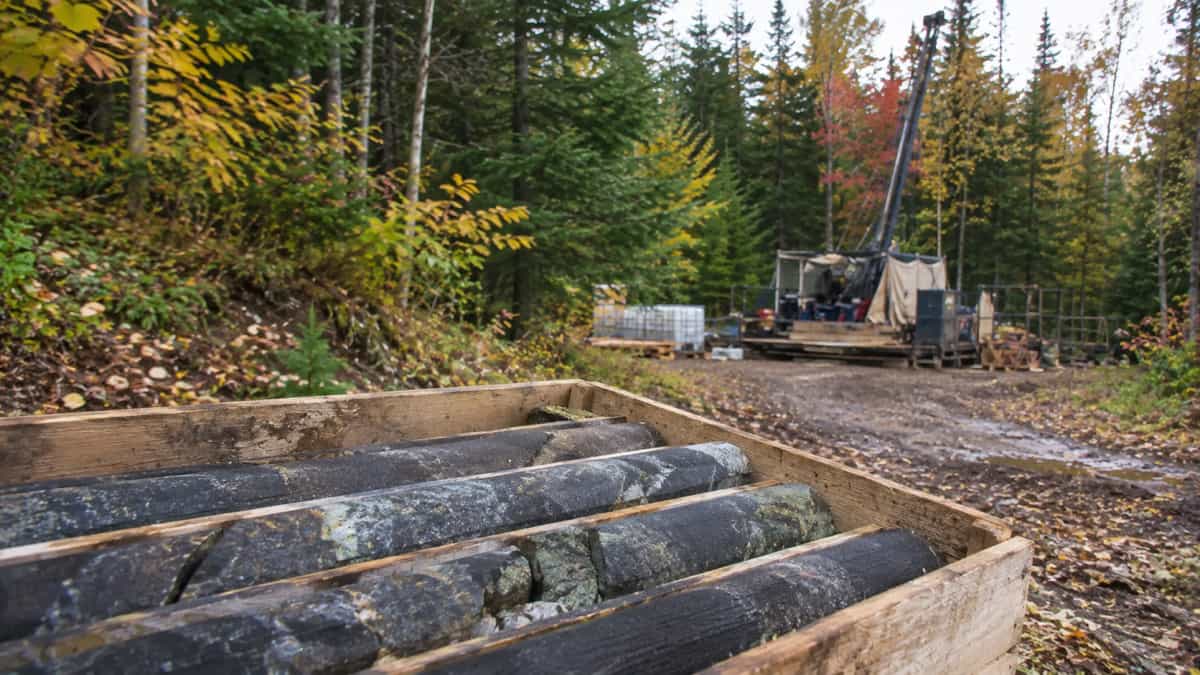
Ni-Co Energy’s Kremer drilling finds deep sulphides, but continuity remains unproven
The Quebec programme paired shallow assays with deeper mafic and ultramafic rocks, setting up two different tests for the next phase.
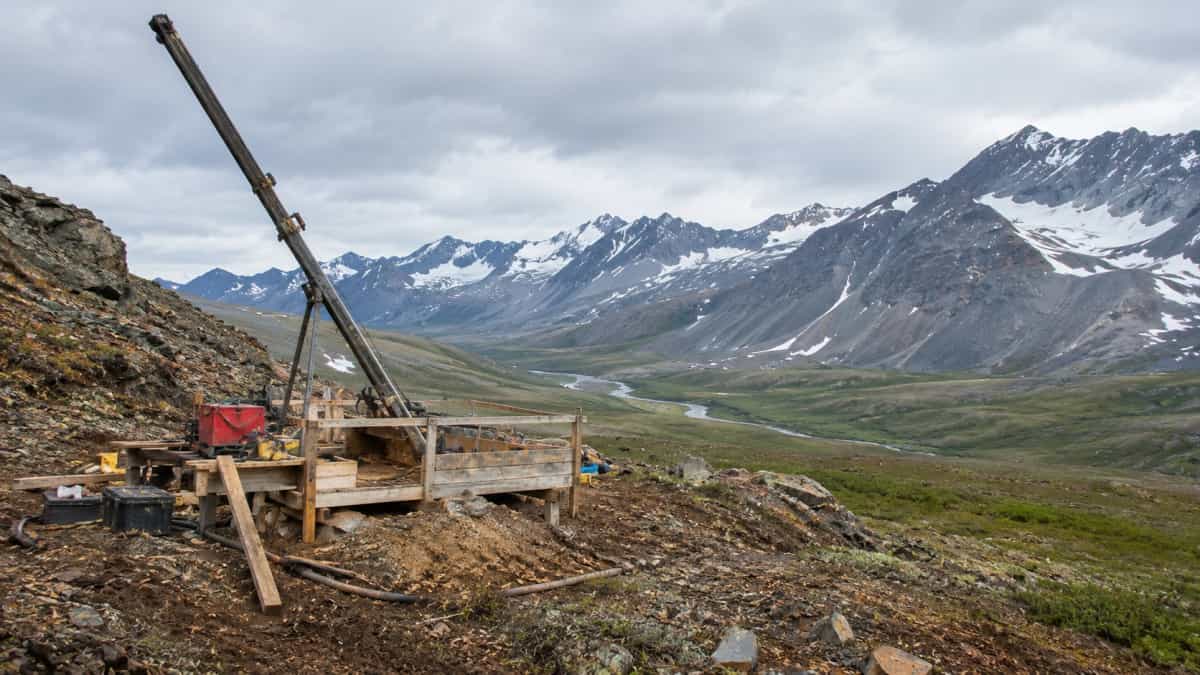
Cantex finds lead-zinc at North Gold, leaving a 7 km germanium question open
Three holes confirm gold, silver, lead and zinc, but the strategic metal identified elsewhere on the property still needs testing.
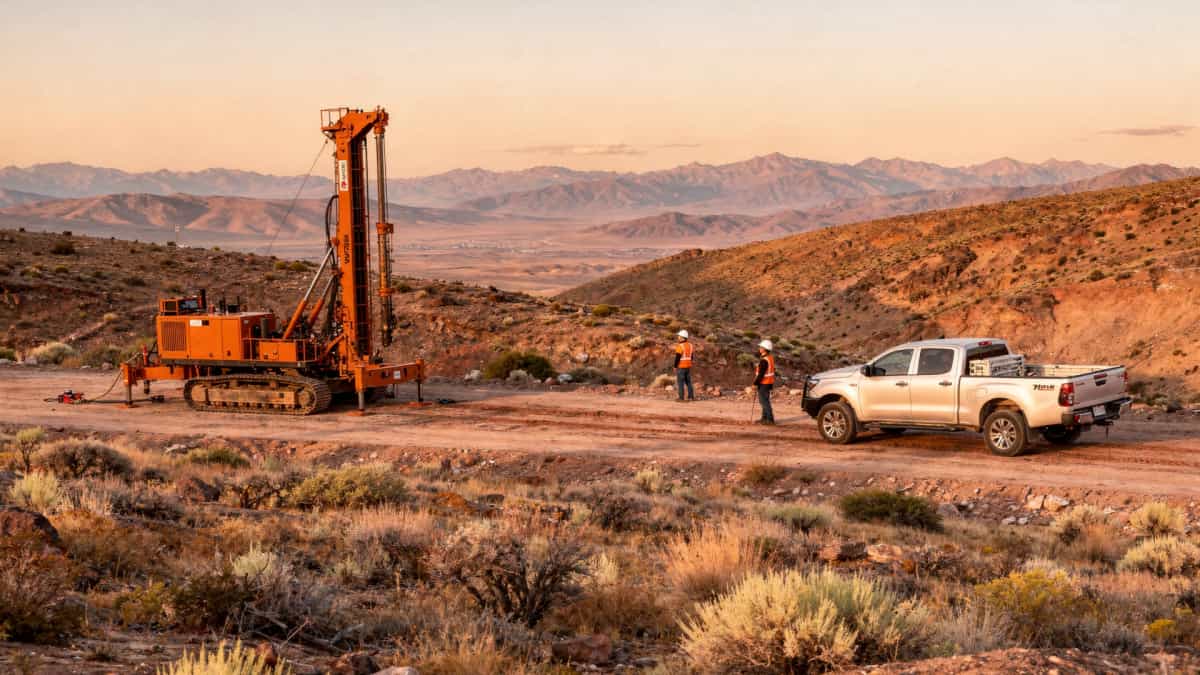
Renascor wins South Australian grant to test Flat Hill copper targets, but sulfides remain unproven
VTEM conductors sit near historic copper intersections and extend into southern ground that has yet to be tested.