
Ni-Co Energy’s Kremer drilling finds deep sulphides, but continuity remains unproven
The Quebec programme paired shallow assays with deeper mafic and ultramafic rocks, setting up two different tests for the next phase.
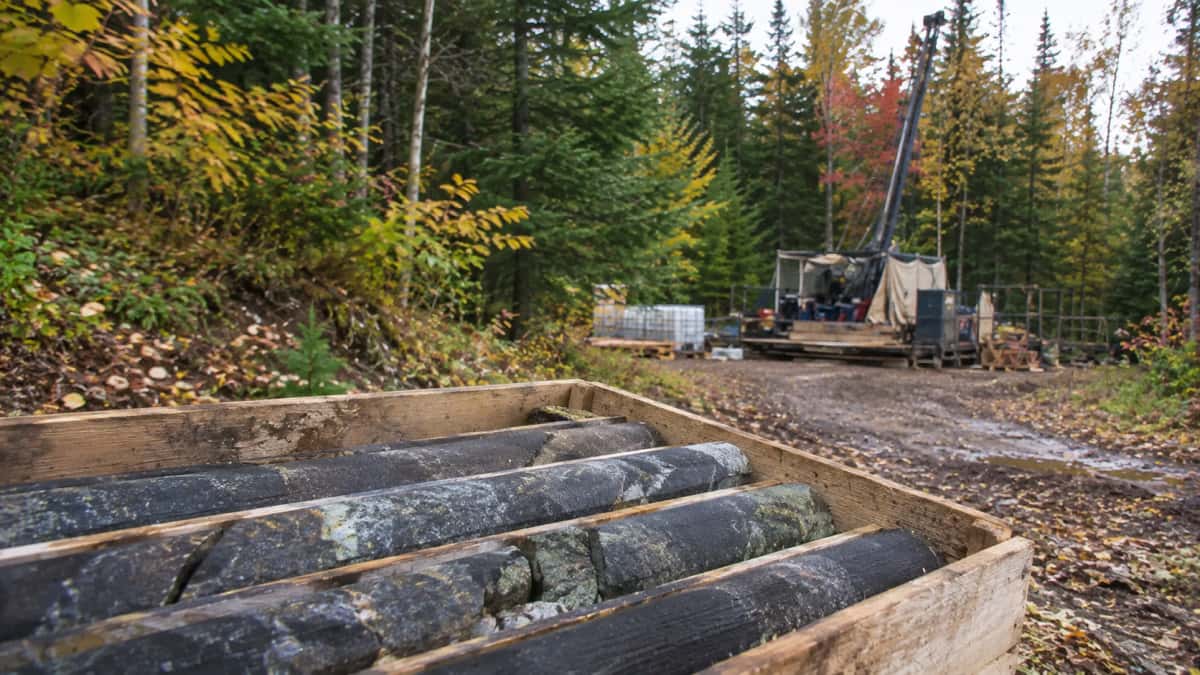
Why it matters: Kremer’s deeper sulphide-bearing rocks could broaden the exploration model, but assays and follow-up drilling are needed to establish whether they host continuous mineralization.
3,822 metres — drilled across 16 holes in the 2026 programme.
4.60 metres — the reported nickel-copper-cobalt interval in hole KR-26-30.
15 holes — chemical results remain pending.
2027 — the company plans to resume drilling in the Canadian spring.
Ni-Co Energy Inc. reported nickel, copper and cobalt mineralization at its Kremer project in Quebec, about 90 kilometres north of Montreal, including a 4.60-metre interval grading 0.59% nickel, 0.20% copper and 0.07% cobalt in hole KR-26-30. The company has released assay results for one of 16 holes drilled during the 2026 campaign; results for the other 15 are pending.
The drilling also intersected mafic and ultramafic rocks with visible sulphides at depth. Those observations support further investigation of possible magmatic sulphide accumulations, but do not establish that deeper mineralization connects to the near-surface zone or has economic potential.
KR-26-30 returns the campaign’s first assays
The main interval in KR-26-30 runs from 29.75 to 34.35 metres down the hole. Within it, a 1.75-metre section graded 1.06% nickel, 0.23% copper and 0.13% cobalt. A nested 0.95-metre interval graded 1.41% nickel, 0.07% copper and 0.17% cobalt, while a 0.50-metre section returned 0.71% nickel, 0.20% copper and 0.10% cobalt.
The reported grades are length-weighted averages; the higher-grade sections lie within the main interval and should not be added to it as separate intersections. True widths have not been determined, so downhole lengths may not represent the actual thickness of mineralization. The company also reported a relationship between sulphur and nickel and cobalt concentrations, which may help interpret the sulphide mineralization.
Deeper rocks expand the geological questions
Drilling identified units preliminarily classified as norite, gabbro-norite and pyroxenite. The observations give the company grounds to assess a primary magmatic sulphide model alongside earlier interpretations that some sulphides may have been modified and redistributed by tectonic deformation. Identifying potentially favourable rock types does not, by itself, confirm a deposit; the composition, distribution and continuity of sulphides still need to be established.
Hole KR-26-26 reached 441 metres and intersected norite, including a section with locally visible sulphides from about 196.5 to 210.8 metres. Hole KR-26-27, drilled to 429 metres, cut gabbro-norite and a mafic unit with sulphides from about 323.65 to 329.75 metres. These are visual observations, not verified assay grades or confirmed economic widths, and require chemical analysis.
Assays and geophysics will guide 2027 drilling
Ni-Co Energy temporarily halted drilling after completing the first phase to process and interpret geological data. Work includes completing the pending assays, reviewing core logs and evaluating 11 downhole electromagnetic surveys. The surveys can help identify conductive anomalies around drill holes, but an anomaly alone does not confirm economic mineralization. The company is also working with the University of Ottawa on geological interpretation.
Kremer is wholly owned by Ni-Co Energy and includes the Kremer-1, Kremer-2 and Kremer-3 targets along an approximately eight-kilometre prospective corridor. The company has said it plans to resume drilling in the spring of 2027, with target selection dependent on outstanding chemical and geophysical results. Kremer has no formal mineral resource estimate, declared reserves or established metallurgical recoveries.
More in Discoveries
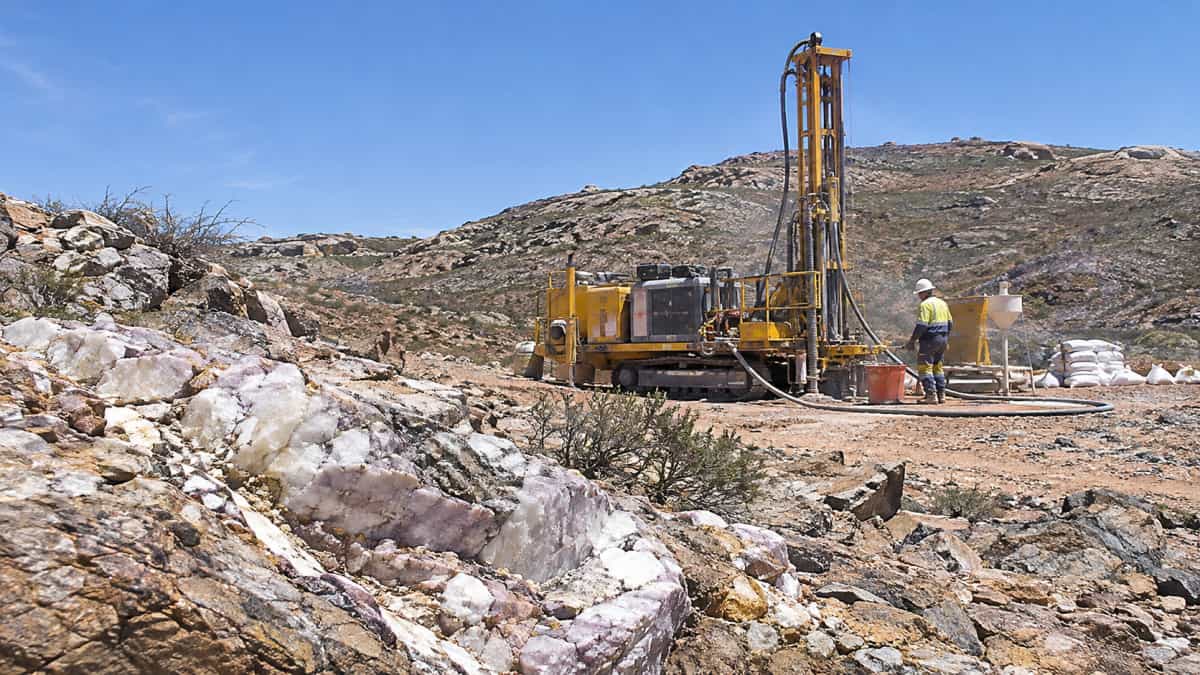
Lithium Africa finds pegmatites at South Africa’s Springbok, but continuity is unproven
Jackal Water lies 11 km from Norrabees, extending the search across a vast property as the company tests whether targets belong to one system.
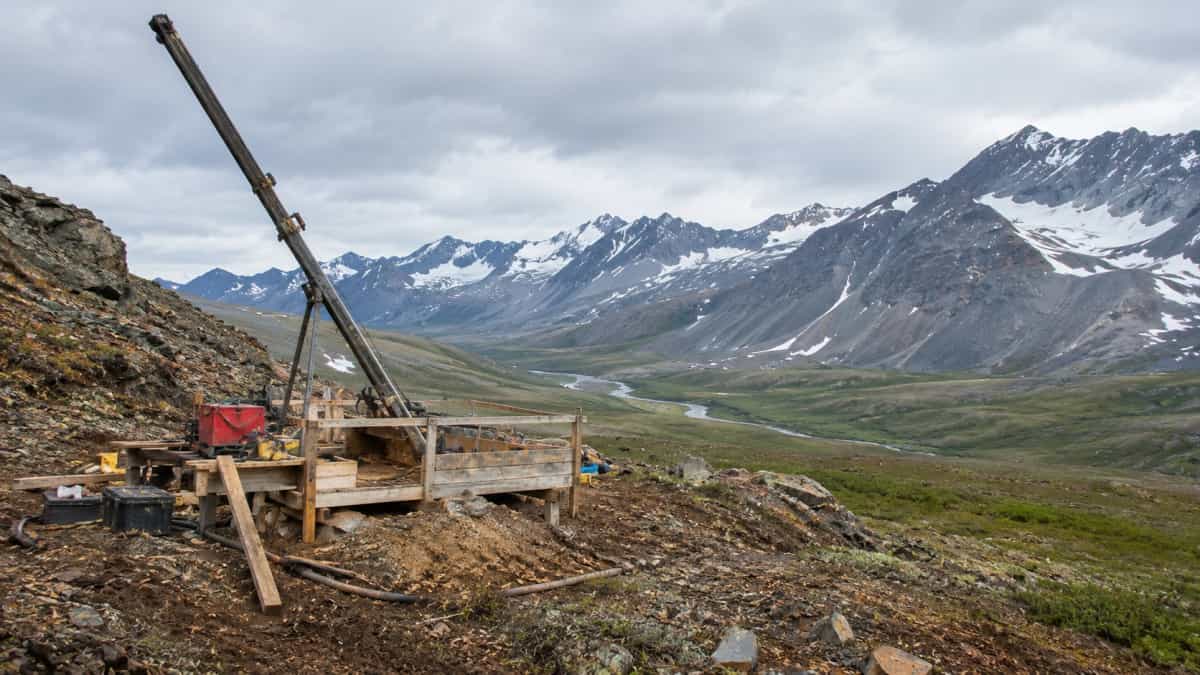
Cantex finds lead-zinc at North Gold, leaving a 7 km germanium question open
Three holes confirm gold, silver, lead and zinc, but the strategic metal identified elsewhere on the property still needs testing.
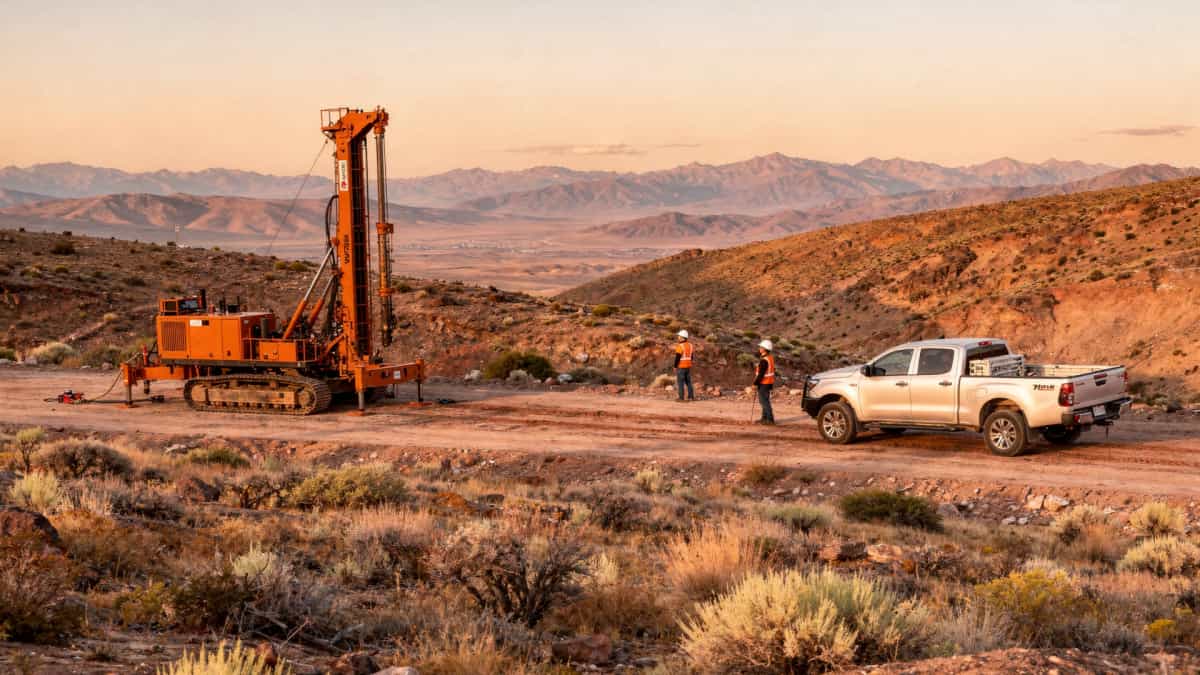
Renascor wins South Australian grant to test Flat Hill copper targets, but sulfides remain unproven
VTEM conductors sit near historic copper intersections and extend into southern ground that has yet to be tested.