
Lithium Africa finds pegmatites at South Africa’s Springbok, but continuity is unproven
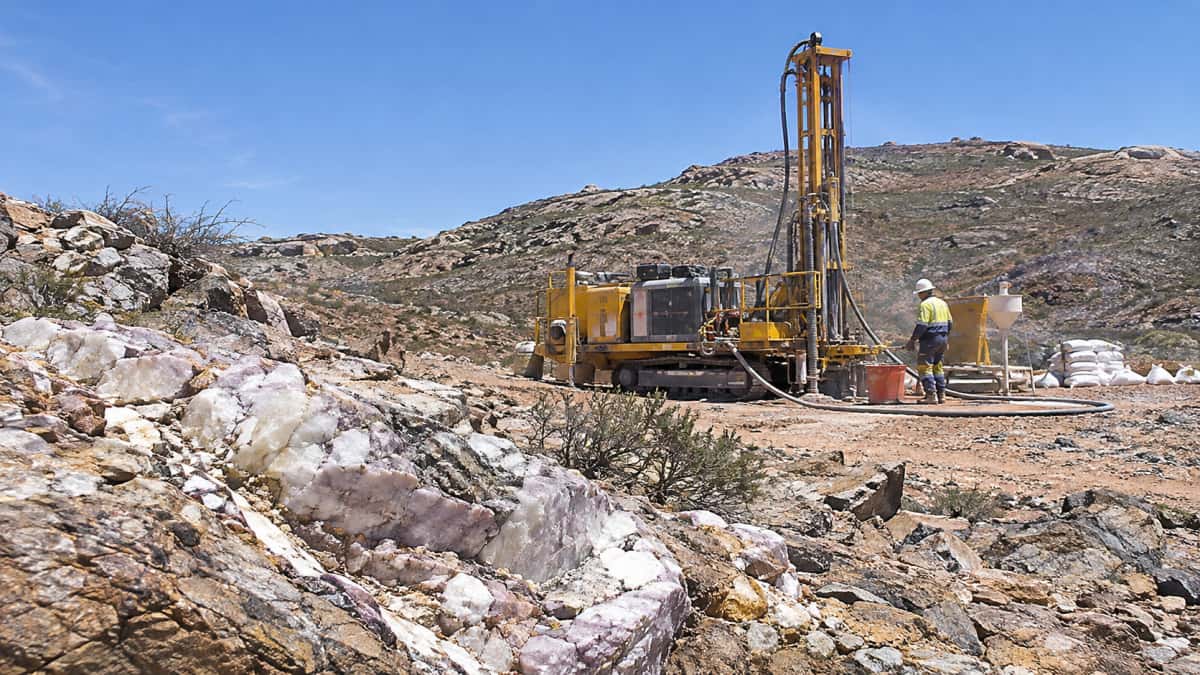
Jackal Water lies 11 km from Norrabees, extending the search across a vast property as the company tests whether targets belong to one system.
Why it matters: Jackal Water broadens Springbok’s exploration footprint, but the discovery does not yet establish a continuous or economically viable lithium deposit.
2.21% Li₂O — highest reported one-metre assay interval at Jackal Water
56 metres — longest pegmatite interval recorded in the initial drilling
11 km — approximate distance southwest of the Norrabees pegmatites
1,675 km² — area covered by the Springbok project
Lithium Africa Corp. has identified lithium-bearing pegmatites at Jackal Water, within its Springbok project in South Africa’s Northern Cape, with initial assays reaching 2.21% lithium oxide (Li₂O). The target is about 11 km southwest of the Norrabees pegmatite group, but the results do not establish mineralized continuity between the two areas.
The first Jackal Water campaign comprised eight reverse-circulation holes totalling 308 metres across Jackal Water I and II. All eight intersected pegmatite, with recorded downhole lengths of 11 to 56 metres. Assays reported so far cover three holes and include individual one-metre intervals grading 2.21%, 1.35% and 0.89% Li₂O.
Pegmatite lengths are not mineralized widths
Hole JW1RC26-002 returned one metre at 2.21% Li₂O from 10 metres downhole and another one-metre interval at 0.89% from 15 metres. At Jackal Water II, JW2RC26-003 intersected 56 metres of pegmatite to a depth of 57 metres, including one metre at 1.35% Li₂O from 45 metres.
The 56 metres refers to pegmatite recorded in the hole, not a continuous interval of lithium mineralization. Much of the pegmatite sampled to date graded below 0.25% Li₂O, and true widths have not been established. Assays from five of the initial eight holes remain pending, as do results from three additional holes totalling 189 metres.
Lithium Africa says it selected Jackal Water targets by combining satellite imagery, field geology and machine-learning analysis of portable X-ray fluorescence data. Fieldwork then confirmed the geological structures used to plan drilling. Elevated caesium, rubidium and tantalum readings were also identified; these elements can help guide pegmatite exploration but do not, on their own, demonstrate an economic lithium deposit.
Springbok’s regional scale remains an exploration proposition
Springbok covers about 1,675 km² and includes spodumene-bearing pegmatites identified along a geological trend of approximately 50 km. The company has reported apparent surface widths of 9 to 30 metres, but geometry and continuity at depth still require assessment. During 2026, it completed 138 holes across 14 pegmatite targets, for about 4,330 metres of drilling.
Results from Norrabees provide context for the new target, not proof that the systems connect. At Norrabees III, 12 reverse-circulation holes returned lithium in all holes, including six metres at 1.52% Li₂O and individual samples up to 3.64%. At Norrabees I, diamond hole NB1DD26-006 returned 9.05 metres at 1.19% Li₂O from 1.95 metres, including six metres at 1.44%.
Springbok does not yet have a formal mineral resource estimate. The company has compared some of the project’s pegmatite dimensions with deposits in Brazil’s Minas Gerais state, but such comparisons do not establish equivalent grades, tonnage, reserves or economics.
Production target depends on funding and approvals
Lithium Africa is also pursuing a route to spodumene concentrate production in the second half of 2027, using material previously mined at Norrabees I alongside future mine feed through a dense-media separation plant. The target remains conditional: the project lacks completed economic and feasibility studies, and further permits are required for the processing facility.
In October 2026, the company received two non-binding financing proposals. One contemplated US$60 million linked to a project partner’s participation; the other involved advance financing tied to future concentrate supply. Neither proposal represents committed or disbursed funding. Lithium Africa has said it aims to make a financing decision in the first half of 2027, with construction dependent on financing and permits.
The next tests at Jackal Water are the outstanding assays and follow-up geological work. Those results will help determine whether the new pegmatites merit further evaluation alongside Norrabees; they will not, by themselves, establish a resource or support a production case.
More in Discoveries
Ni-Co Energy’s Kremer drilling finds deep sulphides, but continuity remains unproven
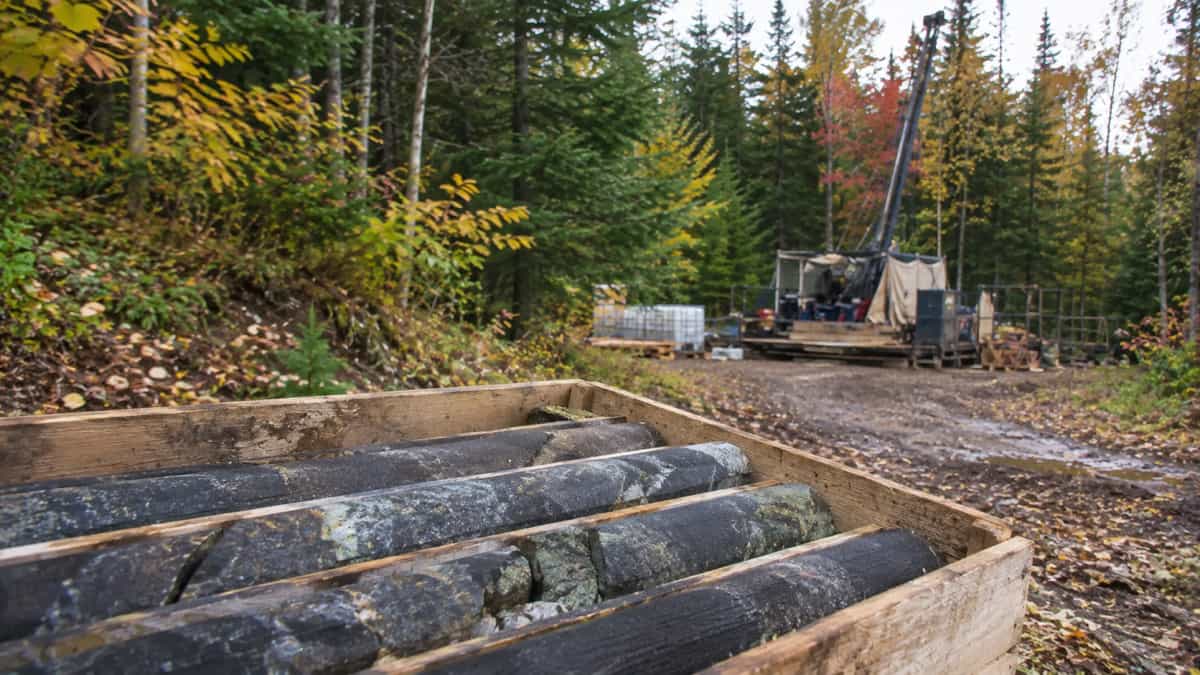
The Quebec programme paired shallow assays with deeper mafic and ultramafic rocks, setting up two different tests for the next phase.
Cantex finds lead-zinc at North Gold, leaving a 7 km germanium question open
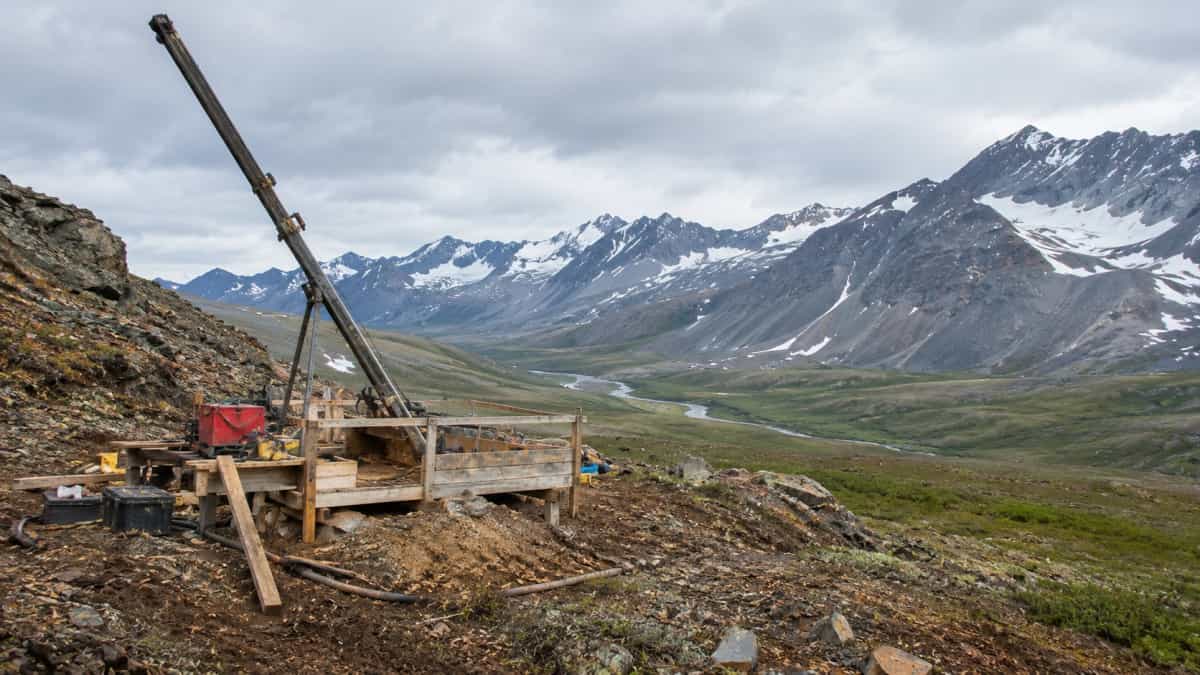
Three holes confirm gold, silver, lead and zinc, but the strategic metal identified elsewhere on the property still needs testing.
Renascor wins South Australian grant to test Flat Hill copper targets, but sulfides remain unproven
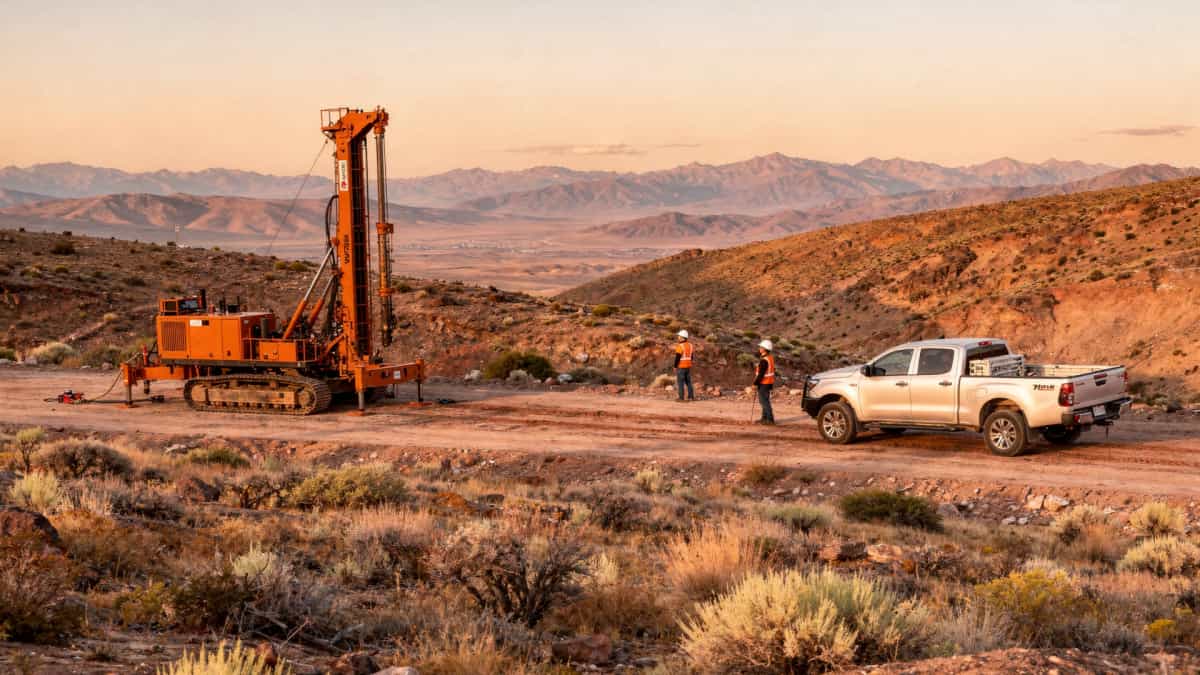
VTEM conductors sit near historic copper intersections and extend into southern ground that has yet to be tested.