
New Found Gold hits 110.47 g/t at Queensway as open-pit limits remain to be defined
Shallow Iceberg drilling is aimed at Queensway’s first mining phase, but grade-control data must still help define the limits of extraction.
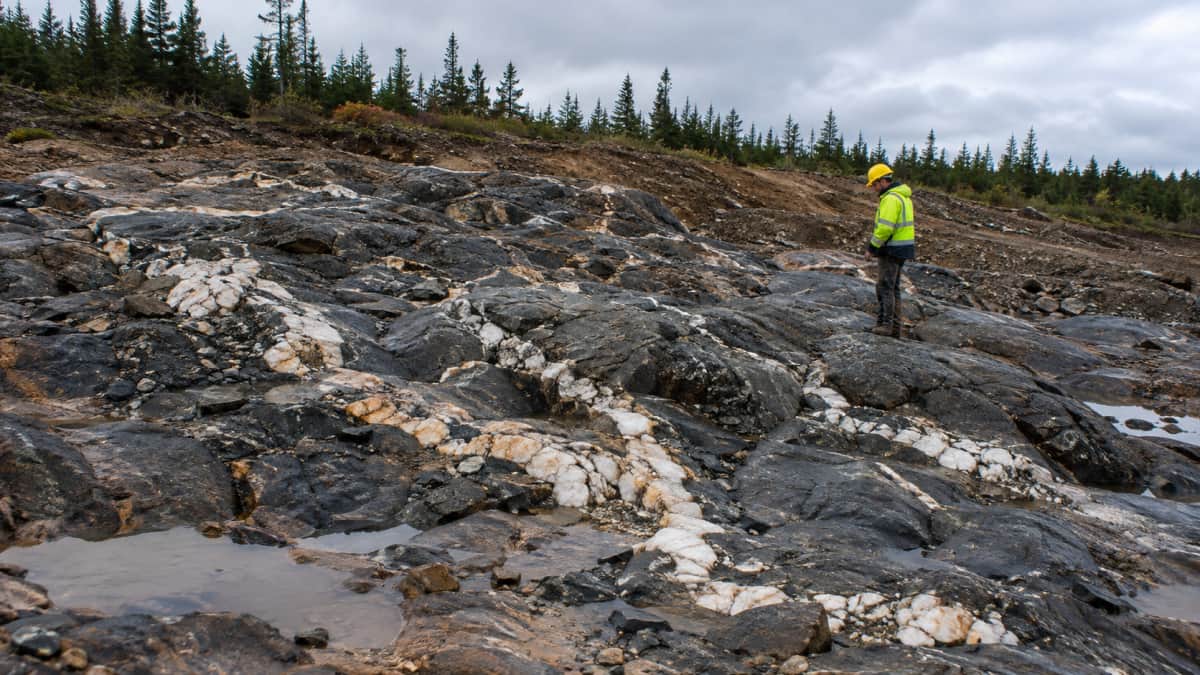
Why it matters: Iceberg’s shallow gold zones could feed Queensway’s planned opening phase, but their distribution will influence mine boundaries, dilution and mill feed.
110.47 g/t gold over 2.60 metres — reported in Iceberg hole NFGC-26-GC-143.
5 by 5 metres — the grade-control drilling grid used to refine the local gold model.
10,071 metres in 88 holes — the broader Queensway drilling update, covering several work types.
C$149.8 million — projected initial capital in the updated preliminary economic assessment.
New Found Gold reported an intersection of 2.60 metres grading 110.47 g/t gold at the Iceberg zone of its Queensway project in Newfoundland and Labrador. Hole NFGC-26-GC-143 encountered mineralization from 27.55 metres downhole. The company also reported 12.00 metres at 14.58 g/t from 1.65 metres and 12.25 metres at 12.05 g/t.
The results, released on November 24, 2026, come from grade-control drilling ahead of a production start the company projects for the fourth quarter of 2027. The shallow intersections are relevant to the planned opening open-pit phase, but the reported intervals alone do not establish final pit boundaries or average mine grades.
Iceberg drilling targets the planned opening phase
The company is drilling on a 5-by-5-metre grid in areas being considered for the first stage of production. Unlike exploration drilling intended to find new mineralization, grade-control work aims to improve confidence in the location and distribution of gold so mine plans can better account for extraction limits and dilution.
Other Iceberg results included 10.95 metres at 5.57 g/t in NFGC-26-GC-126, 5.35 metres at 10.17 g/t in NFGC-26-GC-129 and 5.90 metres at 9.22 g/t in NFGC-26-GC-125. The company said the results are consistent with earlier surface sampling and drilling completed in 2025. The reported intervals are measured along the drill holes; no true widths were provided in the material released.
At K2, a zone included in the project’s second development phase, infill drilling returned 2.20 metres at 35.31 g/t in hole NFGC-26-2765. Other results included 9.00 metres at 7.99 g/t and 8.55 metres at 6.48 g/t. The work is intended to improve confidence in inferred resources and support potential reclassification to indicated resources.
Resource growth has not yet produced mineral reserves
Queensway’s October 2026 resource update reported 27.3 million tonnes grading 2.19 g/t gold for 1.92 million ounces in the Measured and Indicated categories, and 12.47 million tonnes grading 1.51 g/t for 606,000 ounces Inferred. The company said Measured and Indicated resources increased by 528,000 ounces, incorporating updated geological information and mineralization at Dropkick.
Queensway has no declared mineral reserves. Additional studies would be required to demonstrate technical and economic viability before resources could be converted to reserves, so the resource inventory is not a production guarantee.
The updated preliminary economic assessment outlines a staged open-pit and underground development, with projected initial capital of C$149.8 million and expansion capital of C$832.1 million. It estimates total production of 1.744 million ounces over a 15-year mine life, with average annual output of 116,000 ounces and a peak of 190,000 ounces. The study assumes a gold price of US$3,600 per ounce and projects an after-tax net present value of C$1.728 billion, a 126% internal rate of return, 91.5% metallurgical recovery and an all-in sustaining cost of US$1,375 per ounce.
First production depends on permitting and execution
The first phase is planned around the Keats and Iceberg deposits, with projected mill feed averaging 13.41 g/t gold. New Found Gold plans to send material initially to its Pine Cove plant, which is expected to process Queensway ore at 700 tonnes per day. Later stages would add processing facilities at Queensway and expand underground mining. Preparatory work is scheduled to begin in 2027, subject to required authorizations.
The company has set a target of more than 7,000 metres of grade-control drilling at Keats and Iceberg during 2026. The wider 10,071-metre, 88-hole update also includes infill, geotechnical and infrastructure-site drilling. The next test is whether detailed drilling and subsequent mine planning can define practical extraction boundaries while controlling dilution and achieving the recoveries assumed in the economic assessment.
More in Discoveries
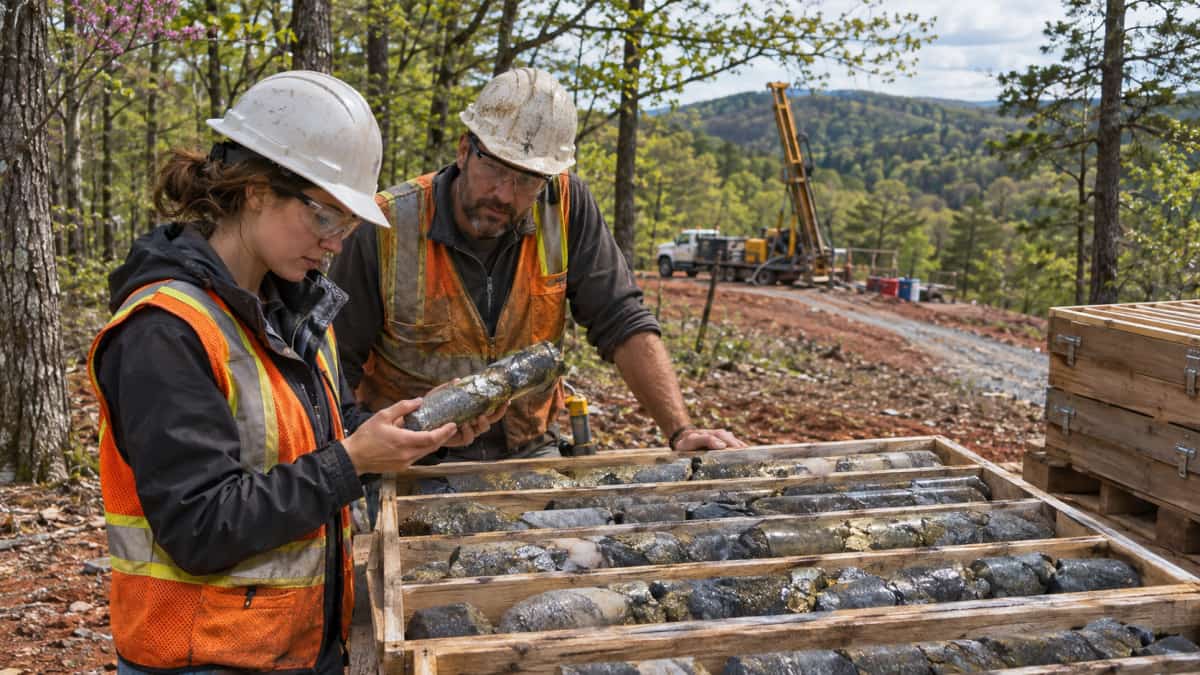
Metalsource’s corrected Silver Hill assays lift grades, but true width is unknown
The revised hole lies south of a lower-grade intersection, while the geometry of Silver Hill’s mineralized structures remains unresolved.
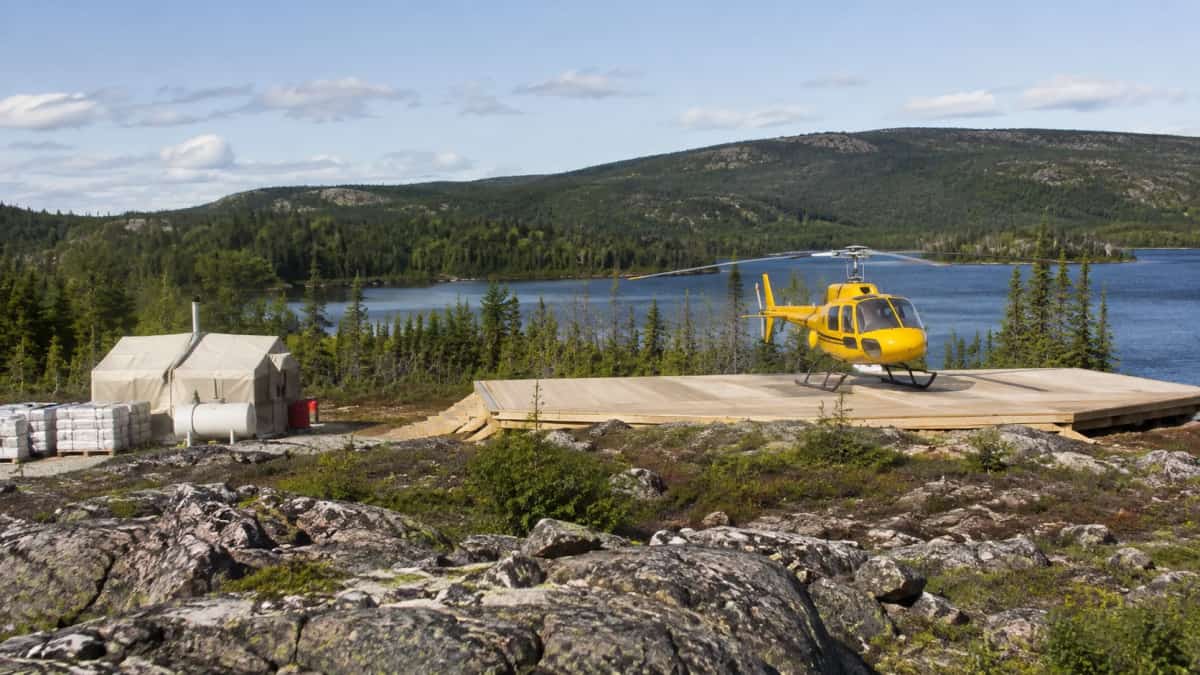
Galloper Gold reports 22.28 metres at 3.14 g/t at Glover Island, but continuity remains untested
Pending assays from Kettle Pond South may show whether the gold-bearing zone extends beyond a single drill section.
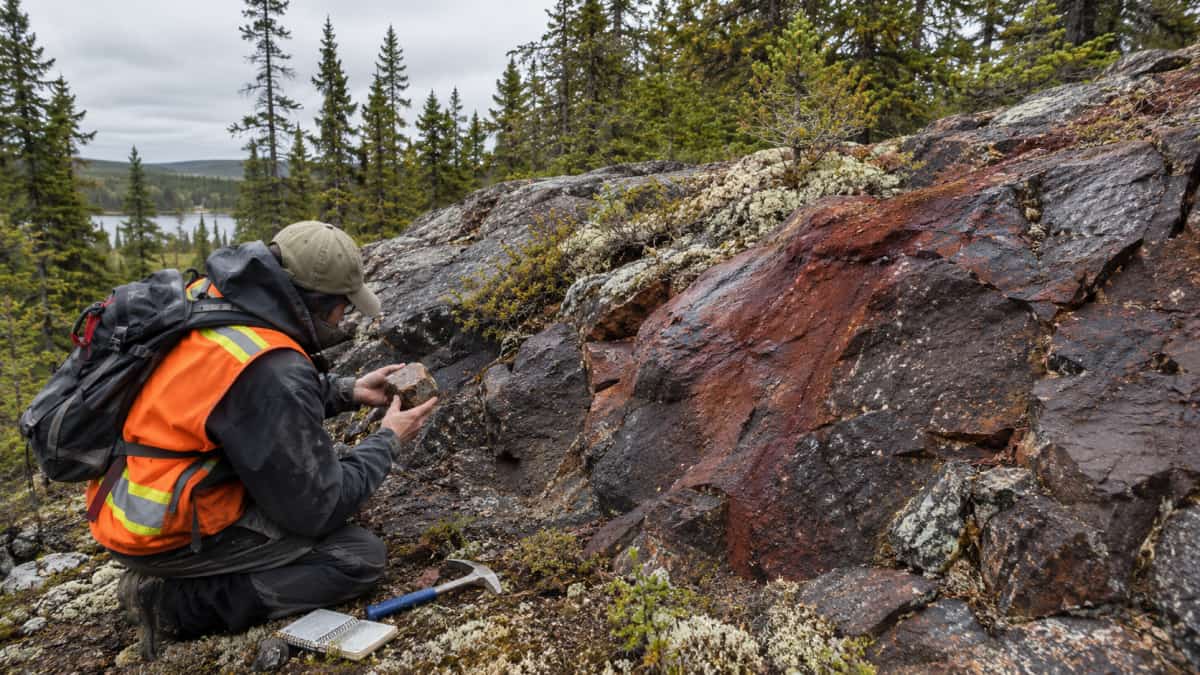
Noble Mineral Exploration finds 52.6% iron in Quebec, but processing is unproven
The surface chemistry may suit steelmaking, but the decisive question is whether processing can turn selected samples into a consistent product.