
Metalsource’s corrected Silver Hill assays lift grades, but true width is unknown
The revised hole lies south of a lower-grade intersection, while the geometry of Silver Hill’s mineralized structures remains unresolved.
Why it matters: The revised assays strengthen the case for follow-up drilling, but Silver Hill still lacks evidence of a continuous mineralized body or a current resource estimate.
103 g/t AgEq — corrected average grade across 17.28 metres in SH26-27
1,192 g/t AgEq — grade over a 0.67-metre subinterval
24 of 46 holes — drilling results still pending as of November 25, 2026
526 hectares — approximate area of the Silver Hill project
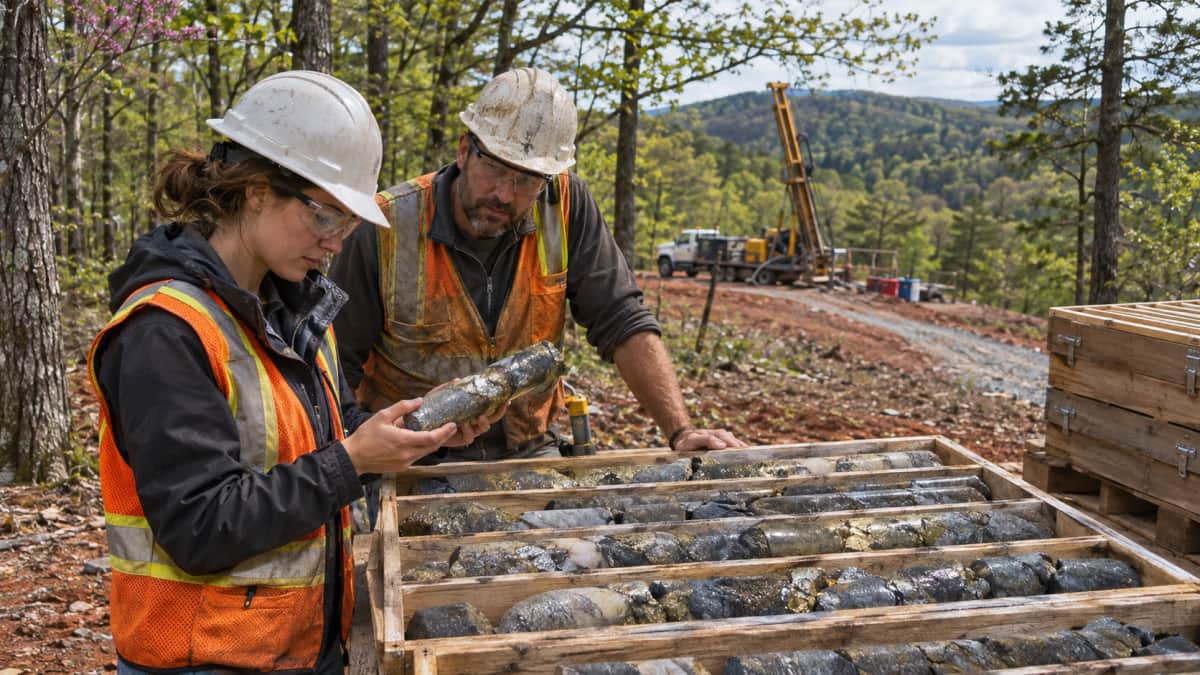
Metalsource Mining corrected assays from hole SH26-27 at its Silver Hill project in North Carolina, raising the reported average grade across a 17.28-metre interval to 103 g/t silver equivalent (AgEq) from 32 g/t. The interval runs from 243.54 to 260.82 metres down the hole. The company reported the revision on November 25, one day after publishing the original results.
The revised figures cover gold, silver, copper, lead and zinc. Metalsource reported 0.49 g/t gold, 21.23 g/t silver, 0.03% copper, 1.07% lead and 2.18% zinc. The company did not detail the cause of the assay discrepancy; it said the other reported assay results were unchanged.
High-grade subintervals remain unchanged
Two higher-grade sections within the interval were not affected by the correction. A 3.60-metre section returned 416 g/t AgEq, while 0.67 metres graded 1,192 g/t AgEq. The shorter interval contained 9.49 g/t gold, 184.86 g/t silver, 13.92% zinc, 6.59% lead and 0.49% copper. Zinc and lead together accounted for 20.51% of that interval.
These are downhole lengths, not true widths. The actual thickness of the mineralized structures has not yet been established, limiting comparisons between the reported intercepts and the potential dimensions of the mineralization.
Metalsource’s AgEq calculation combines the five metals using price assumptions and recoveries. For the November results, the company used 200-day average prices as of February 6, 2026, and recoveries based on metallurgical tests conducted in 1988. The 1,192 g/t AgEq figure is therefore not the physical silver content of the rock: the reported silver grade in that interval was 184.86 g/t. Updated recovery tests and processing assumptions would be needed to assess how the different metals might contribute to a future operation.
Southward drilling adds targets, not continuity
SH26-27 was drilled south of SH26-26, which intersected 16.34 metres grading 14 g/t AgEq. The difference between the two results points to variable grades across the area, but does not establish how the mineralization connects between holes.
Metalsource has also completed SH26-45 farther south and reported visually identified mineralization in the recovered core. Chemical assays remain pending, so the company has not yet reported grades for that hole. The next exploration work is expected to test lateral extensions and continuity at depth.
As of November 25, the project’s drilling register included 46 holes, with laboratory results pending for 24. Previous drilling included intersections of 13 metres at 447 g/t AgEq and 10.64 metres at 434 g/t AgEq. The company says these results indicate polymetallic mineralization in different parts of the project, but they do not establish a continuous, economically mineable deposit.
A historic district without a current resource estimate
Silver Hill is about 15 kilometres south of Lexington, in Davidson County, North Carolina. The project covers approximately 526 hectares and includes a historic silver mine with activity dating to 1839. Geological records describe steeply dipping mineralized structures extending to depths of about 550 metres below surface.
The project has no current mineral resource estimate, and the available drilling does not define its tonnage, average grade or metal inventory. The corrected SH26-27 results add to the exploration data, but the scale and economic potential of the system remain undetermined. Assays from SH26-45 and the other pending holes, along with work to establish true widths and updated metallurgical testing, will be needed to refine the geological interpretation.
More in Discoveries
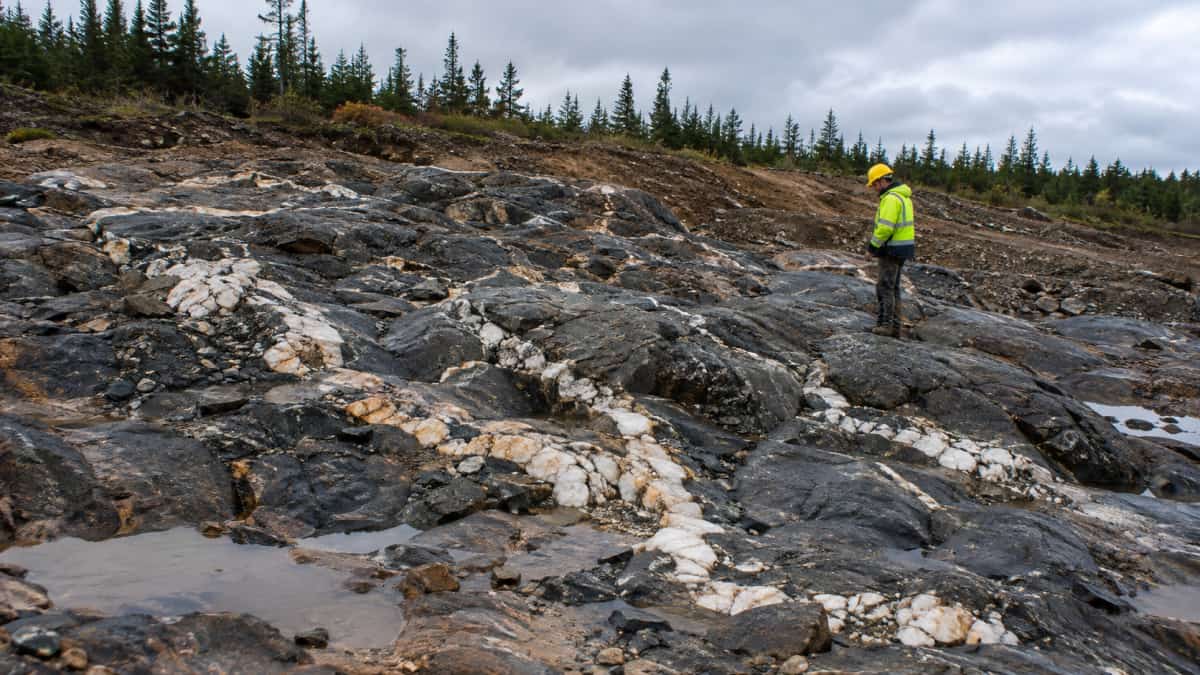
New Found Gold hits 110.47 g/t at Queensway as open-pit limits remain to be defined
Shallow Iceberg drilling is aimed at Queensway’s first mining phase, but grade-control data must still help define the limits of extraction.
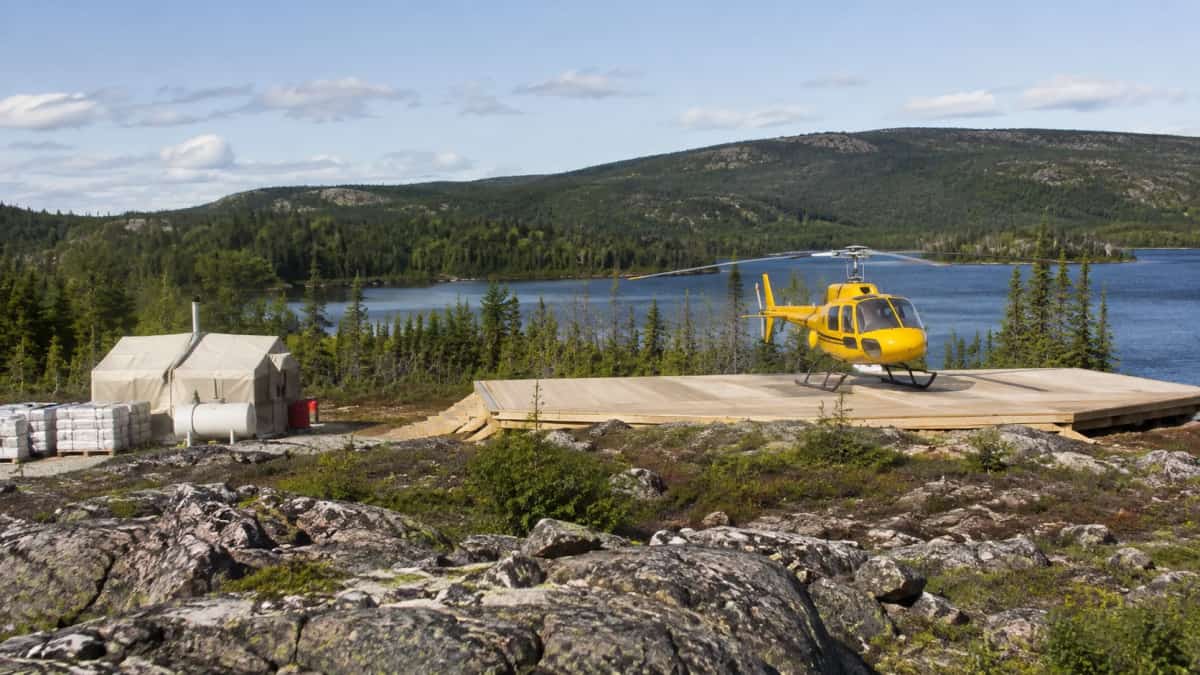
Galloper Gold reports 22.28 metres at 3.14 g/t at Glover Island, but continuity remains untested
Pending assays from Kettle Pond South may show whether the gold-bearing zone extends beyond a single drill section.
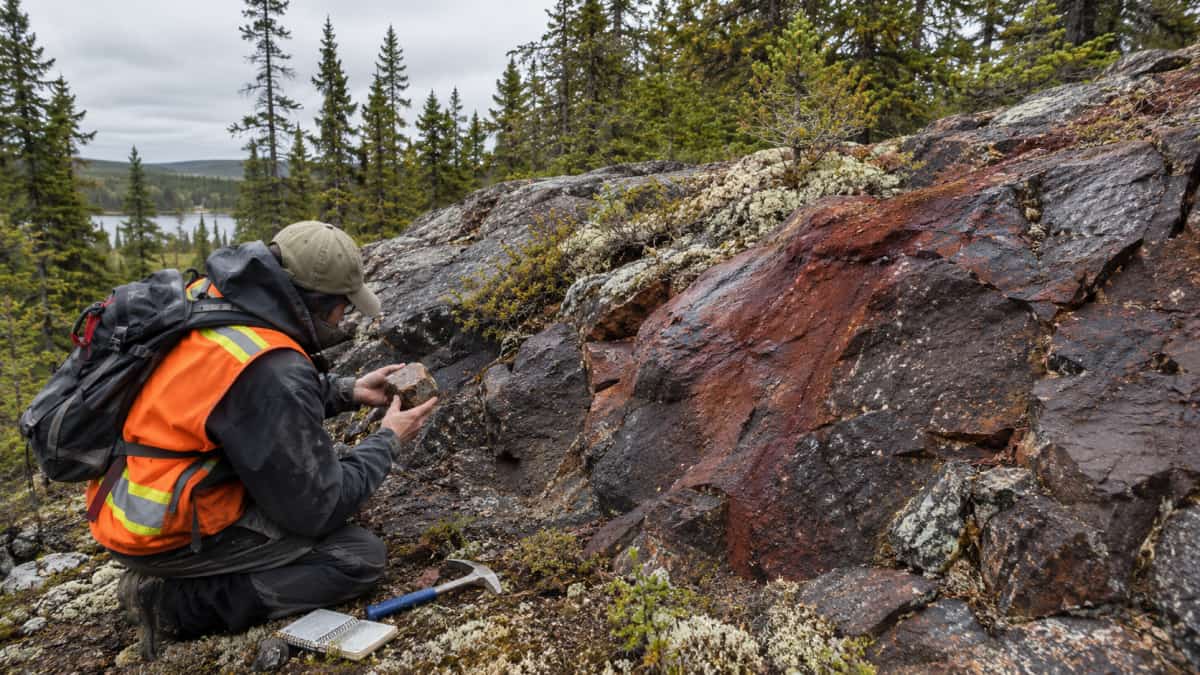
Noble Mineral Exploration finds 52.6% iron in Quebec, but processing is unproven
The surface chemistry may suit steelmaking, but the decisive question is whether processing can turn selected samples into a consistent product.