
Galloper Gold reports 22.28 metres at 3.14 g/t at Glover Island, but continuity remains untested
Pending assays from Kettle Pond South may show whether the gold-bearing zone extends beyond a single drill section.
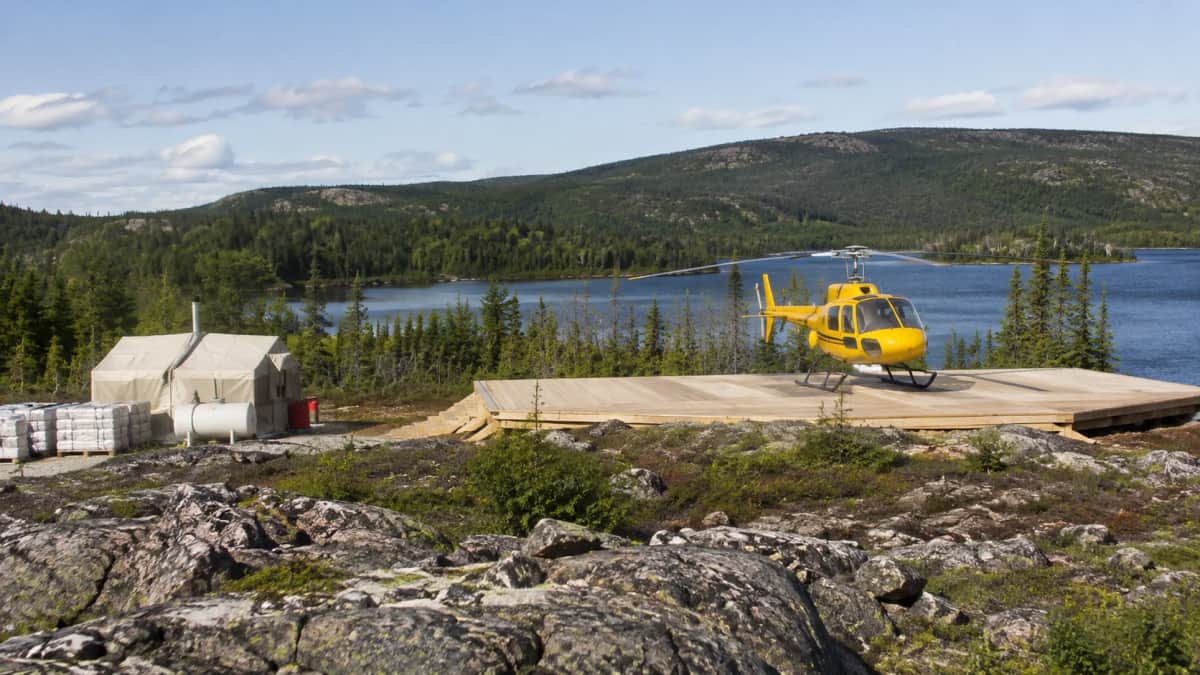
Why it matters: The Kettle Pond South results add a new exploration target to a project that already has defined gold resources at Lunch Pond South Extension.
22.28 metres at 3.14 g/t gold — the main interval in hole KPS-26-002
1.08 metres at 20.30 g/t gold — a higher-grade section within the main interval
1,337 metres across eight holes — the first phase of Galloper Gold’s 2026 drilling
340,000 ounces — indicated and inferred resources at Lunch Pond South Extension
Galloper Gold reported a gold intersection of 22.28 metres at 3.14 g/t in hole KPS-26-002 at the Kettle Pond South target on Glover Island, Newfoundland and Labrador. The interval, measured from 104 to 126.28 metres down the hole, includes 13.83 metres at 4.29 g/t and a 1.08-metre section at 20.30 g/t. These are downhole lengths and do not necessarily represent true widths.
The company released the first results from its 2026 diamond-drilling campaign on November 25. The initial phase, completed in October, comprised eight holes totalling 1,337 metres across Kettle Pond South, Lunch Pond and Lunch Pond South Extension.
KPS-26-002 contains several higher-grade sections
Other reported sub-intervals within the main intersection include 0.75 metres at 9.42 g/t, 1.60 metres at 5.14 g/t and 0.57 metres at 14.43 g/t. These narrower intervals are included within the broader intercept and should not be counted as additional mineralisation.
KPS-26-002 also returned 1.76 metres at 1.33 g/t between 99.70 and 101.46 metres. Galloper said pending assays from earlier samples may extend that interval. Hole KPS-26-003 returned 0.60 metres at 1.88 g/t, while partial results from KPS-26-001 and KPS-26-004 did not report intervals of at least 0.5 g/t.
The main intercept was found in altered felsic tuff with quartz veins and 3% to 5% pyrite. That association can help guide exploration, but the presence of quartz and pyrite alone does not establish economic gold grades. The reported differences between holes also leave the geometry and continuity of the mineralised structures unresolved.
Most assays from the campaign are still pending
At the time of reporting, assays remained outstanding for 100 samples from three Kettle Pond South holes, as well as results from the four holes drilled at Lunch Pond and Lunch Pond South Extension. The first phase included four holes at Kettle Pond South and two at each of the other targets. Those results are expected to help Galloper assess whether the Kettle Pond South mineralisation is confined to local structures or forms part of a larger system.
The company is testing these targets for mineralisation that could add to the resources at Lunch Pond South Extension, the project’s principal defined gold deposit. Its mineral resource estimate, effective April 6, 2026, reports 3.124 million tonnes at 1.20 g/t gold for 121,000 ounces in the Indicated category and 6.692 million tonnes at 1.02 g/t for 219,000 ounces Inferred. The estimate uses a 0.25 g/t gold cut-off within an optimised open-pit shell.
The new Kettle Pond South intercept cannot be directly compared economically with those resources: it comes from a separate target, and the drilling has not established its continuity or true width. The Inferred category also carries less geological confidence than Indicated, and neither category is a mineral reserve.
Galloper’s next steps depend on the pending assays and interpretation of the structures. Further drilling would be needed to test lateral and vertical continuity before the Kettle Pond South results could support an additional resource estimate.
More in Discoveries
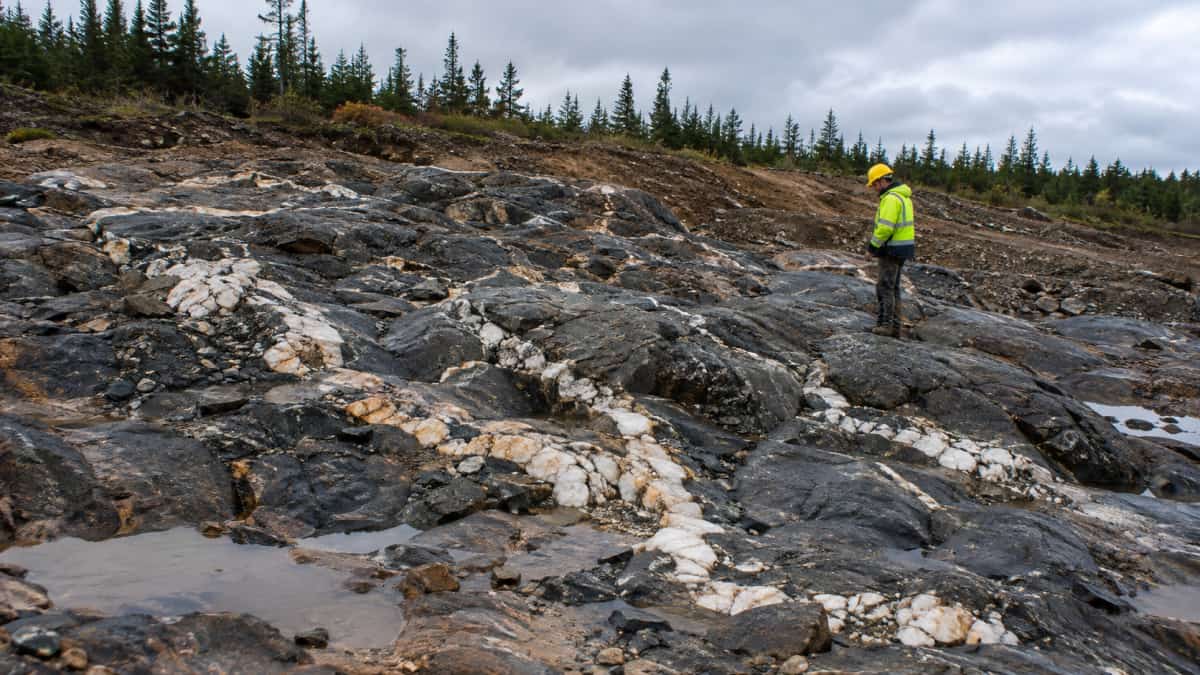
New Found Gold hits 110.47 g/t at Queensway as open-pit limits remain to be defined
Shallow Iceberg drilling is aimed at Queensway’s first mining phase, but grade-control data must still help define the limits of extraction.
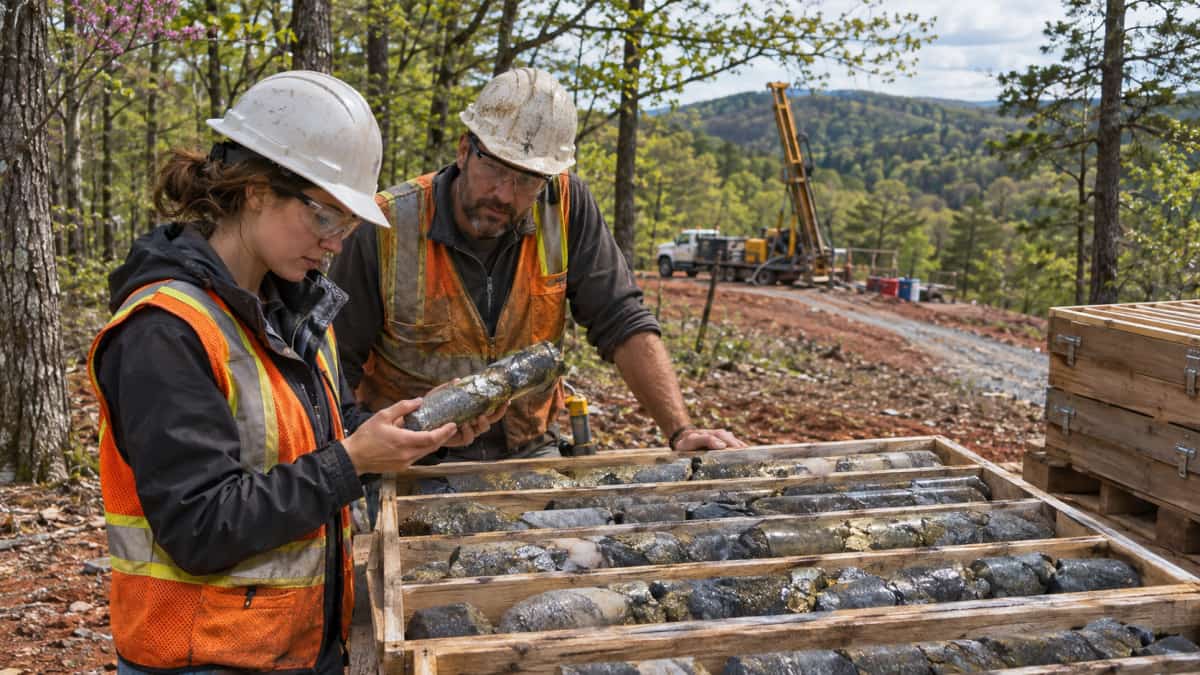
Metalsource’s corrected Silver Hill assays lift grades, but true width is unknown
The revised hole lies south of a lower-grade intersection, while the geometry of Silver Hill’s mineralized structures remains unresolved.
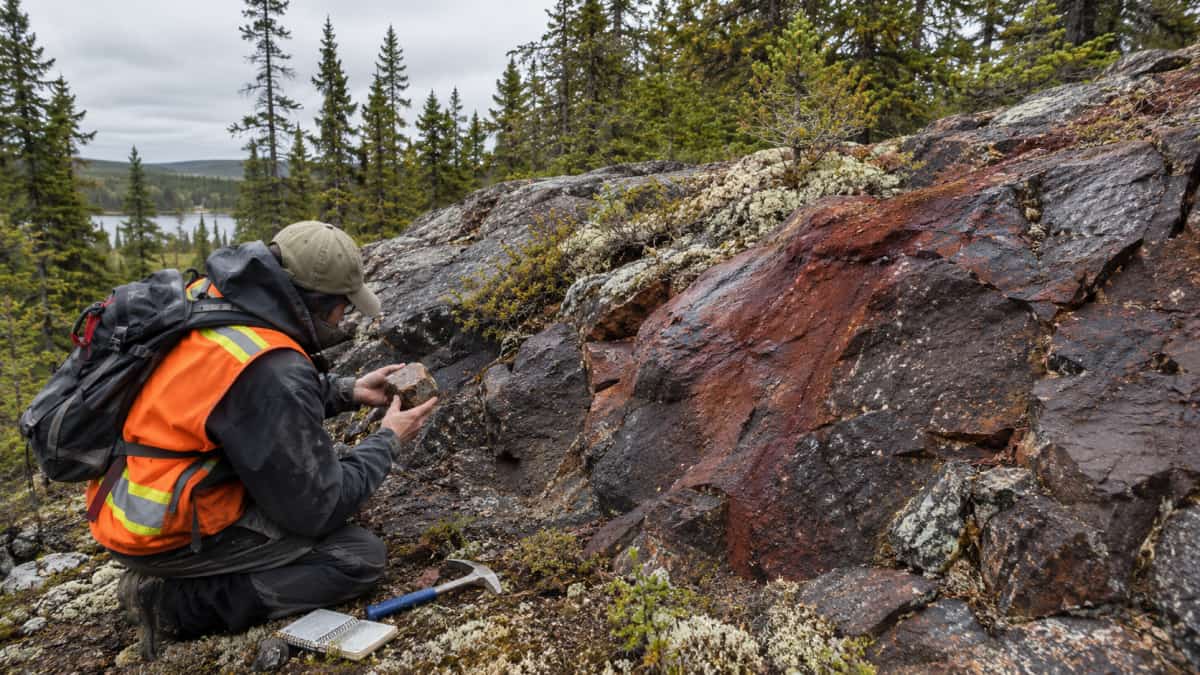
Noble Mineral Exploration finds 52.6% iron in Quebec, but processing is unproven
The surface chemistry may suit steelmaking, but the decisive question is whether processing can turn selected samples into a consistent product.