
Mount Hope tests Mt Solitary gold below RC hits, but continuity is unproven
Earlier RC drilling ended in mineralisation, leaving the shape and link between the deeper gold zones unresolved.
Why it matters: Establishing whether the deeper gold intersections connect could guide follow-up drilling and support a first mineral resource estimate.
5 holes — planned for Mount Hope’s first diamond drilling campaign at Mt Solitary
Up to 2,000 metres — the program’s total planned drilling
6 metres at 6.8 g/t gold — an earlier RC interval from 268 metres, including 4 metres at 9.9 g/t
About 120 metres apart — the two sections where earlier drilling intersected gold at roughly 280 metres below surface
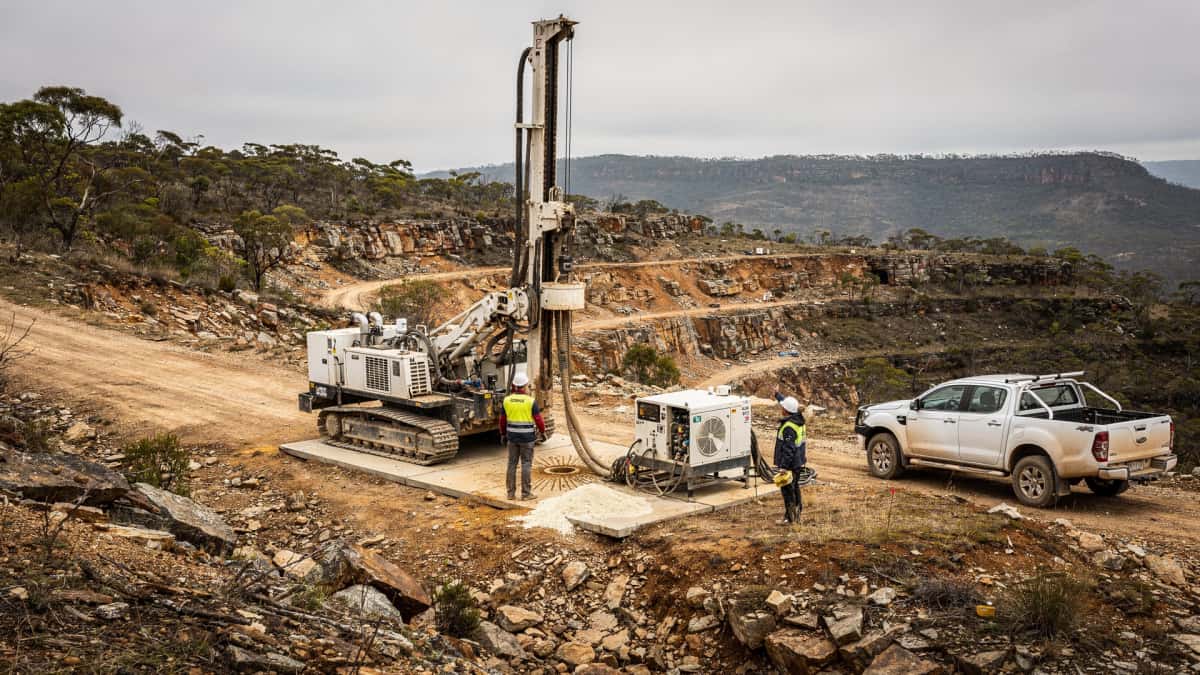
Mount Hope Mining has begun its first diamond drilling campaign at the Mt Solitary gold project in the Cobar Basin of southern Australia, targeting extensions of previously identified mineralisation and testing whether it continues between existing intersections.
The five-hole program will cover up to 2,000 metres. The company is testing an extension of about 200 metres along the dip to the northwest. If drilling supports that projection, the mineralisation could extend vertically for approximately 500 metres; that continuity has not yet been established.
Earlier RC drilling left an open-ended intersection
The new campaign follows reverse-circulation (RC) drilling that found gold in two sections about 120 metres apart, at around 280 metres below surface. One RC hole ended while still within mineralisation, returning 6 metres at 6.8 grams of gold per tonne from 268 metres, including 4 metres at 9.9 g/t.
That interval is an indication of mineralisation, but it does not establish the zone’s full geometry or continuity. Mount Hope managing director and chief executive Fergus Kiley said the company had reached the practical limit of what it could test with an RC rig and had brought a diamond drill to the project.
RC drilling recovers rock chips, while the diamond program will produce continuous core. Mount Hope plans to use oriented core and structural mapping at Mt Solitary Hill to assess the orientation of the gold-bearing zones and how they extend at depth.
Core data will guide follow-up drilling
The structural information is intended to help position subsequent holes, including infill drilling between known intersections. Mount Hope said the results could contribute to preparation of a first mineral resource estimate, but no estimate has been completed. Establishing continuity through the current drilling and structural work is a necessary step before the company can define one.
Geologists will also record fractures and other rock characteristics from the core. The company expects those geotechnical observations to inform future mine planning and the design of a potential open pit. The extent of any further work will depend on what the new holes and core logging show.
More in Discoveries
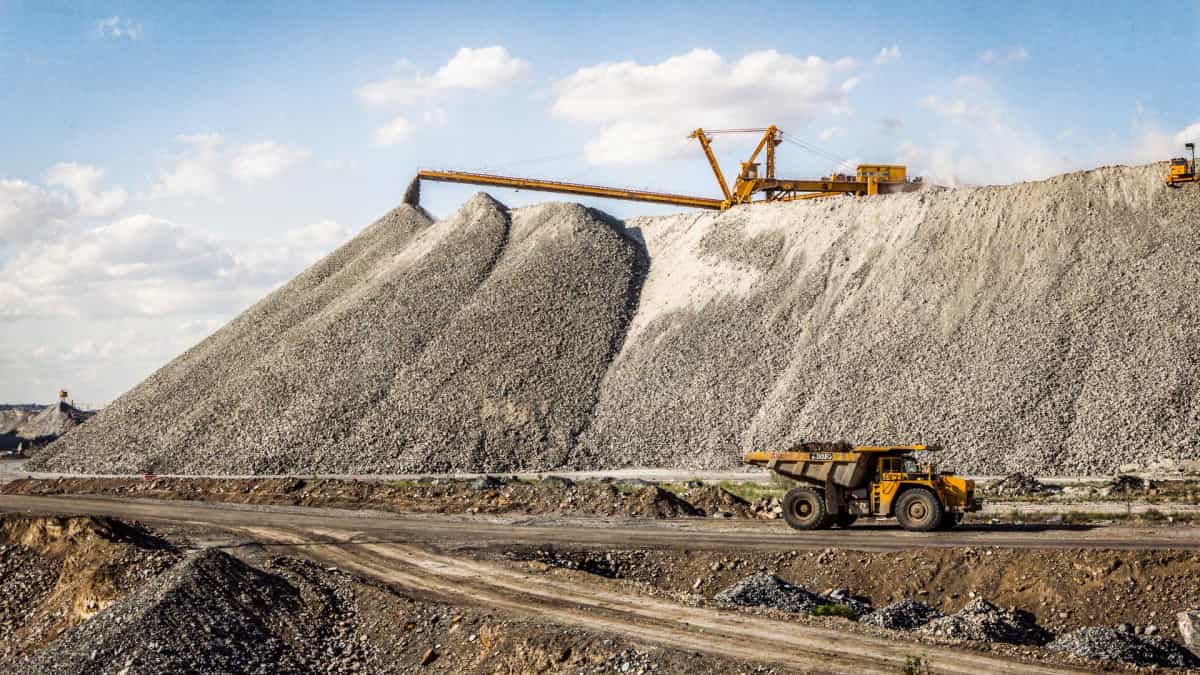
Barkly Rare Earths extends mineralisation, but resource update remains pending
New holes carry the footprint beyond the conceptual target, while assays are still due before the next estimate can be revised.
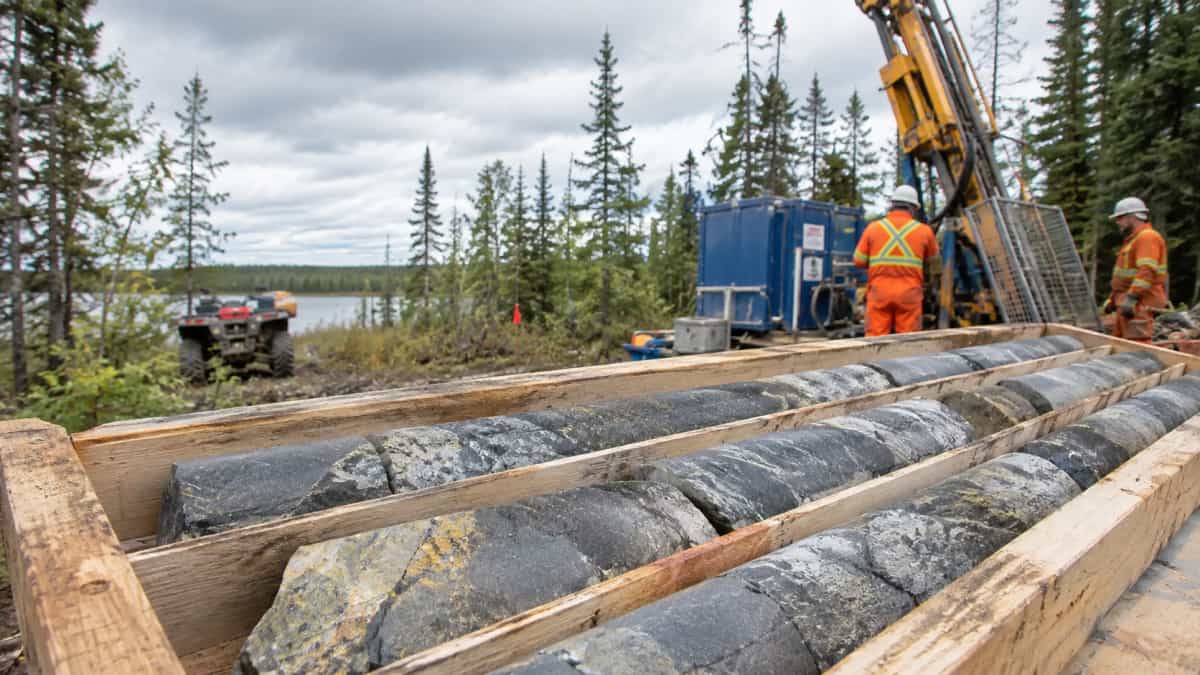
Val-d’Or Mining’s Perestroika drilling adds high-grade gold, but continuity is unproven
A mineralized corridor extends about 1,100 metres, but the latest holes do not establish how its gold-bearing veins connect.
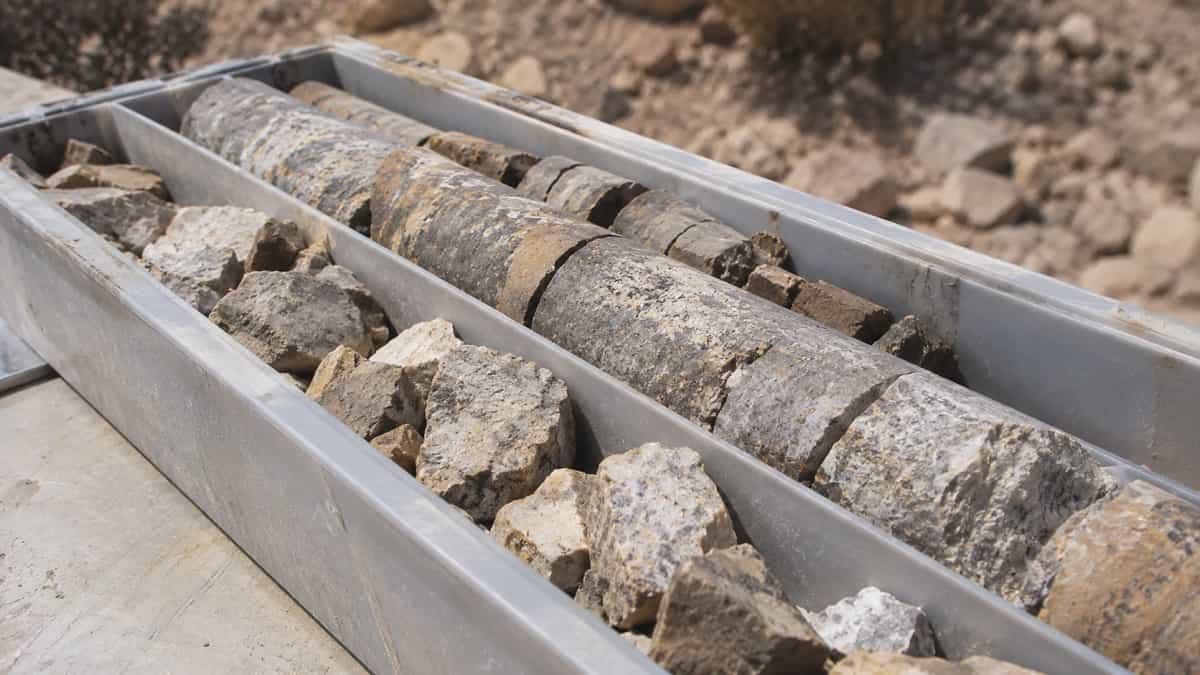
Safi Silver drills deeper silver at Morocco's Addana, but continuity remains unproven
The campaign is also testing Antenna Hill, where visible sulphides have yet to be matched with assay results.