
Barkly Rare Earths extends mineralisation, but resource update remains pending
New holes carry the footprint beyond the conceptual target, while assays are still due before the next estimate can be revised.
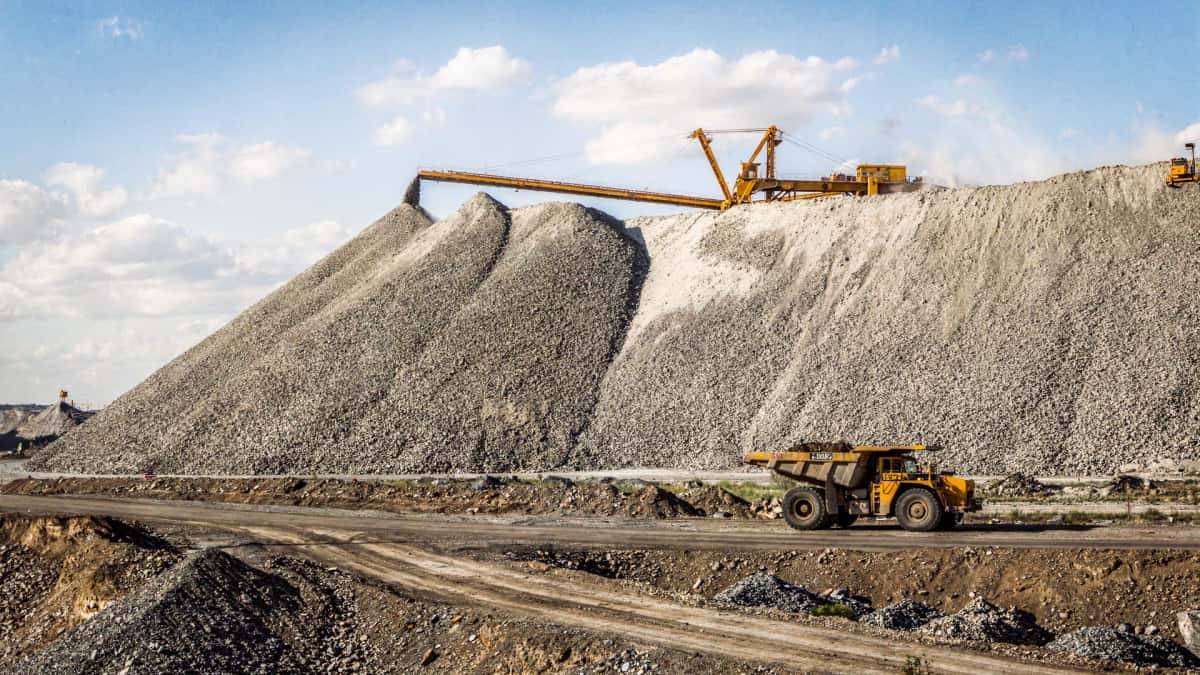
Why it matters: The shallow high-grade assays broaden Barkly’s exploration case, but they do not yet alter its 40-million-tonne inferred resource.
4,537 ppm TREO over 2.5 metres — the project’s highest-grade reported interval to date.
90 of 96 sites — each has returned significant rare earth intersections, according to the company.
40 million tonnes at 2,100 ppm TREO — Barkly’s current inferred resource estimate.
Barkly Rare Earths reported its strongest interval to date at the Barkly project in Australia’s Northern Territory: 2.5 metres at 4,537 parts per million (ppm) total rare earth oxides (TREO) from 17 metres depth. The interval includes 0.5 metres at 18,086 ppm TREO. The company said the campaign has extended known mineralisation as much as 3 kilometres to the northwest and southwest.
The main interval averaged 1,623 ppm magnetic rare earth oxides (MREO), including 6,550 ppm MREO over the 0.5-metre higher-grade section. Barkly said the TREO grade is more than 45% above its previous project record of 3,118 ppm over 1.5 metres. A nearby hole returned 4 metres at 2,969 ppm TREO and 911 ppm MREO from 8.5 metres, including 0.5 metres at 8,359 ppm TREO and 3,101 ppm MREO from 10 metres.
Results extend beyond the conceptual target
The latest assays produced significant intersections at 31 of 36 new sites; both repeat holes also returned results. Across the campaign, 90 of the 96 sites with results have significant rare earth intersections. Drilling results span 24 kilometres, and 50 sites have recorded at least one assay above 2,500 ppm TREO.
In the Intermediate Zone, 14 of 16 new sites returned significant results outside the area covered by the conceptual exploration target. Shallow mineralisation has been intersected from surface to 38 metres downhole. For 31 of 35 new intersections in the company’s comparison, MREO accounted for 29% to 38% of TREO, close to the 34% proportion in the current inferred resource. Barkly also reported consistently low uranium and thorium levels.
Those results have not yet changed the project’s resource base. The current estimate is 40 million tonnes at 2,100 ppm TREO, including 710 ppm MREO. The new assays are to be considered in a resource update that the company plans for the fourth quarter of 2026; until that work is completed, the reported intersections do not revise the estimate.
Remaining drilling is scheduled after the wet season
Phase 1 comprises 10,000 metres of drilling to test extensions around the existing resource and other parts of the project, with about 400 shallow holes planned. At the time of the update, Barkly had completed 129 holes totalling 3,216 metres across 123 sites. Samples from the remaining holes were at the laboratory or being prepared for dispatch and analysis.
Field crews paused work to remove facilities ahead of the wet season, with demobilisation expected the following week. The company expects further assays in February and plans to resume drilling at a faster pace in the second quarter of 2027. After failing to secure a suitable second rig for the current season, Barkly has begun a tender process for two rigs.
The International Energy Agency’s 2026 outlook projects that demand for magnetic rare earths will grow by more than 30% from 2024 to 2030, exceeding 120,000 tonnes under its stated-policies scenario. Barkly’s next resource estimate will depend on incorporating the pending results into that technical work.
More in Discoveries
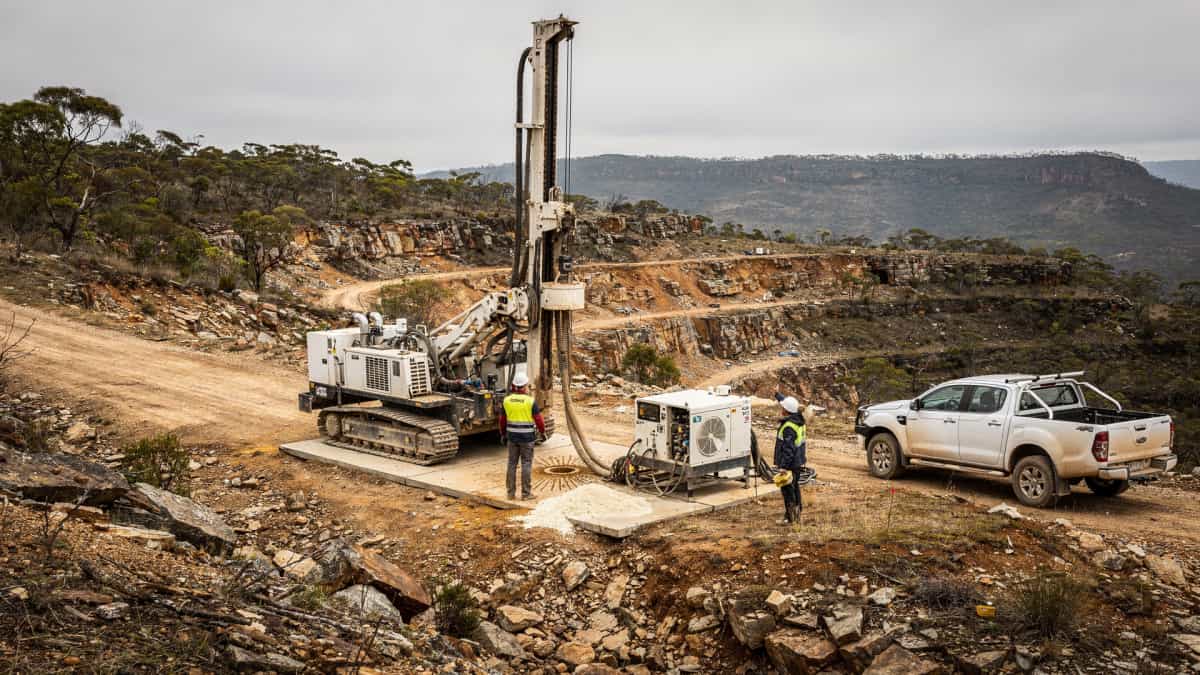
Mount Hope tests Mt Solitary gold below RC hits, but continuity is unproven
Earlier RC drilling ended in mineralisation, leaving the shape and link between the deeper gold zones unresolved.
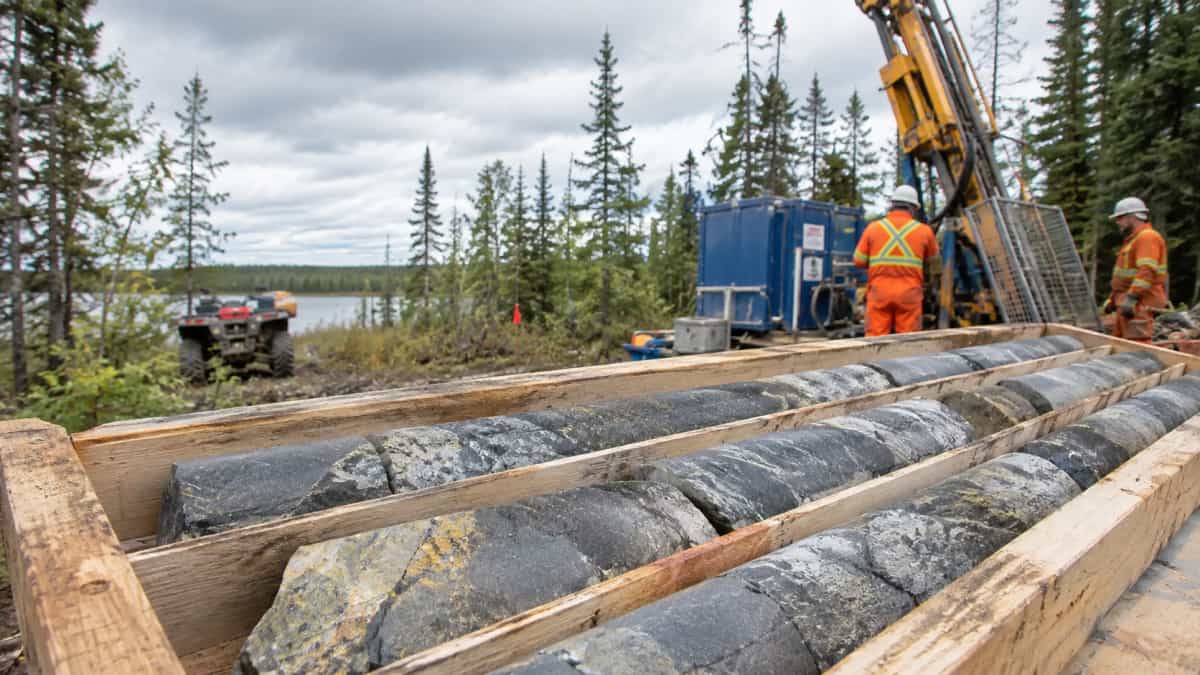
Val-d’Or Mining’s Perestroika drilling adds high-grade gold, but continuity is unproven
A mineralized corridor extends about 1,100 metres, but the latest holes do not establish how its gold-bearing veins connect.
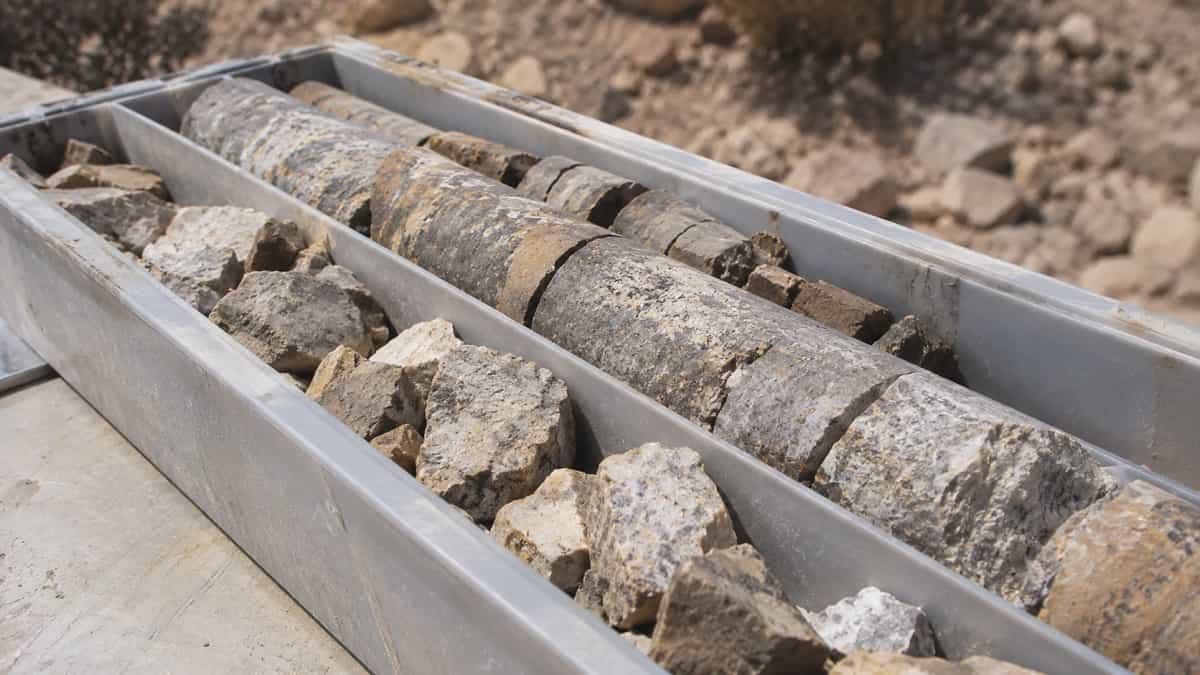
Safi Silver drills deeper silver at Morocco's Addana, but continuity remains unproven
The campaign is also testing Antenna Hill, where visible sulphides have yet to be matched with assay results.