
Iltani drilling extends Orient silver system beyond resource, but continuity remains untested
ORR230 sits beyond Orient East’s resource boundary, while a largely untested corridor leaves the connection between mineralised areas unresolved.
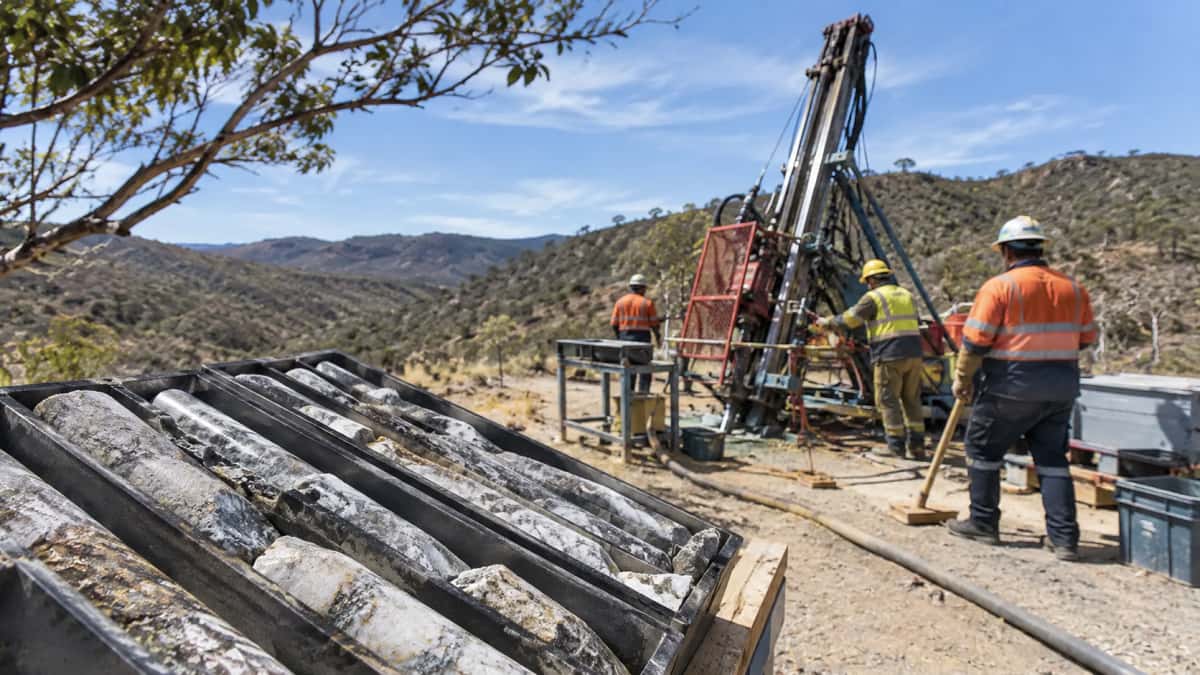
Why it matters: Results outside Orient’s existing resource could affect the project’s scale, but their contribution depends on continuity and the next resource estimate.
11 metres at 274 g/t silver equivalent — ORR230 at Orient North, including 4 metres at 633 g/t.
62.5 million tonnes — Orient’s current JORC mineral resource at 81.5 g/t silver equivalent.
2,500 metres — planned across 10 reverse-circulation holes in the next campaign.
Iltani Resources reported new drilling at its Orient silver-zinc-indium project in Queensland, Australia, including mineralisation in Orient North about 450 metres north of the Orient East resource. Hole ORR230 intersected 11 metres at 274 g/t silver equivalent from 81 metres, including 4 metres at 633 g/t from 86 metres. The company said the hole cut multiple mineralised structures totalling more than 70 metres.
The results are from the final 21 holes of a 110-hole reverse-circulation campaign targeting resource extensions, improved geological confidence and other growth areas. The reported lengths are downhole measurements, not necessarily true widths. The cumulative 70 metres comprises separate mineralised intervals and should not be read as one continuous body.
Orient North results sit outside the current resource
ORR230 was also about 950 metres northeast of Orient West. Its position beyond the existing resource boundary makes the result relevant to Iltani’s planned resource update, but further drilling and geological interpretation will be needed to establish the extent and continuity of mineralisation.
At the northeast extension of Orient West, ORR213 returned 45 metres at 36 g/t silver equivalent from 91 metres. Another hole, ORR232, intersected mineralisation about 900 metres beyond the defined Orient West resource. Much of the corridor between these areas remains undrilled, leaving open whether the mineralised zones connect.
At Vein 1, ORR242 intersected 14 metres at 197 g/t silver equivalent from 233 metres, including 3 metres at 470 g/t. Iltani described it as the widest interval recorded to date on the structure, where 13 intersections have been identified over at least 750 metres. Mineralisation remains open laterally and at depth; the company said further work is planned to investigate those extensions.
Resource update will test the scale of the extensions
Orient’s current JORC resource totals 62.5 million tonnes at 81.5 g/t silver equivalent, comprising 38.8 million tonnes of Indicated and 23.7 million tonnes of Inferred resources. It contains 45.9 million ounces of silver, 725 tonnes of indium, 421,000 tonnes of zinc and 341,000 tonnes of lead, using a 30 g/t silver-equivalent cut-off.
A higher-grade subset totals 34.2 million tonnes at 110 g/t silver equivalent, using a 60 g/t cut-off. It is included within the total resource, not additional to it. Iltani is preparing an updated estimate for the fourth quarter of 2026; that estimate will quantify whether the new extensions add material to the existing inventory.
Silver-equivalent grades include estimated contributions from other metals, particularly zinc, lead and indium, and do not represent silver grade alone. The project’s indium potential is an additional consideration, but the company’s conceptual production range of 40–50 tonnes a year in zinc concentrates remains subject to engineering and metallurgical assessment.
Follow-up drilling precedes planned 2027 study work
Iltani has begun mobilising for a further 2,500 metres of reverse-circulation drilling across 10 holes. Work is focused mainly on Link Zone, between Orient West and Orient East, as well as shallow extensions at Orient East and deeper areas of Vein 1. The company said the campaign is intended to gather information before the north Queensland wet season.
Iltani plans economic assessment work during 2027, following conceptual studies to examine processing options, mining methods, concentrate production, infrastructure and costs. The project would require further technical studies and regulatory and environmental approvals before any development decision. The next resource estimate is the immediate test of how much the 2026 drilling contributes to Orient’s defined inventory.
More in Discoveries
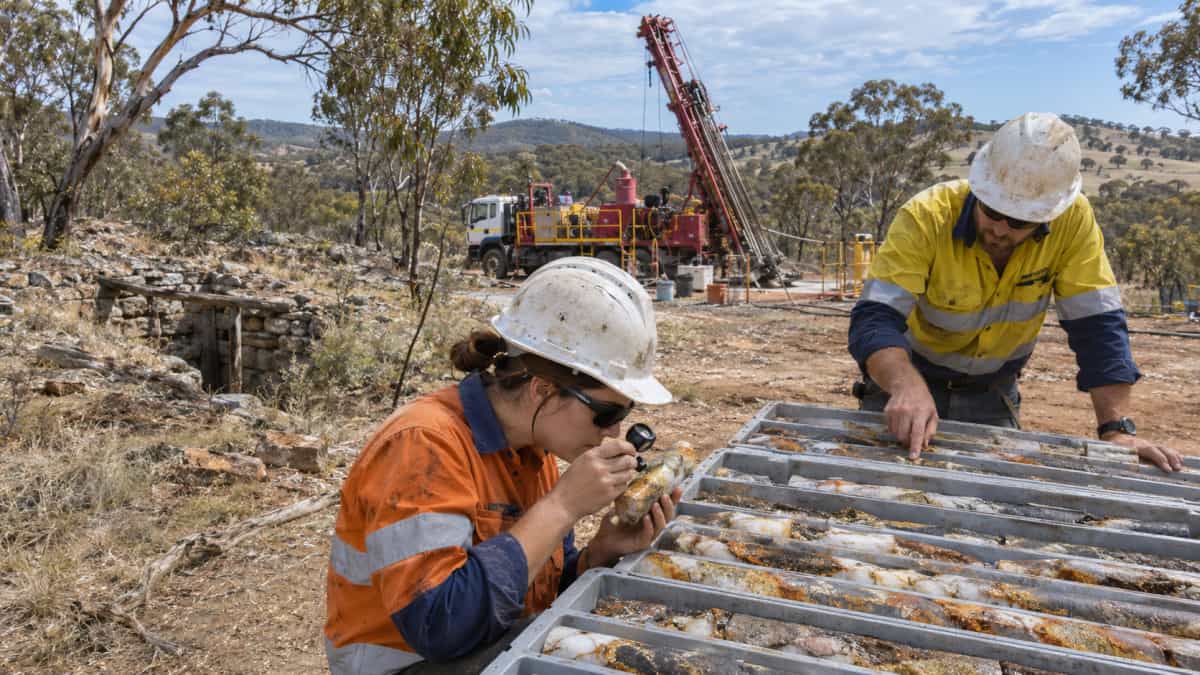
Argent Minerals finds gold beyond Trunkey Creek workings, but continuity is unproven
The first campaign has tested only the northern end of a 4.7-kilometre target, leaving the vein’s deeper geometry unresolved.
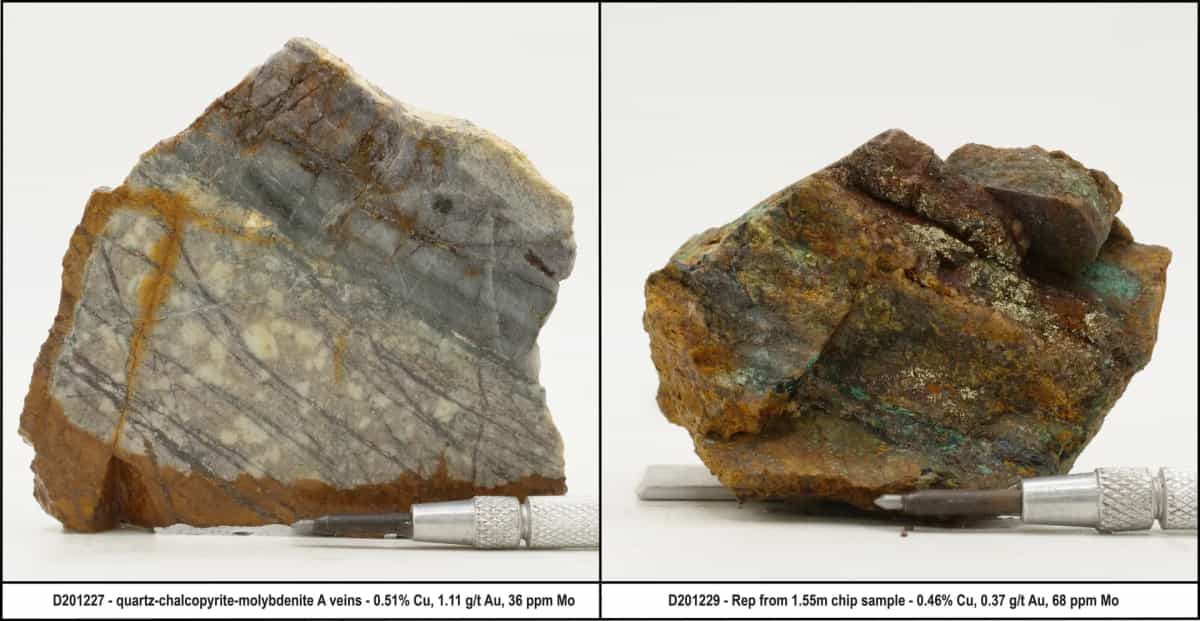
Brixton extends Catalyst at Thorn, while Sentinel’s porphyry footprint remains uncertain
Catalyst step-outs and a first test at a target 37 km from Camp Creek put two different exploration stages in the same campaign.
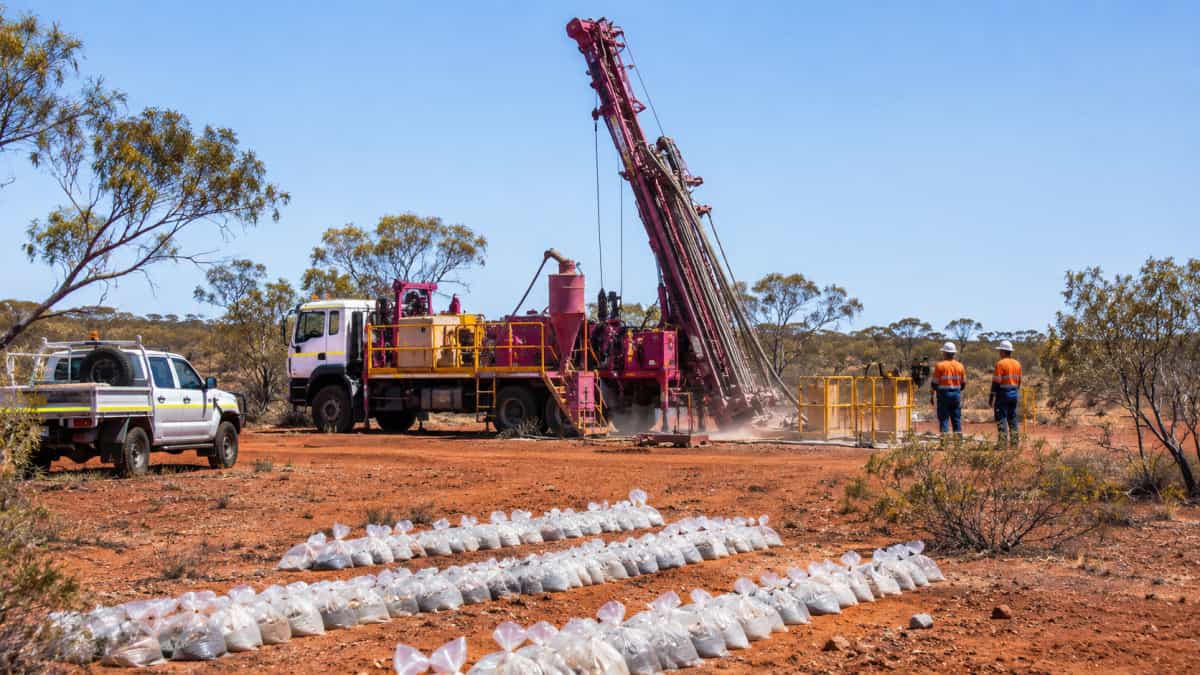
Golden Dragon finds high-grade fresh-rock gold at Coodardy, but geometry remains unclear
The northernmost hole supports a northeast-trending structure, while earlier deep hits have yet to be linked into a continuous zone.