
US commission puts Argentina’s lithium and copper supply chains under scrutiny
Chinese investment links brine production to Asian battery supply chains, but project ownership and commercial arrangements vary.
Why it matters: The competition over Argentina’s mineral resources extends to processing, logistics and the commercial links that connect mines with end users.
The US-China Economic and Security Review Commission included an analysis of Beijing’s influence over strategic-mineral supply chains in its 2026 annual report to Congress, with Argentina among the countries in focus. The review considers how investment, trade agreements and participation in processing can shape access to commodities, including lithium and copper.
Lithium connects brine projects to battery supply chains
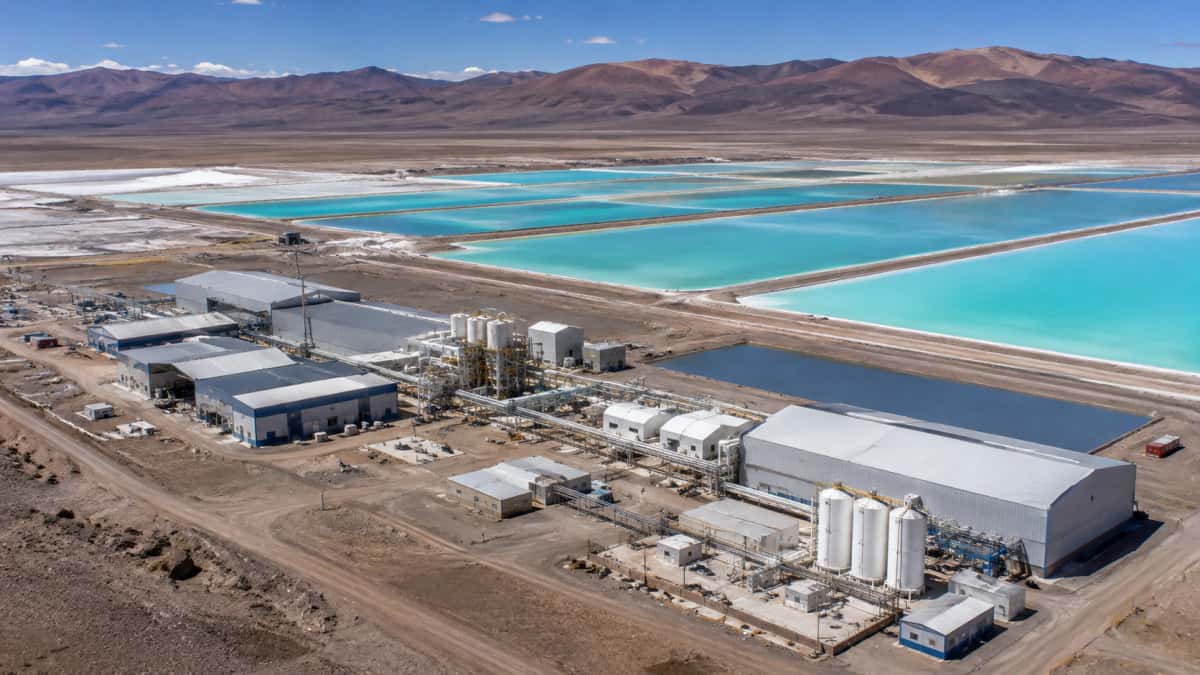
Argentina’s lithium industry has expanded through investment in continental brine projects, particularly in the country’s northwestern provinces. Chinese companies participate in several initiatives, creating links between local raw-material production and Asian industries that manufacture batteries.
China also has a substantial role in the international processing of minerals used in energy technologies. The commission’s analysis frames that concentration as a potential supply-chain dependence for the United States. But investment by Chinese companies does not, by itself, establish control over Argentina’s mineral resources or the full chain from extraction to final products.
Projects have different ownership structures, commercial agreements and development stages. Those distinctions matter when assessing how much influence any investor or trading partner may have over production, processing or sales. The material available on the projects does not identify specific ownership shares or quantify China’s position across Argentina’s lithium sector.
Copper adds a prospective supply question
Copper is gaining strategic relevance as electricity networks, electric vehicles and digital infrastructure require the metal. Argentina has large-scale copper projects that could add to international supply, but their development depends on financing, permits, infrastructure and economic conditions.
International investment can help advance projects that require substantial capital before production begins. The US review treats that investment as part of a broader competition to secure strategic-mineral supplies. It does not mean that future Argentine copper output, or the buyers and processors of that output, is already determined.
Regional competition reaches beyond extraction
The report’s supply-chain focus extends beyond who owns a deposit. Processing capacity, component manufacturing, logistics and price-setting mechanisms can also shape the flow of minerals to end markets. China has developed industrial capacity across many of these stages, while the United States is seeking more supply options and ways to reduce selected external dependencies.
Chile provides a regional comparison: it is an established copper and lithium producer, while Argentina is seeking to expand its production base. Both countries face challenges involving infrastructure, water availability, processing and access to capital. Greater regional output could alter investment and supply patterns, while diversified commercial partners could give governments more options.
For Argentina and Chile, the extent to which mineral potential translates into broader economic benefits will depend in part on infrastructure, local suppliers and the development of processing capacity. The projects’ individual financing, permitting and commercial arrangements remain decisive factors in whether proposed production advances.
More in Critical Minerals
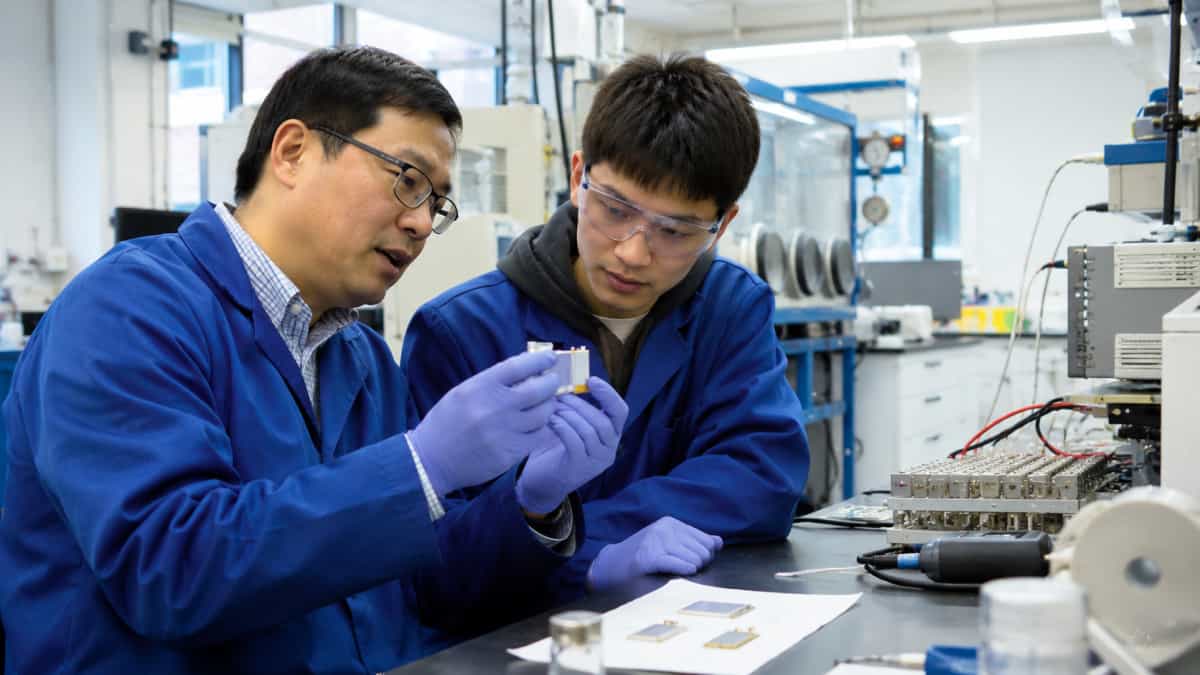
InfinitEnergy secures US$250,000 to develop solid-state cells without pressure systems
Solid electrolytes can lose contact with electrodes as cells cycle, leaving the company to prove its design can avoid added mechanical support.

China’s 94% rare-earth magnet share exposes a US military supply risk
An audit traced critical minerals to thousands of components across US weapons systems as Washington works to rebuild processing capacity at home.
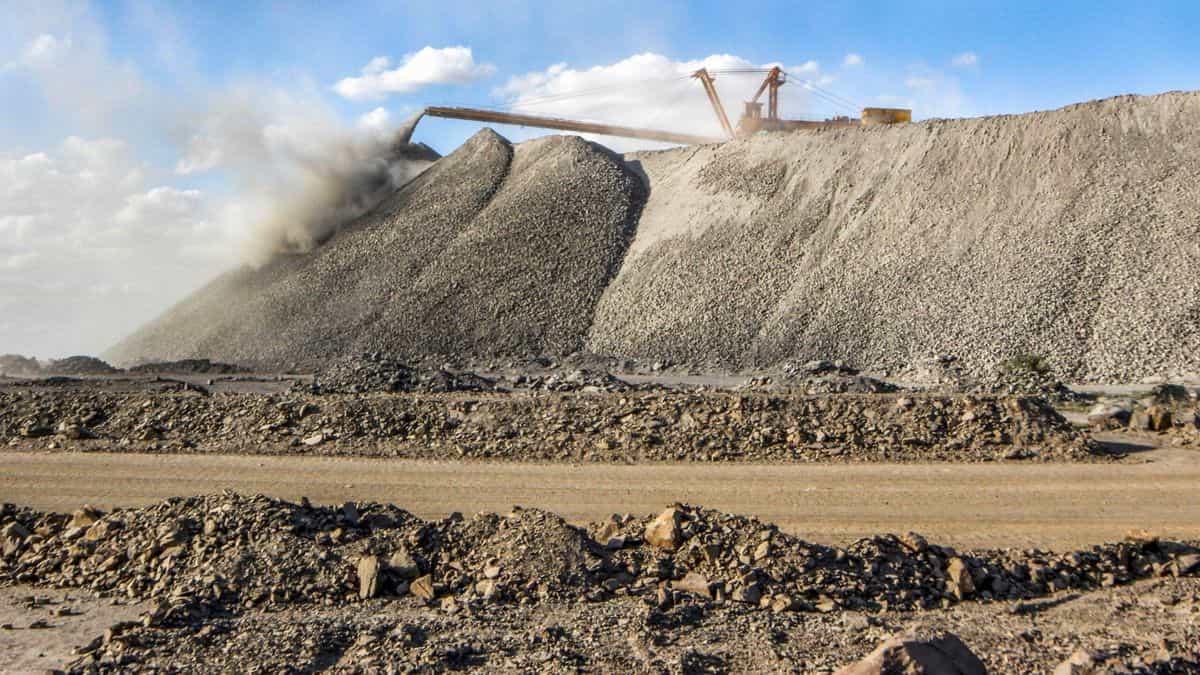
Argentina targets Río Turbio coal waste for rare earths, but recovery remains unproven
SEGEMAR will assess waste rock, sludge and ash at the Patagonian operation, broadening Argentina’s search beyond conventional deposits.