
China’s 94% rare-earth magnet share exposes a US military supply risk
An audit traced critical minerals to thousands of components across US weapons systems as Washington works to rebuild processing capacity at home.
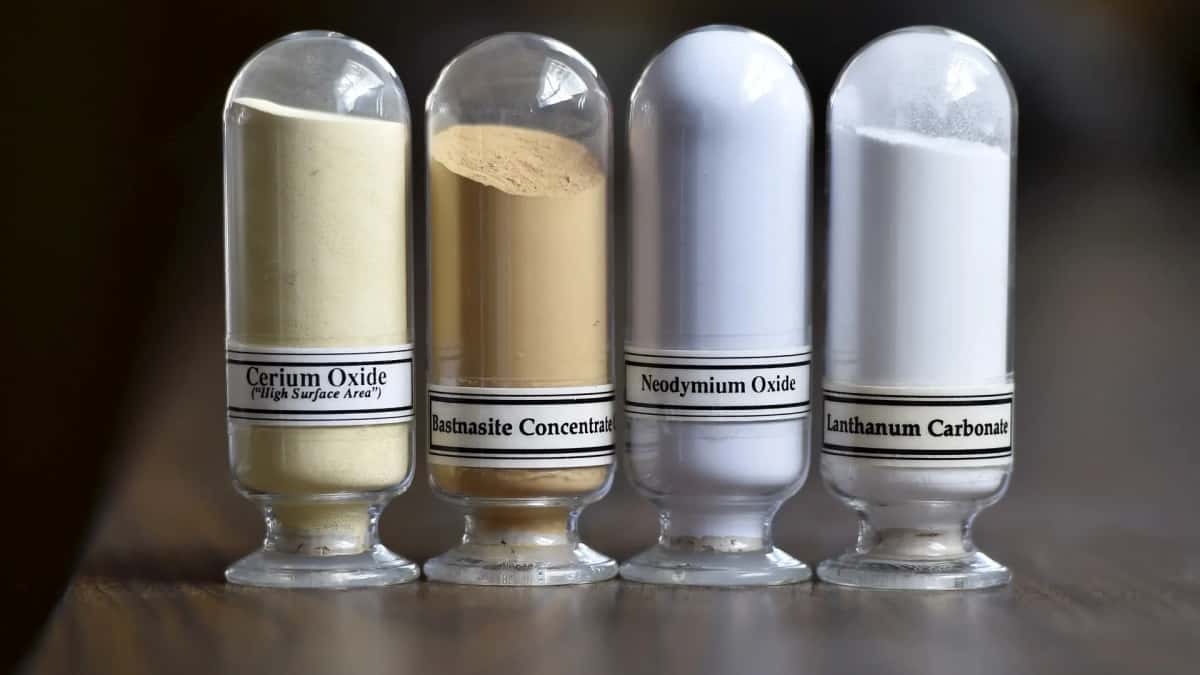
youngpostclub.com
Why it matters: China’s lead spans the processing and manufacturing steps that turn mineral deposits into materials specified for military and industrial use.
94% — China’s share of global sintered permanent rare-earth magnet production in 2024.
More than 28,000 — components identified in a study as containing at least one of four strategic elements.
About 1,400 — military systems associated with those components.
US$550 million — combined preferred-equity investment and financing commitment in MP Materials’ 2025 agreement with the US Department of Defense.
China produced 94% of the world’s sintered permanent rare-earth magnets in 2024, while a separate supply-chain study identified more than 28,000 components across US military systems containing strategic minerals. The findings highlight a vulnerability for platforms including the F-35 fighter, B-2 Spirit bomber and Virginia-class submarine, but do not establish that every flagged component is sourced from China.
The research by Exiger and the Special Competitive Studies Project (SCSP) examined a database of about nine million parts linked to roughly 3,000 military systems. It found components containing at least one of four elements: gallium, germanium, antimony or tungsten. The study identified exposure across about 1,400 systems; it did not report a general shutdown in production.
China’s advantage extends beyond mining
International Energy Agency figures show China accounted in 2024 for about 60% of mining for rare earths used in magnets, 91% of refined production and 94% of sintered permanent magnet manufacturing. Its position is supported by an industrial chain that runs from mining through chemical separation and refining to specialised products.
That distinction matters for countries with their own deposits. Geological resources alone do not provide the processing technology, infrastructure or product specifications required by aerospace, electronics and defence manufacturers. The four elements in the Exiger-SCSP analysis are not chemically rare earths, but they are also considered critical to strategic supply chains.
China introduced export controls in April 2025 on seven rare-earth elements, as well as certain compounds and permanent magnets. The measures underscored how concentrated processing can give Beijing influence over international supply, while demand for these materials also extends to electric vehicles, wind turbines, electronics and industrial machinery.
US funding targets domestic processing capacity
The US is backing projects intended to rebuild parts of its domestic supply chain. In July 2025, MP Materials announced an agreement with the Department of Defense that included US$400 million in preferred equity and a US$150 million financing commitment to expand heavy rare-earth separation.
According to filings with the US Securities and Exchange Commission, the agreement also included price guarantees and a 10-year commitment to purchase magnets. The terms are designed to support investment in facilities competing with established Chinese producers, but new industrial capacity does not remove existing supply-chain exposure immediately.
Chile seeks a role beyond extraction
Chile is among the countries looking to develop alternative sources. In the Biobío Region, Aclara Resources and Grupo CAP are advancing a rare-earth project based on ion-adsorption clay deposits. Development of a demonstration plant at Huachipato is also part of efforts to establish processing capability in the country.
Whether Chile can contribute to diversified supply will depend not only on its mineral potential but on developing the processes needed to produce materials for downstream customers. The Exiger-SCSP findings identify potential supply risks; they do not show that all the components examined originate in China or that their manufacture has been interrupted.
More in Critical Minerals
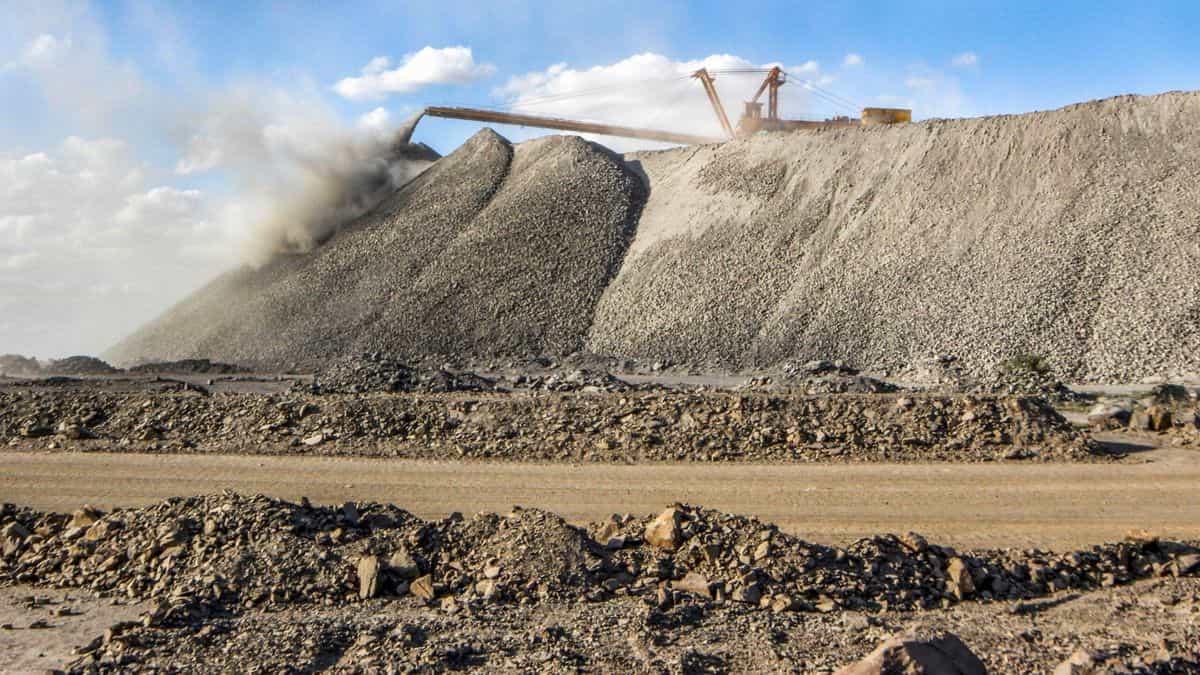
Argentina targets Río Turbio coal waste for rare earths, but recovery remains unproven
SEGEMAR will assess waste rock, sludge and ash at the Patagonian operation, broadening Argentina’s search beyond conventional deposits.
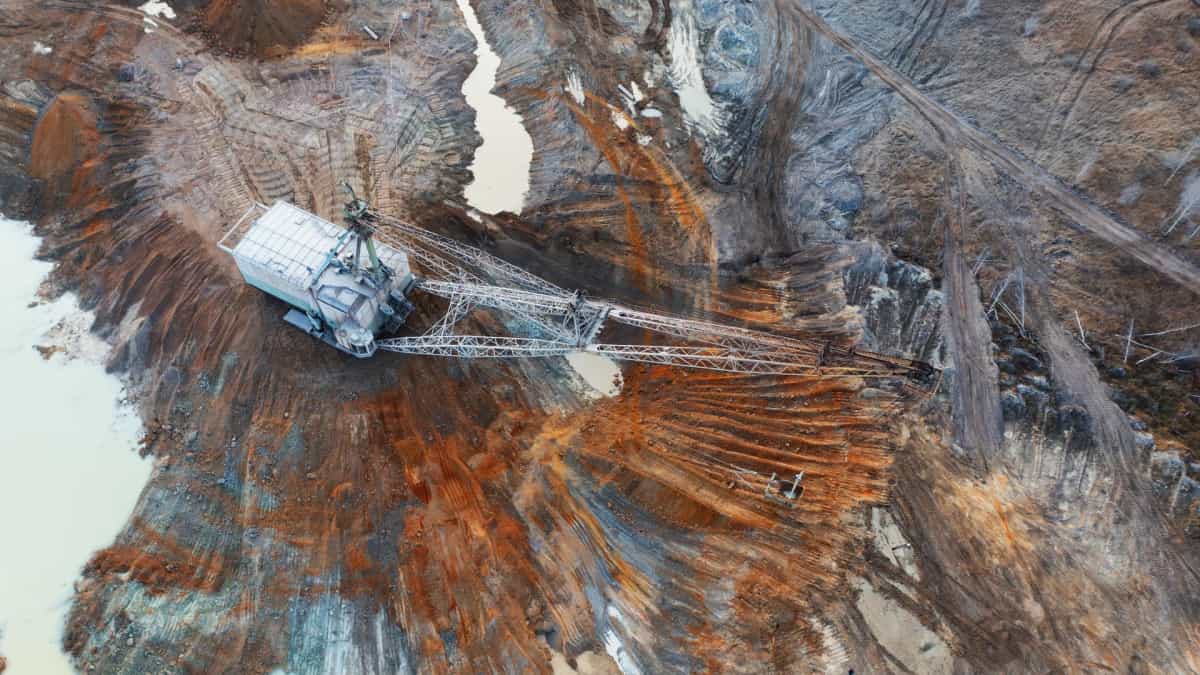
France plans rare-earth reserves as China’s magnet-processing dominance tests supply security
French officials have outlined stockpiling and purchasing tools, but the plan’s scale and the suppliers it could draw in remain unsettled.
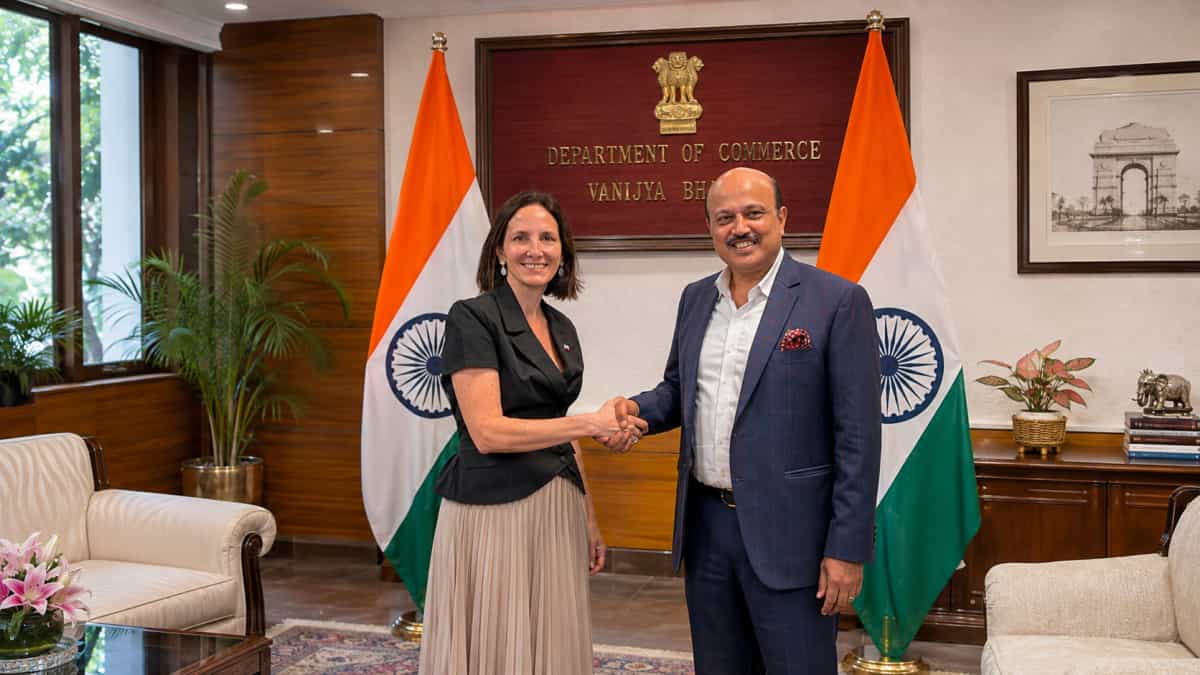
Chile-India trade pact nears finish as mineral access tests mining policy
India’s next tariff offer is due in coming weeks, but the pact’s critical-minerals chapter still has to accommodate competing priorities.