
Red Mountain maps Oaky Creek antimony, but 2027 drill targets remain unresolved
Initial RC holes found antimony, but the structural controls that should guide deeper tests still need to be interpreted.
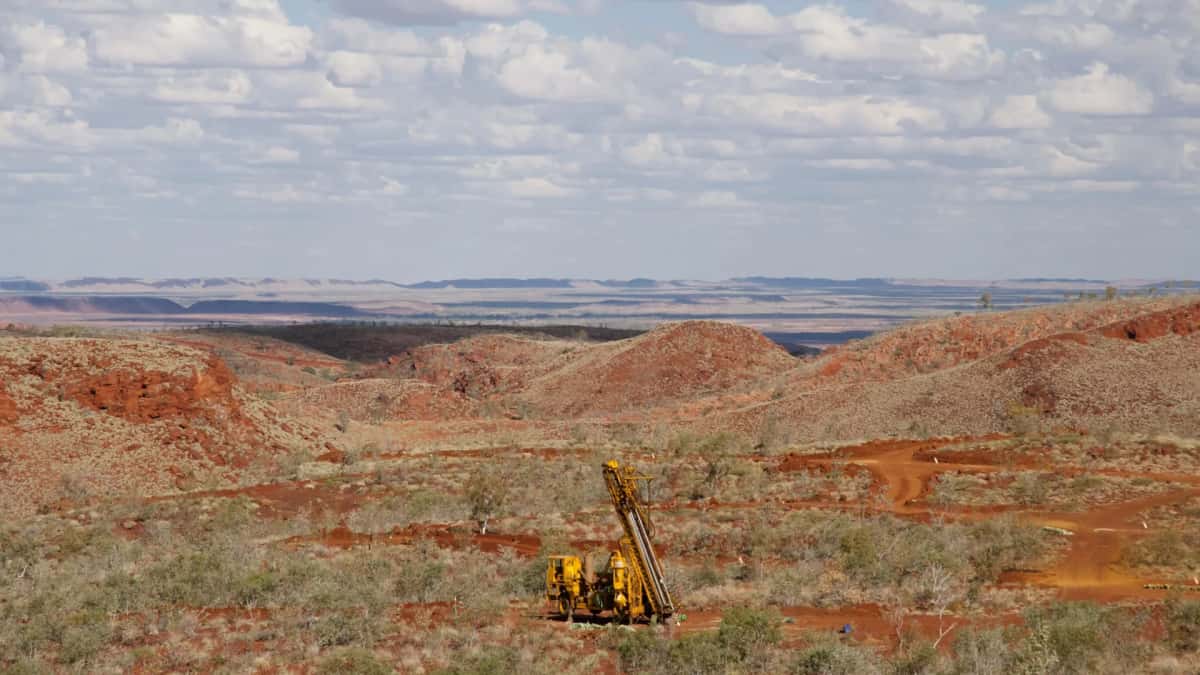
redmountainmining.com.au
Why it matters: The survey is intended to help Red Mountain decide where to test an antimony system that remains open at depth, without confirming mineralization on its own.
25 metres — planned spacing between survey lines, compared with 250 metres in the earlier regional survey.
5 metres at 5.2% antimony — reported RC intersection from 86 metres.
75 metres — approximate vertical depth reached by the identified mineralization, which remains open below.
Red Mountain Mining has started a drone-based magnetic survey at Oaky Creek, part of its Armidale project in New South Wales, to refine structural targets before a drilling campaign planned for early 2027. The survey will cover Oaky Creek South Main Grid, where initial reverse-circulation (RC) drilling intersected antimony mineralization but did not establish its continuity at depth.
The new survey will fly at about 25 metres above ground, with lines spaced 25 metres apart. Red Mountain’s earlier regional survey used 250-metre line spacing and a flight height of 60 metres. The closer spacing is intended to provide more detailed information on faults, shear zones and other structures that could be associated with mineralization.
Oaky Creek survey aims to refine structural interpretation
A geophysical consultant and Red Mountain geologists will interpret the data. The company expects to receive the results in early December; it has not specified the year for that delivery. The magnetic survey is a targeting tool, not a test for mineralization, so any prospective structures will need to be assessed through subsequent exploration.
Initial RC drilling tested a soil anomaly measuring 300 metres by 30 metres with antimony and arsenic. Red Mountain reported intersections of up to 5 metres at 5.2% antimony from 86 metres. On November 16, 2026, the company also specified a 1-metre interval grading 18.98% antimony from 87 metres, within 3 metres at 8.40%. The supplied results do not state the true widths of these intervals.
Mineralization remains open below the initial drilling
The company says antimony mineralization has been identified to about 75 metres of vertical depth and remains open downwards. That indicates the drilling has not defined its lower extent; it does not establish that grades will persist at greater depths. Red Mountain also described gold as limited and said the combination of antimony grades and low gold content could be consistent with a possible upper zone enriched in antimony.
The company has compared Oaky Creek’s geology with Larvotto Resources’ Hillgrove project, also in the region. Hillgrove has been described as a structurally controlled system of antimony-rich veins ranging from millimetres to several metres thick. The comparison is geological and does not establish equivalent continuity, scale or potential at Oaky Creek.
Four additional targets are also under consideration
Oaky Creek lies in the Southern New England Orogen, which Red Mountain describes as Australia’s main antimony region. The company expects the magnetic data to inform plans for deeper drilling at South Main Grid and for testing four other known targets that have not been fully assessed by drilling.
The early-2027 program remains dependent on interpretation of the survey and selection of drill locations. The extent of mineralization below the depth tested so far, and the prospectivity of the additional targets, will require further drilling.
More in Critical Minerals
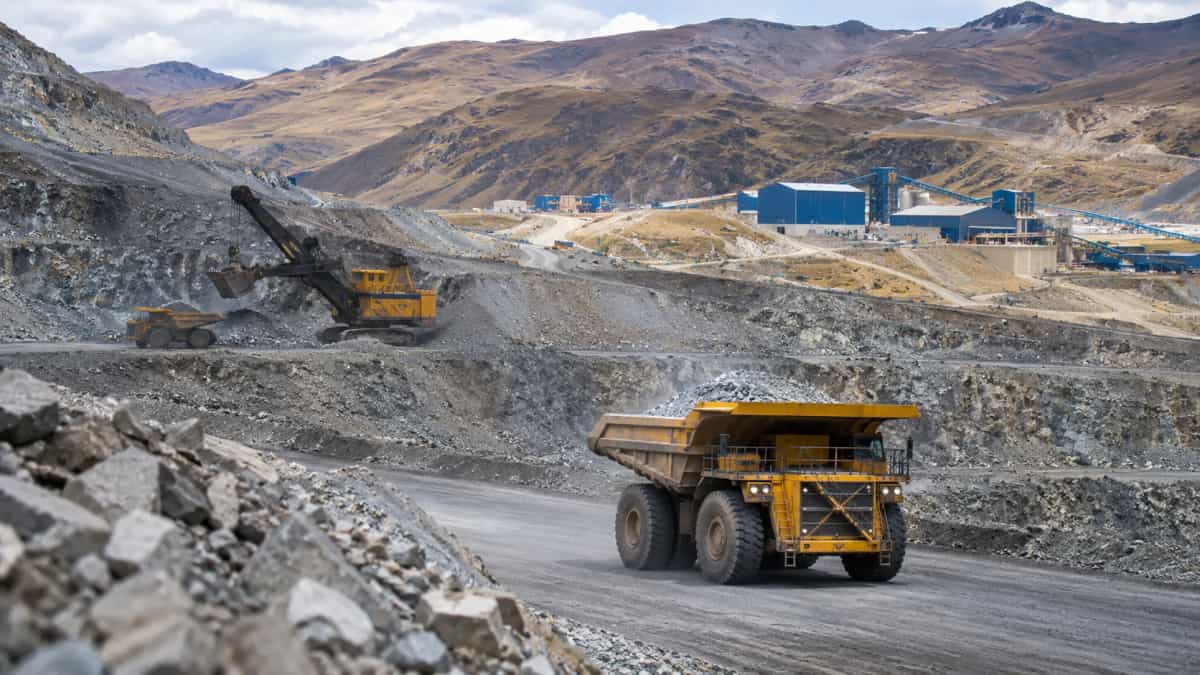
Latin America’s critical-minerals race puts processing capacity in play
Washington is expanding cooperation with regional producers as Chinese companies retain stakes in key projects.
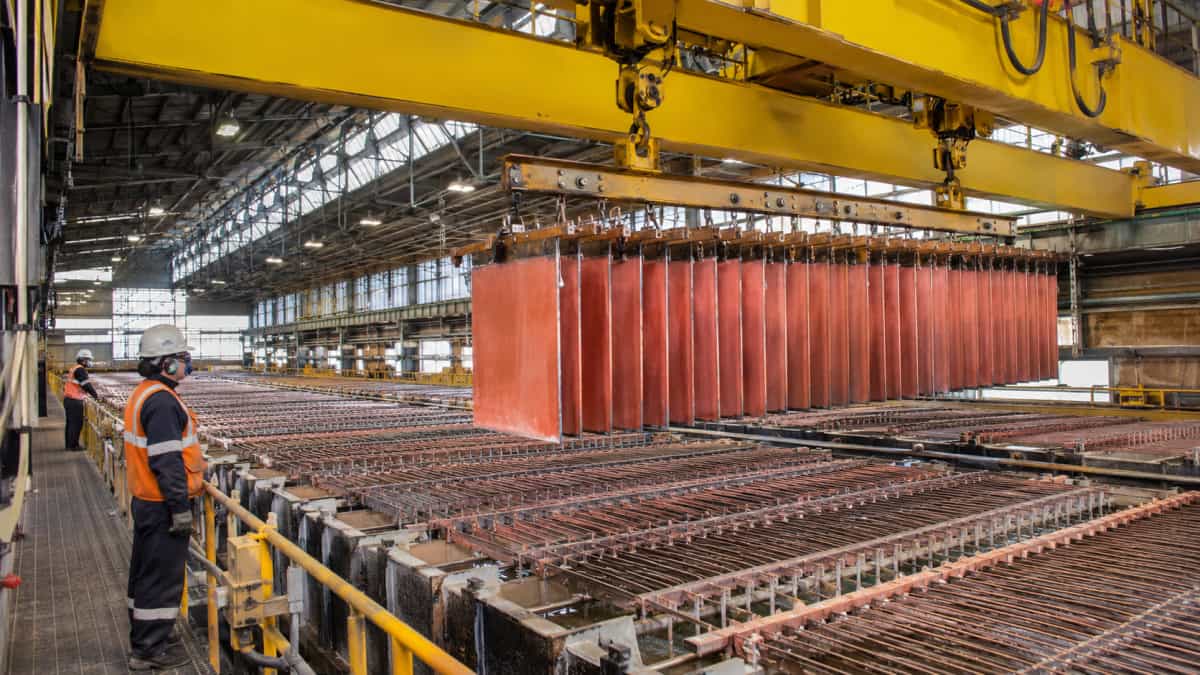
Latin America’s US$220bn minerals opportunity depends on what happens after mining
Copper and lithium give the region leverage, but its ability to capture more value across global supply chains remains uneven.
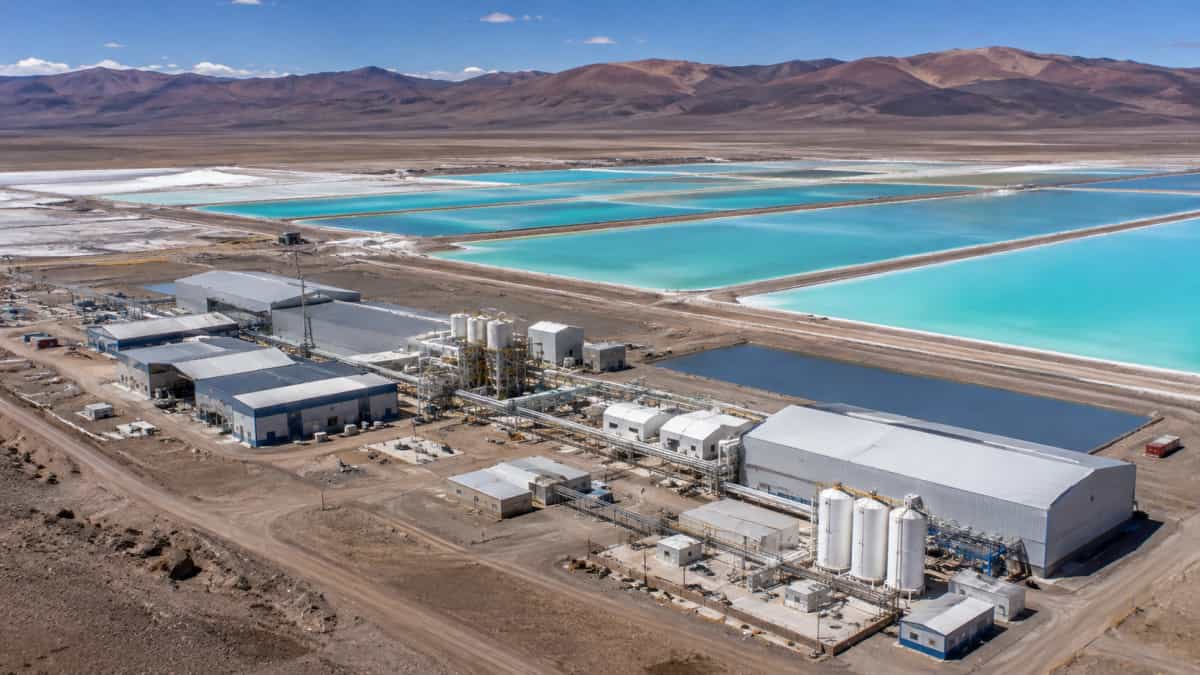
US commission puts Argentina’s lithium and copper supply chains under scrutiny
Chinese investment links brine production to Asian battery supply chains, but project ownership and commercial arrangements vary.