
Latin America’s critical-minerals race puts processing capacity in play
Washington is expanding cooperation with regional producers as Chinese companies retain stakes in key projects.
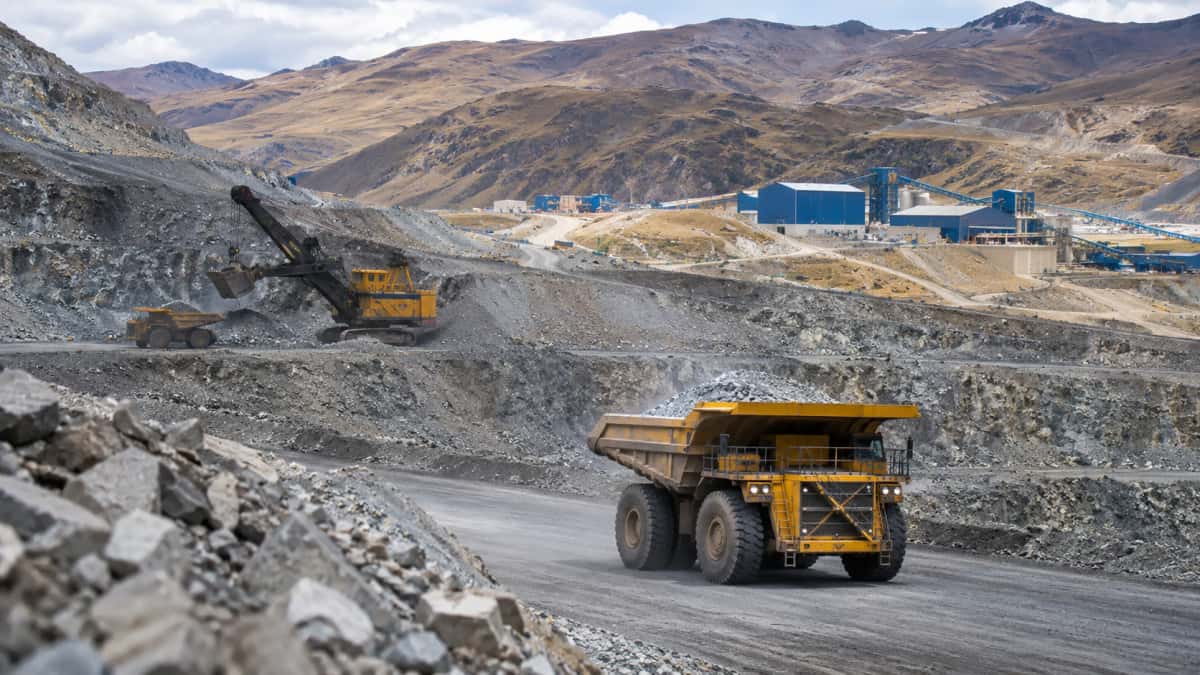
Why it matters: Latin America’s ability to process minerals locally could determine whether rising foreign investment builds regional industry or mainly expands raw-material exports.
48% — share of global lithium reserves held by Latin America in 2023.
85% — China’s share of rare-earth separation for magnet production.
US$7 billion — potential financing under a US EXIM framework with Argentina, not committed mining investment.
US$35 billion — additional value projected under a scenario of greater regional processing by 2035.
Latin America is becoming a focal point in the competition between China and the United States for critical-mineral supply, with the contest extending from mine ownership to refining capacity, technology and transport links. China holds a strong position in processing, while Washington is pursuing cooperation and financing agreements with regional producers.
The region’s resource base is central to that contest. Chile and Peru are major copper jurisdictions; Argentina, Chile and Bolivia form the so-called lithium triangle; and Brazil holds resources in rare earths, graphite, nickel and niobium. Statistics for 2023 put Latin America’s share of global reserves at 36.6% for copper, 35% for molybdenum, 34.5% for silver and close to 25% for graphite, alongside its lithium reserves.
China’s processing advantage reaches beyond mine ownership
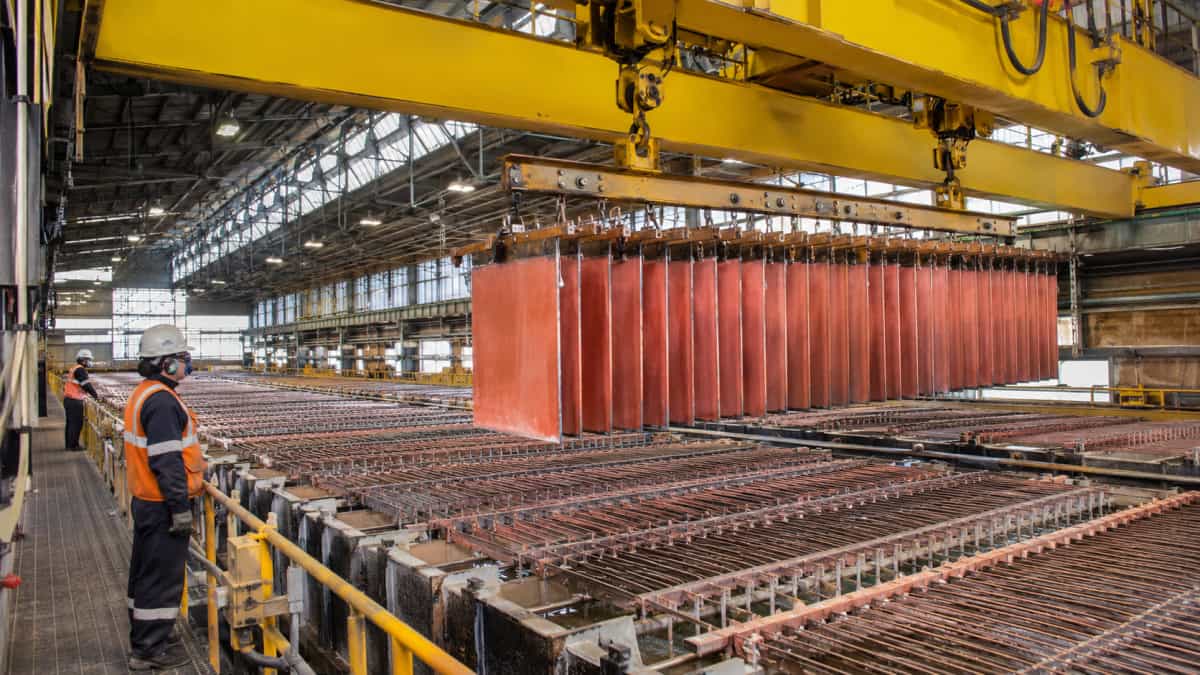
China’s influence rests not only on investments and supply contracts but on its position in the industrial stages that convert mined material into products for manufacturers. It accounts for about 50% of global copper-refining capacity, 70% of lithium refining and 75% of cobalt refining. It also handles 85% of rare-earth separation for magnets and more than 90% of battery-grade graphite production.
That capacity supplies manufacturers of batteries, electric motors, vehicles and electronics. Chinese companies also hold interests in Latin American operations and projects, including Las Bambas and Toromocho in Peru, and lithium projects Cauchari-Olaroz, Mariana and Pozuelos-Pastos Grandes in Argentina.
US financing targets supply chains, not only mines
On September 23, 2026, the US Export-Import Bank (EXIM) signed a cooperation framework with Argentina that could mobilize up to US$7 billion through 2027. The framework covers critical-mineral extraction and processing, as well as energy security, power-grid modernization, digital connectivity and advanced technologies. The amount is potential financing across several sectors, not a commitment to mining projects alone.
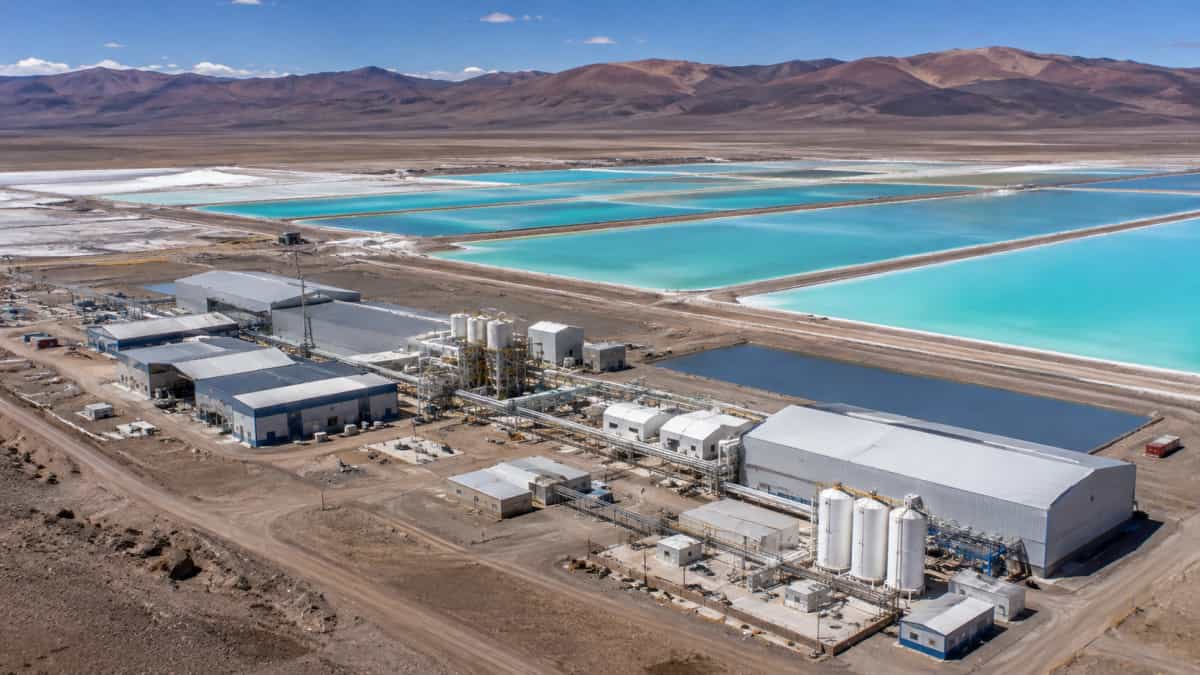
The competition is visible in Argentina’s lithium sector. Lithium Argentina completed a strategic US$180 million investment from Ganfeng Lithium on September 15, 2026. At the end of that month, Ganfeng held a 46.7% stake in Minera Exar, which owns the Cauchari-Olaroz project in Jujuy. The transactions illustrate that new US cooperation does not automatically displace existing commercial relationships.
Processing capacity is the regional economic stake
Chile and the United States signed a joint declaration on critical minerals and rare earths on March 12, 2026, while China remains a major market for Chilean mineral exports. Peru has discussed raising annual copper output by about one million tonnes over the next five to six years through new projects. Brazil’s rare earths, graphite and nickel also feature in efforts to diversify supply.
The regional value at stake depends on what happens after extraction. Latin American countries refined, on average, about 20% of the main energy-transition minerals they produced in 2025, excluding lithium. Projections put the sector’s potential economic value at US$185 billion by 2035, rising to US$220 billion in a scenario with more local processing. Reaching that level would require investment in smelters, refineries, chemical plants, energy infrastructure and skilled labour; the projections do not guarantee those facilities will be built.
More in Critical Minerals
Latin America’s US$220bn minerals opportunity depends on what happens after mining
Copper and lithium give the region leverage, but its ability to capture more value across global supply chains remains uneven.
Red Mountain maps Oaky Creek antimony, but 2027 drill targets remain unresolved
Initial RC holes found antimony, but the structural controls that should guide deeper tests still need to be interpreted.
US commission puts Argentina’s lithium and copper supply chains under scrutiny
Chinese investment links brine production to Asian battery supply chains, but project ownership and commercial arrangements vary.