Perpetua explores US$55.5 million tungsten funding path, with Stibnite unproven
An unnamed aerospace and defence company may back work in Idaho, but Stibnite’s existing gold-and-antimony approvals do not cover a separate tungsten operation.
Why it matters: A potential private funding and offtake pathway could support domestic tungsten exploration, but it does not establish a viable mine or authorize production.
Up to US$55.5 million — potential exploration financing under the memorandum
Up to 50% — share of possible future tungsten production the prospective partner could acquire rights to
9.8 metres at 4.6% tungsten — reported drill intersection at Hangar Flats
More than 70% — share of global tungsten supply attributed to China by the USGS
Perpetua Resources and its subsidiary Perpetua Resources Idaho signed a non-binding memorandum of understanding on November 17 to evaluate up to US$55.5 million in financing for tungsten exploration in Idaho. The prospective partner, an unnamed US aerospace and defence company, could acquire rights to as much as 50% of any future tungsten production.
The memorandum does not commit the parties to funding, mineral purchases or a definitive supply agreement. Any binding arrangement would require further negotiations, due diligence, regulatory approvals and final contracts. Perpetua said the proposed work would be considered through its Industrial Tungsten Acceleration Program (I-TAP).
US supply concerns underpin the proposal
The potential arrangement comes as US manufacturers and policymakers seek domestic sources of tungsten, a metal used in cutting tools, drilling equipment, industrial components and defence systems because of its hardness and resistance to heat and wear.
The US Geological Survey says the country has had no commercial tungsten production since 2015 and relies on imports for more than half of annual consumption. In a report published November 12, the agency said China accounts for more than 70% of global supply. That concentration has increased interest in projects that could diversify supply, though the memorandum itself does not guarantee future sales or production.
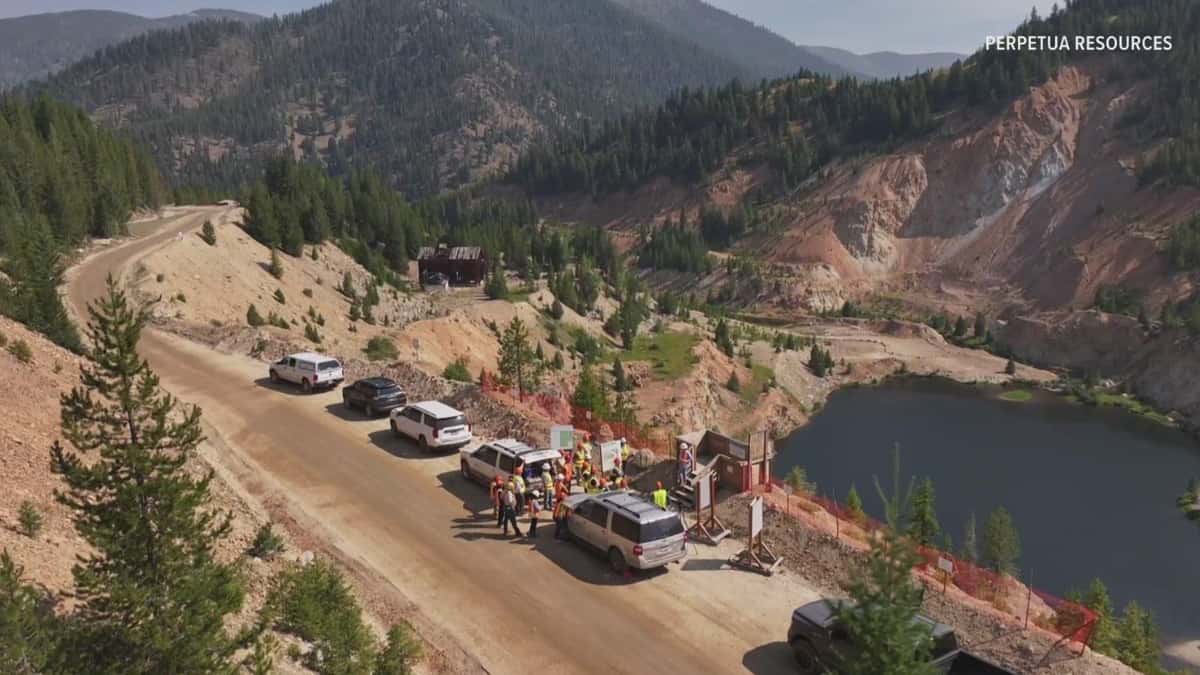
Perpetua is also pursuing a separate public-sector program at the historic Stibnite mining district. The company said on October 26 that it had received an award of up to US$40 million from the US Army to study the feasibility of producing tungsten concentrates. The 36-month program uses shared funding, with Perpetua also required to contribute. It is distinct from the private memorandum, and subsequent disbursements remain subject to conditions and further approvals.
Drilling is only an early test of commercial potential
Perpetua reported tungsten alongside gold and antimony in 2026 exploration at the Yellow Pine and Hangar Flats areas. At Hangar Flats, one reported intersection measured 9.8 metres grading 4.6% tungsten. The result confirms mineralization in the drilled interval, but does not by itself define an economically mineable resource or establish the viability of production.
Work contemplated under the potential financing could include further drilling, mineral resource definition, metallurgical testing and processing studies. The company has also described possible design and permitting work for an underground exploration ramp to access deeper mineralized zones. Later-stage activities, depending on results and available funding, could include underground work, preliminary economic assessments and pilot-scale processing tests.
Separate approvals would be needed for tungsten
A tungsten operation would be separate from Perpetua’s approved mine plan for gold and antimony at Stibnite. Existing approvals therefore do not automatically permit commercial tungsten production. The company would need additional environmental reviews and the relevant permits before advancing a mine for the metal.
The project must also demonstrate continuity of mineralization, develop an effective recovery process and show that extraction and processing costs support investment. No production commitment or start date has been set. The next step is to negotiate any definitive agreement and advance technical studies, while obtaining the required approvals.
More in Critical Minerals

Trump and Xi agree to draft stability plan as rare-earth dispute remains
The meeting unfolded against a stark imbalance in permanent-magnet manufacturing, a bottleneck for electric vehicles, defence and AI hardware.
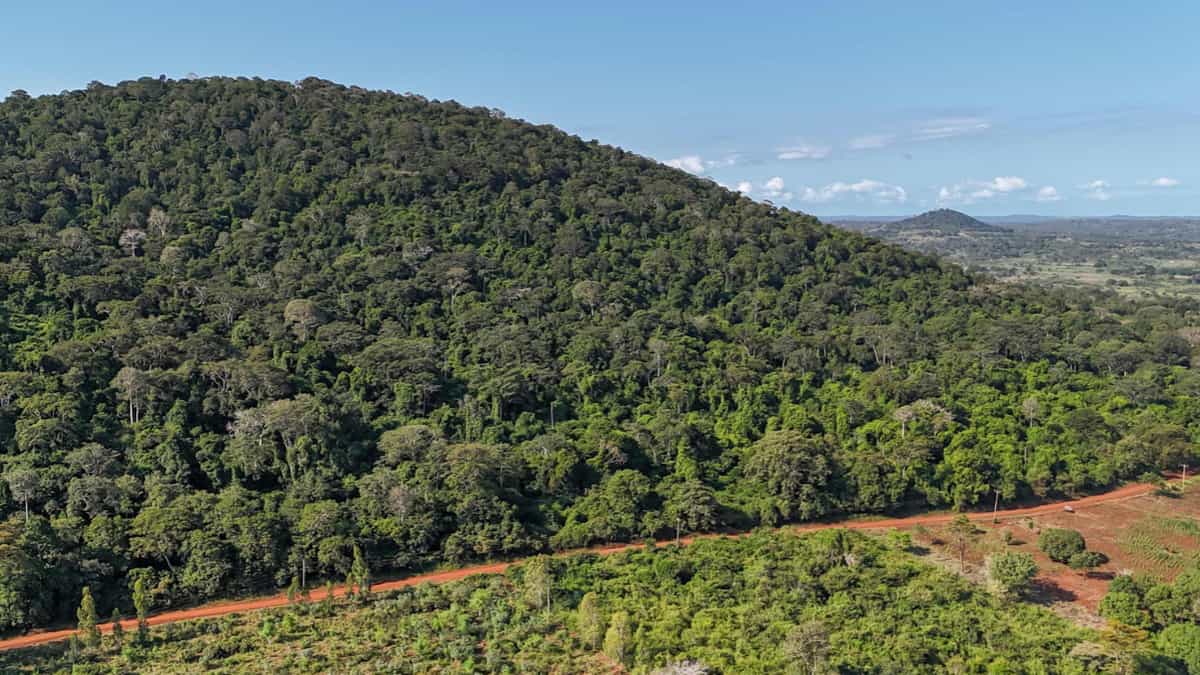
Kenya picks Frontier Minerals for Mrima Hill as rival consortia challenge award
The proposed development still has to clear a licensing process before exploration can begin.

Global X sees AI growth colliding with long lead times for new mines
A one-gigawatt AI facility could need 27,212 tonnes of copper, alongside demand from power grids, electric vehicles and defence.