
Kenya picks Frontier Minerals for Mrima Hill as rival consortia challenge award
The proposed development still has to clear a licensing process before exploration can begin.
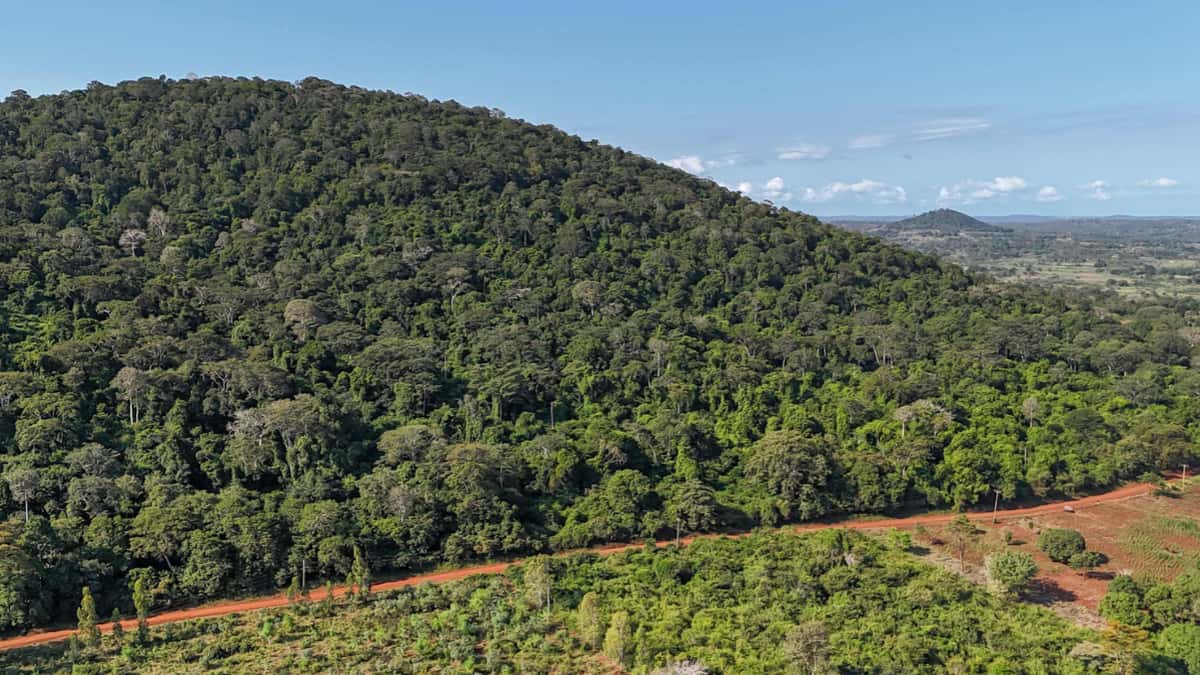
Why it matters: The selection could give a US-led group a foothold in Kenya’s rare earths and niobium sector, but it grants no mining rights.
7 applicants — the number initially shortlisted for the competition in July.
2 Chinese companies — withdrew from the process before the final selection.
1992 — the year Mrima Hill’s sacred forest was declared a national monument.
US$25 million — a US Department of Defense grant to ReElement Technologies for equipment at its Indiana facilities, not funding for Mrima Hill.
Kenya has selected a consortium led by Frontier Minerals to develop the Mrima Hill critical-minerals project in Kwale County, but two competing groups plan to challenge the procurement decision. The government’s notification of intention to award, announced on Nov. 19, does not authorize mining or provide the consortium with a licence to start exploration.
The selected group comprises Frontier Minerals LLC, ReElement Technologies, American Resources Corporation and Bunker Hill Mining Corporation. The deposit contains rare earths and niobium, a metal used in industrial and aerospace applications. Preliminary assessments cited by Kenya’s Ministry of Mining put its potential value at tens of billions of dollars, but that figure is not a certified estimate of commercially extractable reserves or projected revenue.
Two rival groups plan procurement challenges
The tender initially included seven shortlisted applicants, with groups linked to the United States, Australia and China. Two Chinese companies later withdrew. Frontier Minerals was selected from three finalists: the other groups were Mrima Earth Limited, which includes Critical Metals Corp and European Lithium, and a consortium led by Australia’s RareX alongside Iluka Resources.
RareX said it would file a claim by Dec. 10, 2026, arguing that Frontier Minerals submitted its expression of interest after the deadline and should not have been eligible. The company says its own proposal should therefore be treated as the best compliant bid and is seeking a formal explanation of the ministry’s evaluation. The allegation has not been established by the authorities.
Mrima Earth has also said it intends to appeal to Kenya’s public procurement regulator, but has not provided detailed grounds for its challenge. Frontier Minerals defended the process, while Mining Minister Hassan Ali Joho said the selection followed established procedures and that unsuccessful bidders could use the available complaints mechanisms. The announced challenges have not, so far, overturned the government’s intention to award the project.
Processing plans do not yet amount to investment
Frontier Minerals has proposed building processing and refining capacity in Kenya, an approach the company says would support the government’s aim of adding value to mineral exports. The consortium has also described plans to create opportunities for local workers and suppliers and to include environmental management measures. These remain stated intentions, not completed facilities or committed investment at Mrima Hill.
ReElement’s role brings processing expertise to the group. The company develops technologies to process and separate rare earths and other critical minerals. Its US$25 million Department of Defense grant is for equipment at its Indiana facilities and is separate from any funding for the Kenyan project.
Sacred forest status adds a separate approval hurdle
Mrima Hill lies in a forest area of cultural importance to local communities, including the Digo people. The sacred forest was declared a national monument in 1992. Farmers and residents have raised concerns about potential effects on land, agriculture and cultural heritage, and some community representatives say they do not yet have enough information about the proposed development.
A separate court case brought by Kenya’s Centre for Litigation Trust seeks to suspend a possible minerals agreement between Kenya and the United States until consultations take place. That case is distinct from the procurement challenges brought by the competing consortia.
The ministry says Frontier Minerals must engage with communities, obtain required consent and apply for a prospecting licence, which would allow limited studies and exploration—not commercial mining. Any mine would require further approvals, including an exploitation licence and environmental and social impact assessment, along with community agreements required under Kenyan law. No date has been confirmed for commercial production.
More in Critical Minerals

Global X sees AI growth colliding with long lead times for new mines
A one-gigawatt AI facility could need 27,212 tonnes of copper, alongside demand from power grids, electric vehicles and defence.
Atlas Metals targets Namibia lithium project in conditional £54m share deal
Namibia's government retains a stake in ML129, so Atlas's proposed route into the licence runs through B1 rather than direct ownership.