
Global X sees AI growth colliding with long lead times for new mines
A one-gigawatt AI facility could need 27,212 tonnes of copper, alongside demand from power grids, electric vehicles and defence.
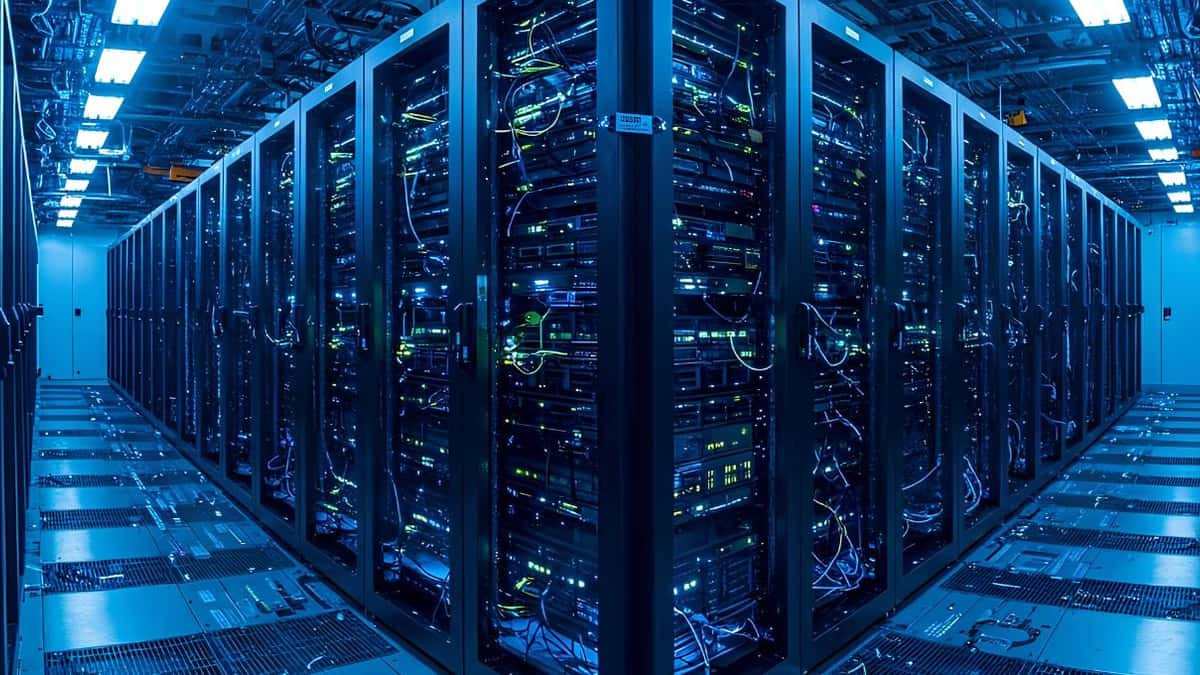
Why it matters: Mineral supply constraints could raise costs or delay the power and data infrastructure needed to expand artificial intelligence.
21% copper, 22% lithium and 17% rare earths — potential supply gaps by 2035 in Global X’s projections.
US$550 billion — estimated cumulative investment needed across the three mineral supply chains through 2040.
More than 17 years — the average time Global X says it takes to bring a copper mine into operation.
20% — projected share of US electricity consumption by data centres in 2035, compared with about 6% in 2026.
Global X projects potential supply gaps by 2035 for copper, lithium and rare earths used in magnets, as artificial intelligence infrastructure adds to demand from electrification, electric vehicles and defence. The investment manager’s Charting Disruption 2027 report, published in November 2026, warns that the shortfalls could raise costs and delay the development of data centres, electricity infrastructure and other technologies.
A one-gigawatt AI facility could require about 180,000 tonnes of materials, including 27,212 tonnes of copper and 162 tonnes of rare earths, the report estimates. The figures reflect the material needs of the buildout, but AI is only one source of demand competing for mine output.
Copper demand meets lengthy project timelines
Global X estimates that worldwide copper demand could rise 50% between 2025 and 2040, with roughly two-thirds of that growth linked to electrification and energy infrastructure, AI and defence. The report projects a 21% gap between primary mine production and market requirements in 2035.
Expanding supply is constrained by the time and cost involved in developing new operations. Global X puts the average timeline to bring a copper mine into production at more than 17 years, citing permitting, regulatory requirements and capital investment. It also points to ageing deposits and declining ore grades at some existing operations as obstacles to adding capacity in time to meet demand.
Lithium demand, meanwhile, could exceed 3.6 million tonnes of lithium carbonate equivalent in 2030, more than double the estimated 2025 level. Electric vehicles and energy storage systems are expected to account for more than 90% of global consumption. The report allows for moderate market surpluses between 2028 and 2034 before projecting a potential 22% supply gap by 2035. For rare earths used in permanent magnets, it estimates a 17% shortfall and notes China’s concentration in refining and component manufacturing.
Investment needs extend beyond mine output
Global X estimates that copper, lithium and rare earth supply chains may require about US$550 billion in cumulative investment through 2040. The figure includes new mining and processing capacity and efforts to reduce supply-chain vulnerabilities; it is a projected requirement, not committed spending. Including other critical-mineral needs and water infrastructure, the report puts the potential investment requirement above US$2 trillion.
Power and water could also constrain the AI buildout. Global X projects that data centres may account for about 20% of US electricity consumption in 2035, up from approximately 6% in 2026. The buildout therefore depends not only on mineral production but also on added generation, transmission and cooling capacity. Water availability is a particular consideration for facilities using water-intensive cooling systems.
Chile’s position depends on project delivery
Chile is exposed to these trends as a major supplier: the International Energy Agency says the country provides about one-quarter of global copper supply and one-fifth of lithium supply. But rising demand alone does not guarantee increased production or ensure that new projects receive the investment and infrastructure they require.
In its report on Chile’s energy transition to 2050, the IEA warns that, without additional projects beyond those already contemplated, national copper production could peak and lithium production could stabilise in the early 2030s. Energy and water availability, financing, technology and project execution remain among the challenges to expanding capacity.
Global X’s figures are forecasts, not deficits that have already materialised. New projects, recycling, material substitution and technological advances could change supply and demand. The report’s outlook depends in part on whether new mining and processing capacity can be developed in time; its investment estimates do not guarantee that the required capital will be committed.
More in Critical Minerals

Atlas Metals targets Namibia lithium project in conditional £54m share deal
Namibia's government retains a stake in ML129, so Atlas's proposed route into the licence runs through B1 rather than direct ownership.