
Latin America produces 40% of global copper but refines only about 10%
Raw materials dominate regional mineral exports, while a proposed Andean cluster would test whether Chile and Peru can deepen processing.
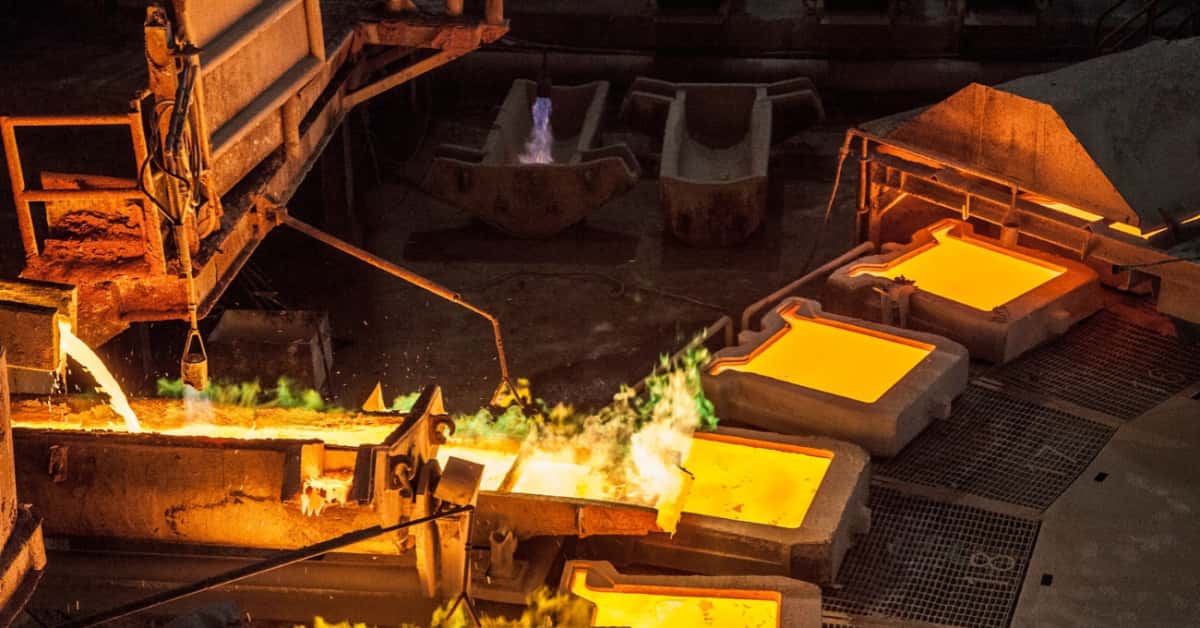
Why it matters: Latin America’s ability to process more of its mineral output will shape how much value it captures as demand grows for materials used in electrification and clean energy.
About 40% — Latin America’s share of global copper production.
About 10% — the region’s share of global copper refining.
62% — the share of regional critical-mineral exports that leaves as raw materials.
US$185 billion to US$220 billion — the IEA’s estimated 2035 regional value under its reference case and a hypothetical expansion of local refining, respectively.
Latin America produces about 40% of the world’s copper but accounts for only around 10% of its refining, according to a report by the World Economic Forum and McKinsey & Company. The study, Advancing Latin America’s Critical Minerals Potential, says the gap reflects limited regional processing and industrial capacity, even as demand for minerals used in electrification, renewable energy and digital technologies grows.
The report also finds that 62% of Latin America’s critical-mineral exports are raw materials, with the remaining 38% comprising processed products. That leaves the region less involved in activities such as refining, material transformation and component manufacturing. For comparison, OECD studies put the share of semiprocessed and more highly processed products at 58% of critical-mineral exports from Africa and 60% from Oceania.
Raw exports expose the value-add gap
The report’s figures point to a gap between mineral supply and the industrial capacity needed to capture more value downstream. The International Energy Agency’s Global Critical Minerals Outlook 2026 estimates that Latin America could generate about US$185 billion in economic value by 2035 from projects in its reference-case pipeline. In a hypothetical scenario involving a substantial expansion of local refining, that figure could reach about US$220 billion, subject to the infrastructure and capabilities being developed.
Those estimates are scenarios, not guaranteed returns. Expanding processing would require capital, reliable energy and water, technology, skilled workers and regulatory conditions that support long-term investment. The report identifies infrastructure, technology and innovation, financing, public policy, social impact and talent development as six priorities for improving the region’s competitiveness.
Chile and Peru’s proposed copper cluster
McKinsey partner and Chile office manager Jaime Szigethi has proposed that Chile and Peru develop an Andean copper cluster to share infrastructure, reduce costs and enable projects that could be harder to advance independently. The proposal is a recommendation, not an implementation agreement between the two governments. It would require institutional coordination, investment and cooperation between public and private sectors.
The report presents regional cooperation as a way to build on complementary strengths rather than have every country develop every stage of a supply chain. Argentina and Chile are important lithium producers; Brazil has graphite and rare-earth resources as well as manufacturing capacity. The authors argue that these differences could support regional production chains.
Long lead times and technology hurdles
Building a new mine can take more than 15 years, McKinsey notes, reinforcing the need for early planning and investment. The report also points to water and energy constraints, high capital requirements, regulatory differences and shortages of geologists, chemical engineers and project-execution specialists as barriers to developing more local processing.
In Chile, the study highlights a University of Concepción technology designed to process copper concentrates using green hydrogen. The project is in the pilot phase for industrial validation, with Codelco, BHP Minerals Americas and Aurubis collaborating and Corfo providing support. Its next step is to validate the technology at industrial scale.
More in Critical Minerals
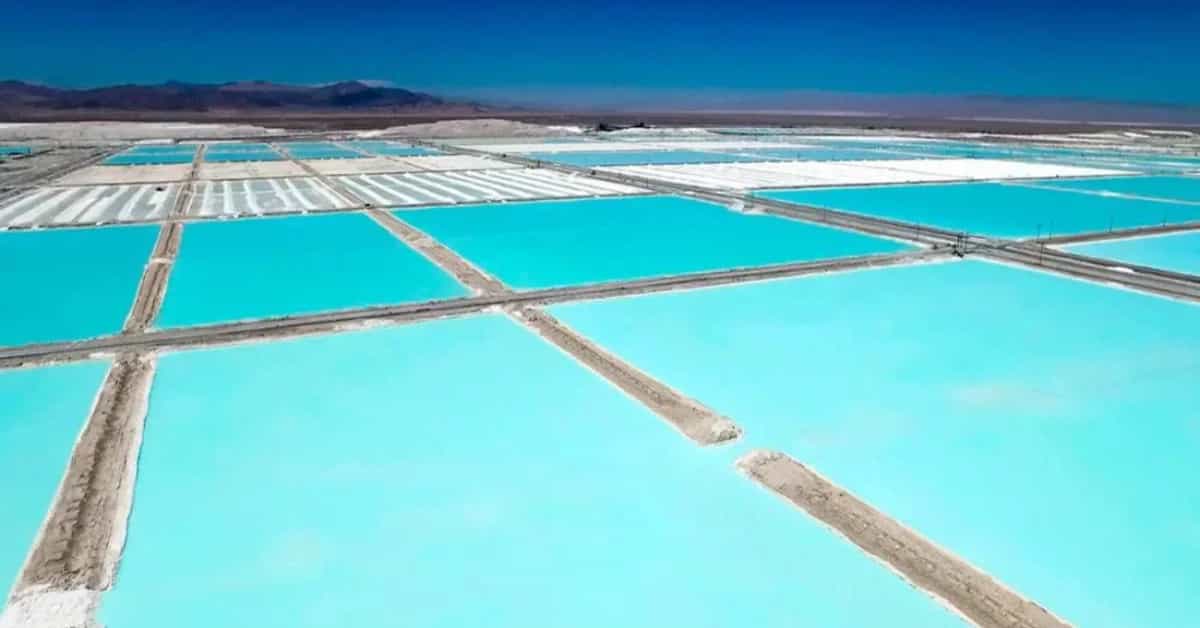
Antofagasta has $23 billion in lithium funds unassigned as Taltal school shifts budget
A Taltal school project was set to draw on lithium contributions, while auditors still require documentation from central government agencies.
COP31 fails to adopt Antalya Pact, but critical minerals enter a separate decision
Talks ran two days over schedule, with fossil-fuel language and climate finance still dividing governments.
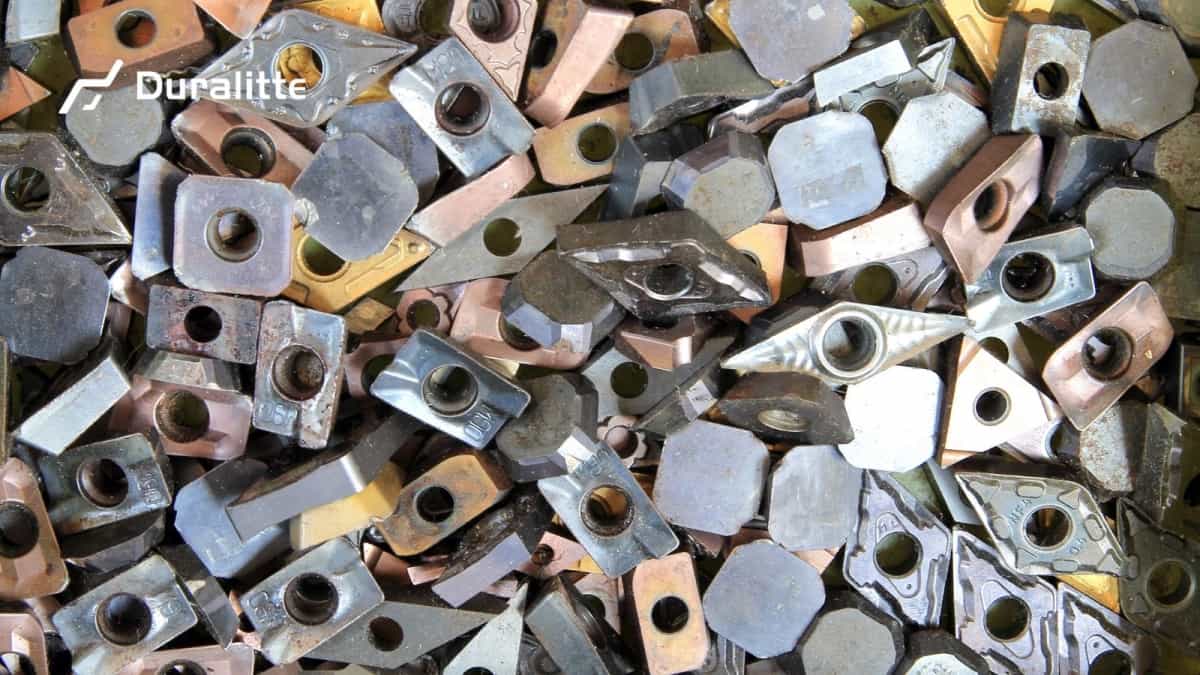
Blue Moon tests tungsten ore sorting at Springer, but plant fit remains unresolved
Tests used selected material from historic stockpiles, leaving open how XRT would perform on representative mine feed.