
Antofagasta has $23 billion in lithium funds unassigned as Taltal school shifts budget
A Taltal school project was set to draw on lithium contributions, while auditors still require documentation from central government agencies.
Why it matters: The funding delay is forcing Antofagasta to use regular regional budget resources for a school project while lithium-linked revenue remains unavailable for allocation.
More than $23 billion — lithium-contract revenue pending allocation in the region.
$7,237,179,000 — additional works funding for Taltal’s C-20 school, now assigned to the regular FNDR budget.
$20,263 million — the lithium programme’s 2026 budget at September’s close, with no recorded execution.
715 students — the planned capacity of the replacement school.
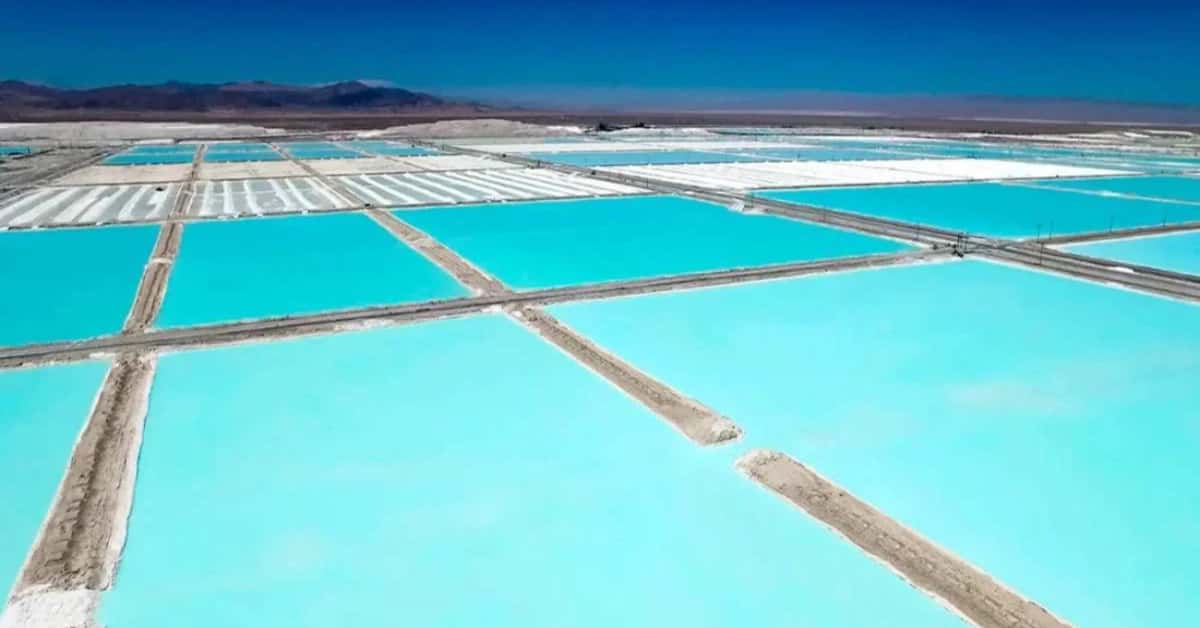
Antofagasta Region has more than $23 billion in revenue from lithium exploitation contracts awaiting allocation, and the replacement of Taltal’s Liceo Politécnico C-20 will use regular regional development funds for works once expected to draw on that revenue. Governor Ricardo Díaz said the regional government needs documents from central agencies to justify the use of the funds and proceed with investment allocations.
The Comptroller General’s Office requires supporting information from the Budget Office (Dipres) and the Ministry of Social Development and Family to formally identify the resources. Until that process is completed, the regional government faces restrictions on assigning lithium-derived funds to projects.
Taltal school funding moves to the regular regional budget
The C-20 project had included lithium contributions for part of its construction. The $7,237,179,000 allocation for additional civil works, initially committed from revenue linked to Salar de Atacama exploitation contracts and agreements, will instead come from the regular National Regional Development Fund (FNDR), according to the regional government’s account.
The Antofagasta Regional Council unanimously approved the increase on August 7, 2025, under agreement No. 18015-25. The replacement school is designed to improve facilities for technical-professional education and accommodate 715 students. The council reported in September 2026 that construction was among the projects under way in the commune.
Lithium programme had no recorded spending by September
The 2026 Budget Law included the Antofagasta Region Development Fund – Lithium Agreement programme. It is intended to finance projects and programmes under the contribution agreement between SQM Salar and the regional government, with the participation of the Production Development Corporation (Corfo).
Dipres figures show the programme had a current budget of $20,263 million at the end of September 2026 and cumulative execution of zero. That budget figure is for the programme at that date; it is not necessarily the same as the more than $23 billion in funds reported as pending allocation.
The regional government had previously pointed to the creation of a dedicated budget programme for lithium income, drawing comparison with regional funding mechanisms such as Magallanes’ Fondema. But the outstanding documentation requirements have left the administration unable to allocate some of the revenue, while the C-20 project turns to another regional budget source. Further allocations depend on completion of the required procedures.
More in Critical Minerals
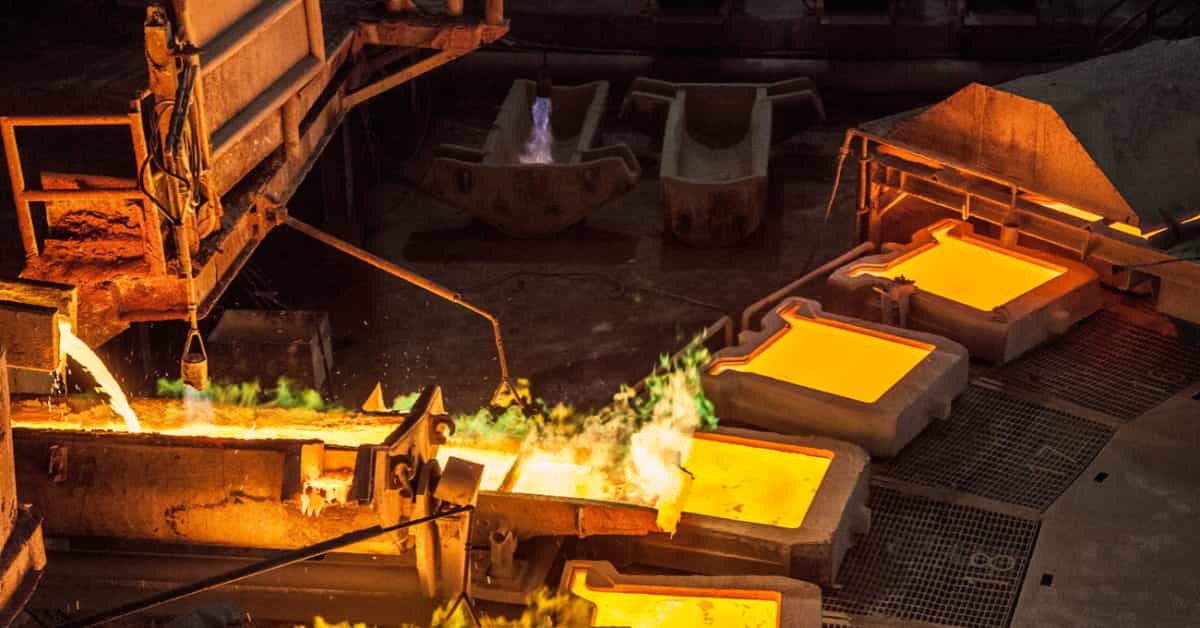
Latin America produces 40% of global copper but refines only about 10%
Raw materials dominate regional mineral exports, while a proposed Andean cluster would test whether Chile and Peru can deepen processing.
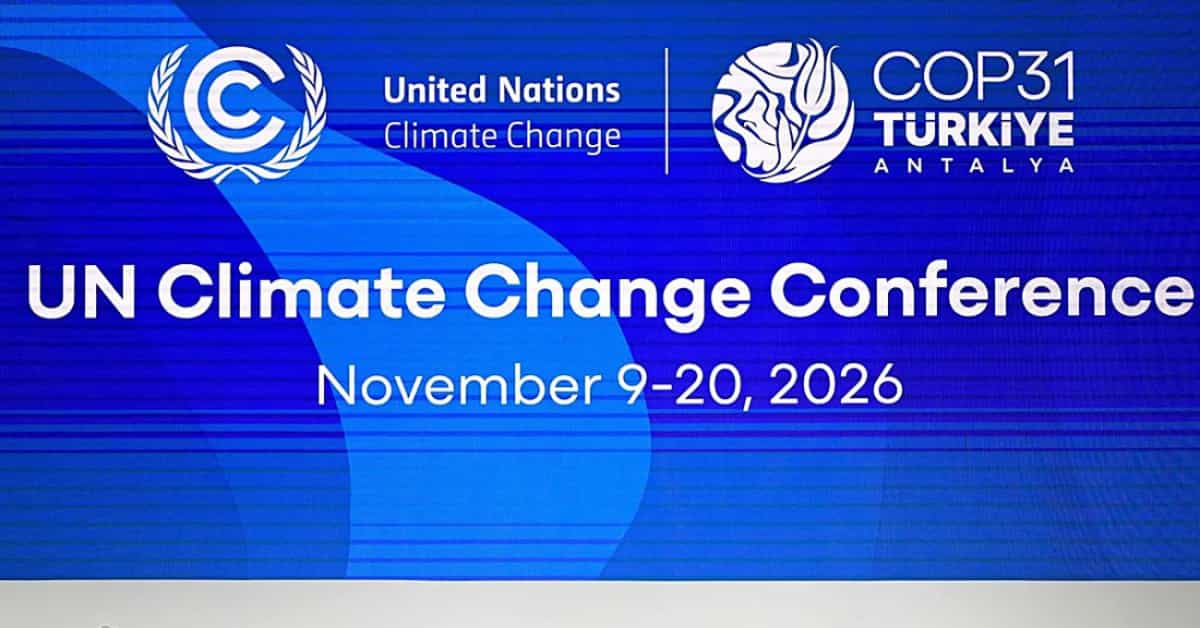
COP31 fails to adopt Antalya Pact, but critical minerals enter a separate decision
Talks ran two days over schedule, with fossil-fuel language and climate finance still dividing governments.
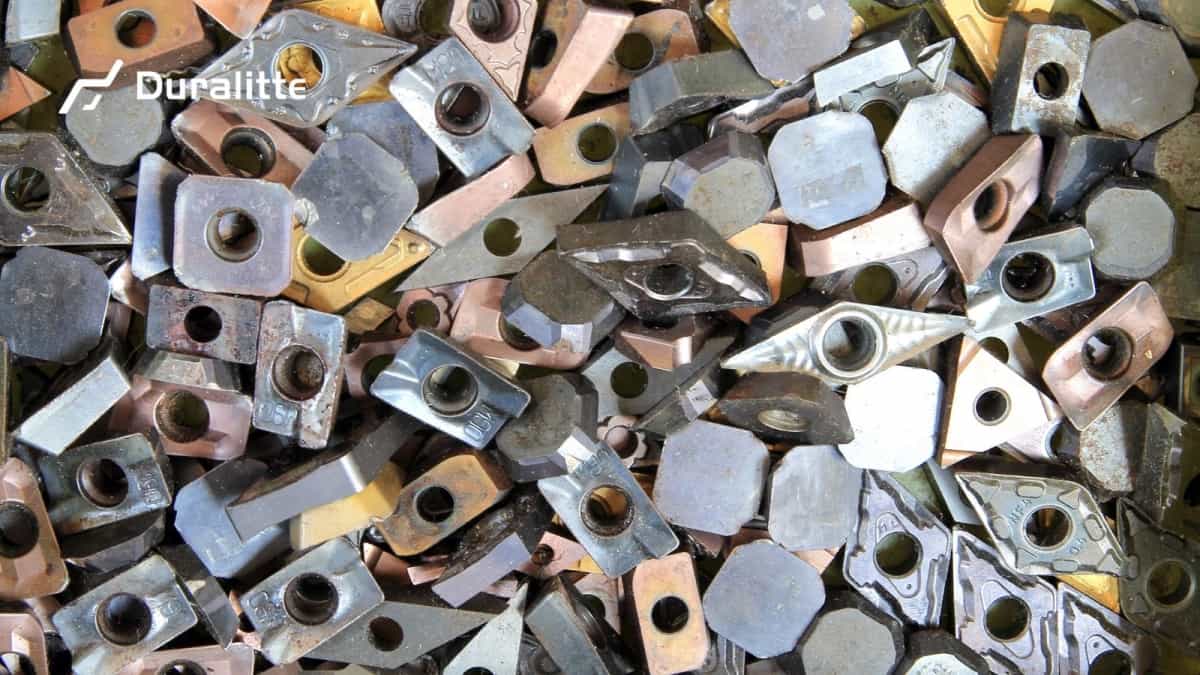
Blue Moon tests tungsten ore sorting at Springer, but plant fit remains unresolved
Tests used selected material from historic stockpiles, leaving open how XRT would perform on representative mine feed.