
Lake Resources seeks Argentina’s RIGI for Kachi as financing remains unsettled
The Catamarca lithium project is entering a regulatory review after years of delays, but the filing does not settle what must happen before construction.
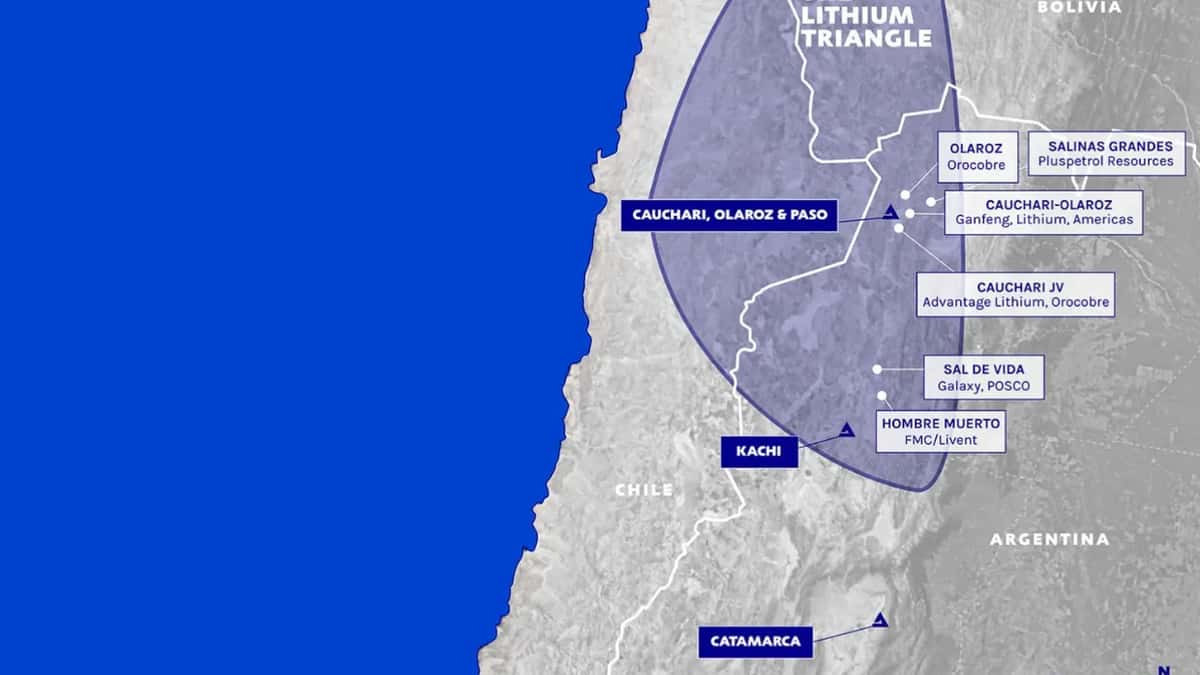
Why it matters: RIGI eligibility could shape the investment framework for a proposed lithium project, but it cannot substitute for committed capital or a construction decision.
More than US$1 billion — estimated investment for Kachi in its full configuration.
US$200 million — minimum investment threshold cited for RIGI projects.
30 years — fiscal, customs and foreign-exchange stability contemplated by the regime.
25,000 tonnes a year — projected initial production of lithium carbonate equivalent.
Lake Resources has applied to Argentina’s Large Investment Incentive Regime (RIGI) for its Kachi lithium project in Catamarca, moving the proposal into an administrative review but not securing approval, financing or a final investment decision.
The application will be considered by the national Mining Secretariat, the RIGI’s enforcement authority and the Catamarca government. Lake said in September 2025 that Kachi would be among the first projects to seek inclusion. The filing now starts the formal review; admission and any eventual conditions remain undecided.
RIGI application is separate from an investment decision
Argentina approved RIGI in July 2024 as part of the Bases Law. The regime provides for 30 years of fiscal, customs and foreign-exchange stability for projects with investment above US$200 million. Its framework also includes foreign-exchange provisions such as the ability to repatriate dividends. Kachi’s estimated investment exceeds the eligibility threshold, but the benefits available to the project depend on its application advancing and on the conditions ultimately agreed.
That distinction matters for a project that has faced delays and financing uncertainty. Between 2022 and 2024, Lake underwent management changes and cancelled its technology agreement with Lilac Solutions. The application is a step in the regulatory process, not evidence that the company has committed the capital required to build Kachi.
Catamarca granted an Environmental Impact Declaration for the project’s exploitation stage on 29 September 2026. That approval is a separate milestone from the RIGI review and does not establish a construction start date or production schedule.
Kachi’s output and DLE approach remain projected
Kachi’s design envisages initial production of 25,000 tonnes per year of battery-grade lithium carbonate equivalent, with an estimated 25-year mine life and potential to expand. These are project parameters, not current output. Development work and the conditions needed for construction and operation remain ahead.
Lake has proposed using direct lithium extraction (DLE), which seeks to separate lithium from brine without conventional evaporation ponds. Kachi has no operating results, so the project has yet to demonstrate how the technology would affect production time or water consumption at the site.
The RIGI application adds Kachi to the projects that will show how Argentina processes large-scale lithium investment proposals. For Catamarca, it adds visibility alongside projects at different development stages in a region that also competes with Jujuy and Salta for investment. The next verifiable step is the outcome of the national and provincial review; until then, the project has a formal application and projected production parameters, but no announced final investment decision.
More in Critical Minerals

Trump and Xi agree to draft stability plan as rare-earth dispute remains
The meeting unfolded against a stark imbalance in permanent-magnet manufacturing, a bottleneck for electric vehicles, defence and AI hardware.
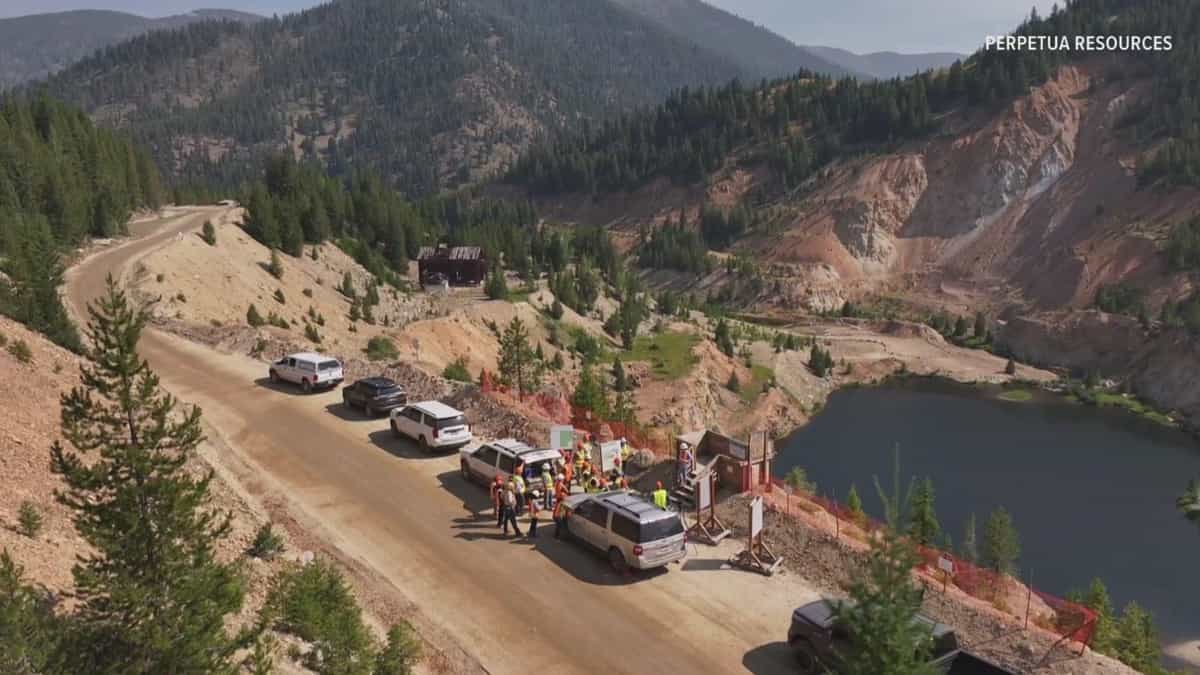
Perpetua explores US$55.5 million tungsten funding path, with Stibnite unproven
An unnamed aerospace and defence company may back work in Idaho, but Stibnite’s existing gold-and-antimony approvals do not cover a separate tungsten operation.
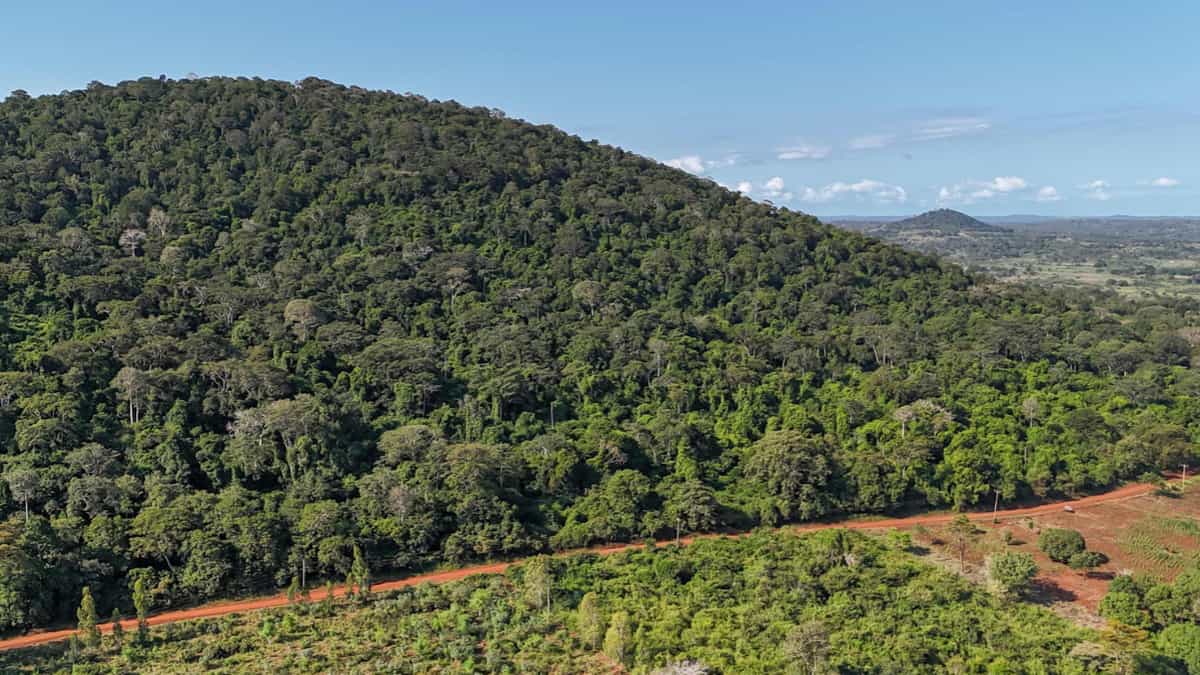
Kenya picks Frontier Minerals for Mrima Hill as rival consortia challenge award
The proposed development still has to clear a licensing process before exploration can begin.