
Kenya picks Bunker Hill consortium for Mrima Hill talks, but no licence yet
The proposal hinges on whether old NI 43-101 estimates can be verified and a culturally sensitive site can clear permitting.
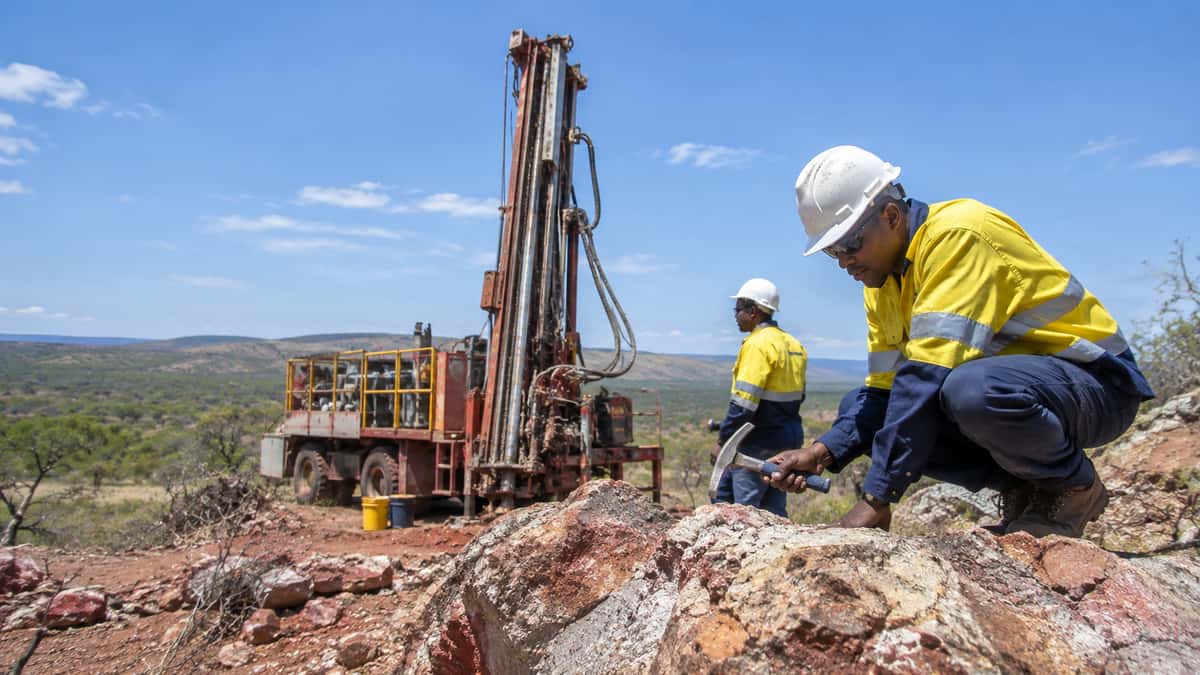
Why it matters: Mrima Hill could add a new source of rare earths and niobium, but its historic estimates and path to development remain unproven.
31.9 km² — area covered by the tender process
48.7 million tonnes — historical indicated rare-earth estimate at 4.40% TREO
110.7 million tonnes — historical inferred rare-earth estimate at 3.61% TREO
36 months — proposed period from licensing to a feasibility study and development decision
Kenya selected the U.S.-based Frontier Minerals consortium as the winning bidder to negotiate exploration rights for the Mrima Hill rare-earth and niobium project in Kwale County. Announced on November 19, 2026, the selection gives the group preference to negotiate; it is not an exploration licence or permission to begin work.
The consortium includes Bunker Hill Silver, ReElement Technologies and American Resources Corporation. It must complete negotiations with authorities, secure required community consents and meet regulatory requirements before exploration can start.
Historic estimates need verification
Mrima Hill is a carbonatite complex about 60 kilometres southwest of Mombasa. The tender area covers approximately 31.9 km² and contains mineralisation associated with rare earths and niobium.
Historical estimates prepared in 2013 under the NI 43-101 standard reported 48.7 million tonnes of indicated rare-earth resources grading 4.40% total rare-earth oxides (TREO), and 110.7 million tonnes of inferred resources grading 3.61% TREO. Separate historical niobium estimates reported 47.8 million tonnes indicated at 0.66% niobium pentoxide (Nb₂O₅) and 94.4 million tonnes inferred at 0.73% Nb₂O₅.
Bunker Hill does not treat these estimates as current mineral resources or mineable reserves. The rare-earth and niobium figures are separate estimates of the same geological system and should not be added together as independent deposits. Earlier work also identified areas with rare-earth grades approaching 7% TREO.
Three-year programme depends on a licence
Frontier’s proposed initial programme would begin after an exploration licence is granted. The first 12 months would focus on testing the historical data with new drilling and updating the resource estimate. Later work would include step-out drilling, metallurgical tests and studies of extraction and processing options.
Bunker Hill would lead exploration, resource definition, mine planning, metallurgical work and preparation of a feasibility study. ReElement and American Resources would contribute expertise in mineral separation and critical-mineral supply chains. The group is also considering ReElement’s chromatography-based separation technology, subject to technical and economic results.
Frontier is targeting a feasibility study and a potential development decision within 36 months of receiving the licence. That is a planning objective, not a guarantee of construction or commercial production. The consortium has not announced a definitive construction investment, and its final ownership structure remains to be set through formal agreements. Bunker Hill expects to participate without significant cash outlays during the feasibility stage, subject to the terms its partners ultimately agree.
Community, environmental and processing hurdles
The project area has cultural and environmental sensitivities, including the Mrima Hill sacred forest, designated a national monument in 1992, and its importance to the local Digo community. Community members and landowners have raised concerns about cultural heritage, access to information and the potential effects of mining. Any development would require environmental and social assessments and processes for community participation and consent.
Thorium in the mineralised system also calls for radiological investigations and specific safe-handling procedures. The project’s viability will therefore depend not only on exploration results but also on whether it can meet regulatory and community requirements and establish technically and economically workable processing.
Mrima Hill is about 60 kilometres by road from the port of Mombasa, near the Mombasa–Lunga Lunga corridor. The location offers access to transport infrastructure, but a mine and processing operation would still require investment in industrial facilities, power, water and specialised transport. The consortium’s aim to assess local separation and refining has not yet been supported by a confirmed financing package; no U.S. grant or funding amount has been approved.
Frontier’s next step is to complete licence negotiations and secure the required consents and approvals. Only after that process can the proposed resource-verification programme begin.
More in Critical Minerals
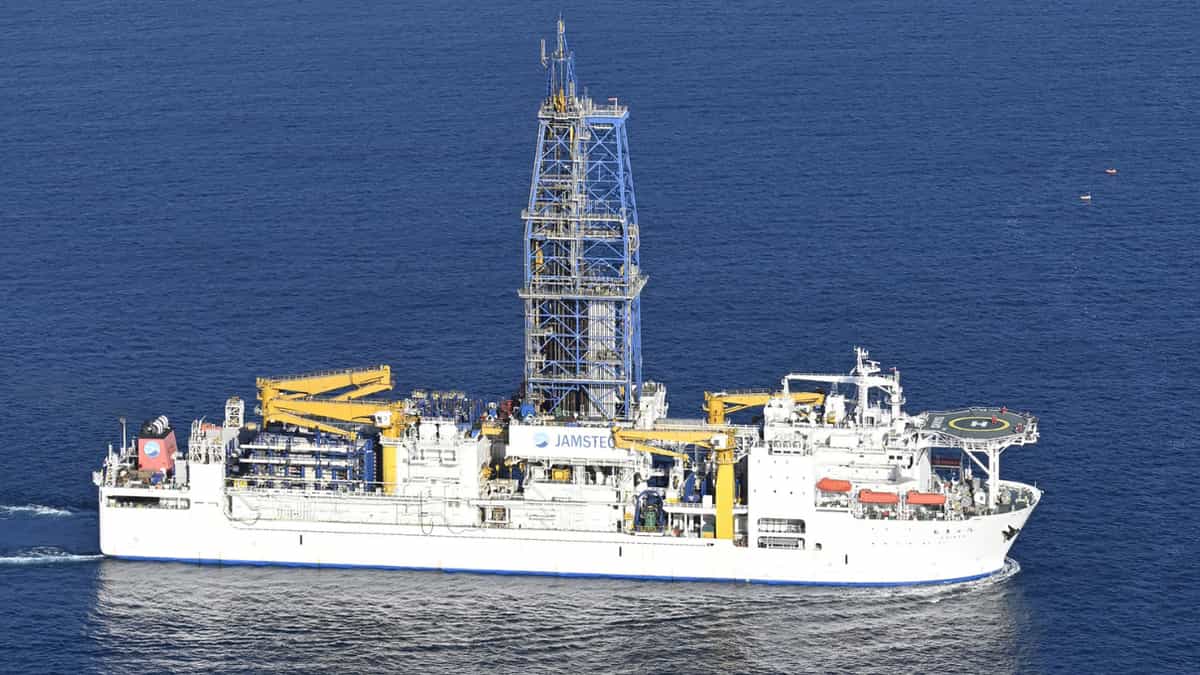
Japan sets 6,000-metre rare-earth test, but seabed output is not refined supply
A short lift trial reached the surface, but Minamitorishima’s next campaign must test endurance, cost and environmental controls.
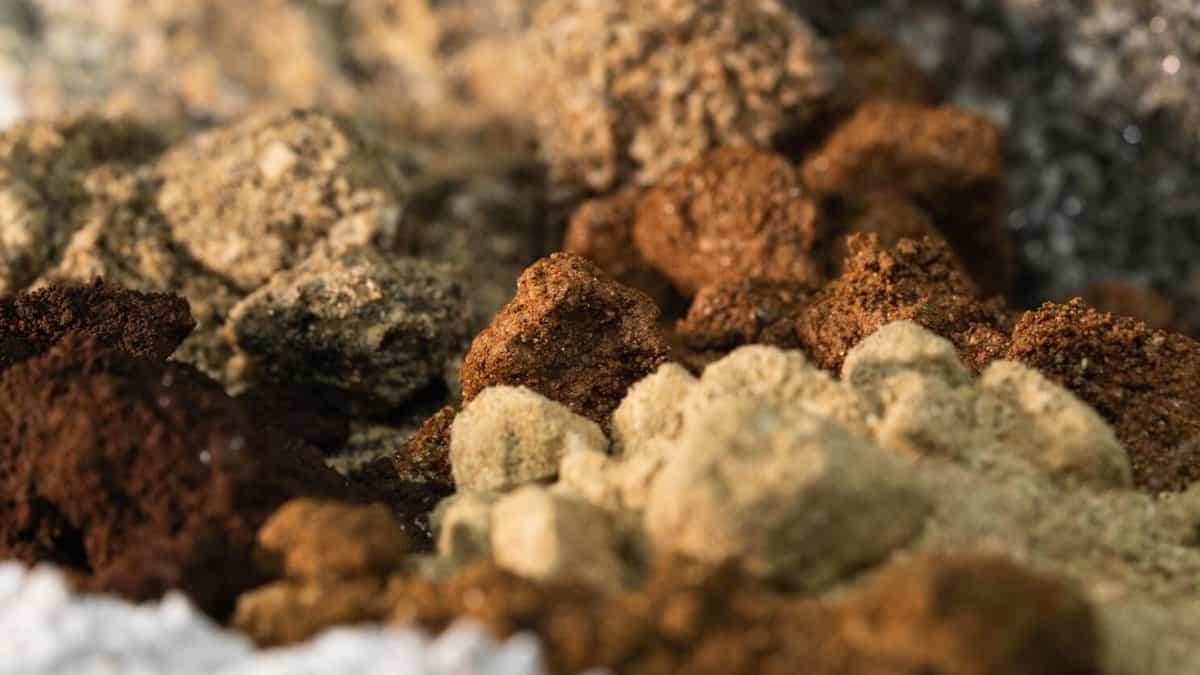
Chile maps 46 rare earth-rich tailings sites, but recovery remains unproven
Many deposits have only one surface sample, leaving their grade and continuity below ground untested.
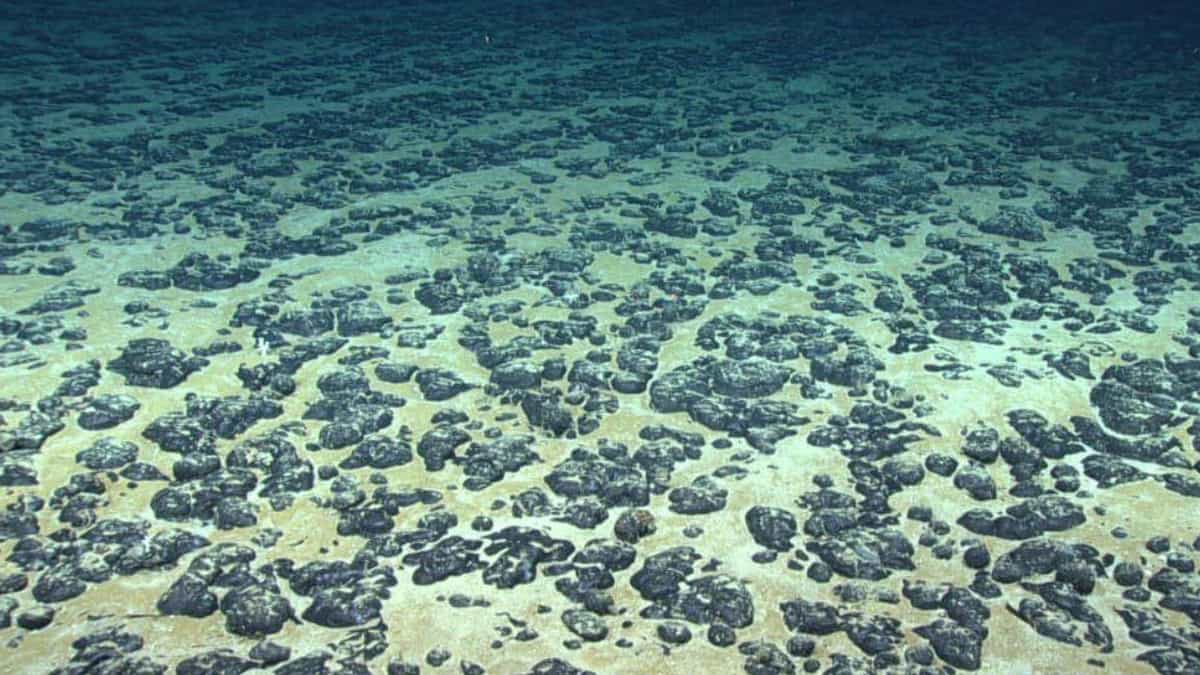
U.S. Pacific seabed auction draws US$6 million, but leases face court challenge
A judge found the federal review did not address the possible effects of later exploration and extraction stages.