
Chile maps 46 rare earth-rich tailings sites, but recovery remains unproven
Many deposits have only one surface sample, leaving their grade and continuity below ground untested.
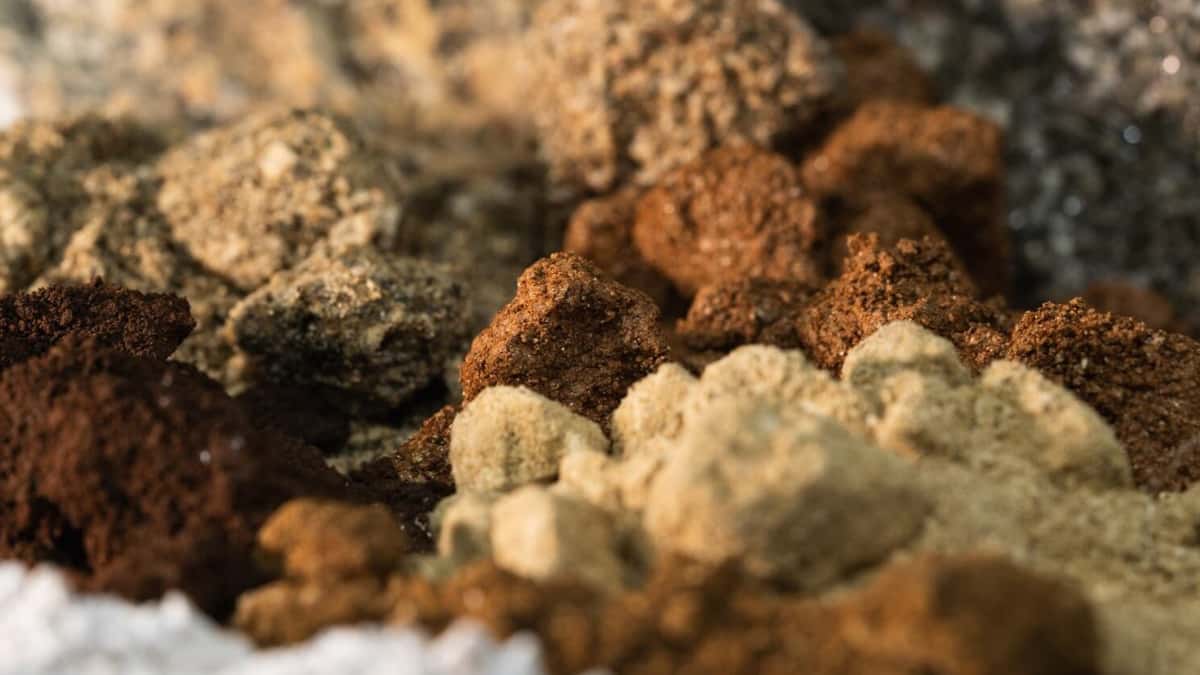
Why it matters: Chile’s mine waste could offer a secondary source of rare earths, but identifying elevated concentrations is only an initial step toward assessing a viable supply.
649 deposits — screened across nine Chilean regions
46 deposits — recorded concentrations above 150 g/t of rare earths
11 deposits — exceeded 300 g/t
1,645 g/t — the highest reported concentration, at a site in Antofagasta
A Universidad Católica del Norte (UCN) research team identified 46 Chilean mine tailings deposits with rare earth concentrations above 150 grams per tonne, after analysing 649 sites from Tarapacá to Aysén. The study, published in Minerals in September 2026, used public data from Chile’s National Geology and Mining Service (Sernageomin).
The screening identifies locations for further investigation, not mineral resources or commercially recoverable material. The researchers did not assess whether the elements can be extracted economically or with acceptable environmental impacts.
Regional concentrations differ from total potential
The study examined 14 lanthanide-series elements, which were detected in almost all the deposits. The national median concentration was 71 g/t, while the median in Antofagasta was 95.6 g/t. Coquimbo had the largest number of sites above the 150 g/t threshold, with 21; Atacama had 13.
The highest concentrations and the greatest estimated quantities do not necessarily occur at the same sites. The study found that the strongest grades were mainly associated with smaller facilities, while larger copper tailings dams could contain greater quantities in absolute terms. That distinction matters for prioritising follow-up work: a high concentration alone does not establish how much material is present or recoverable.
Among the elements identified were neodymium, praseodymium, dysprosium and terbium, used in high-performance permanent magnets for electric-vehicle motors and wind-power generators. Lead researcher Elizabeth Lam Esquenazi said the work was intended to provide a basis for selecting deposits for more detailed study, rather than to establish a case for extraction.
Abandoned sites and thorium add complications
Of the 46 deposits above 150 g/t, 27 are abandoned and 11 are inactive. Their status could complicate any future project because of legal obligations concerning ownership, closure and remediation. The study also found rare earths associated with thorium, a radioactive element that would require specific environmental management measures.
The underlying data have important limits. Many deposits are represented by a single, mostly surface-level sample, leaving uncertainty about how concentrations vary at depth. The available information is therefore insufficient to establish recoverable mineral resources.
The researchers’ next steps include broader sampling, mineralogical characterisation and environmental assessment of selected deposits. UCN said the team also developed a computational tool to combine Sernageomin’s geochemical and geographic data and update the analysis as additional information becomes available. Any recovery proposal would still need to determine how the elements occur in the tailings, which separation technologies could work and what impacts their use would entail.
More in Critical Minerals
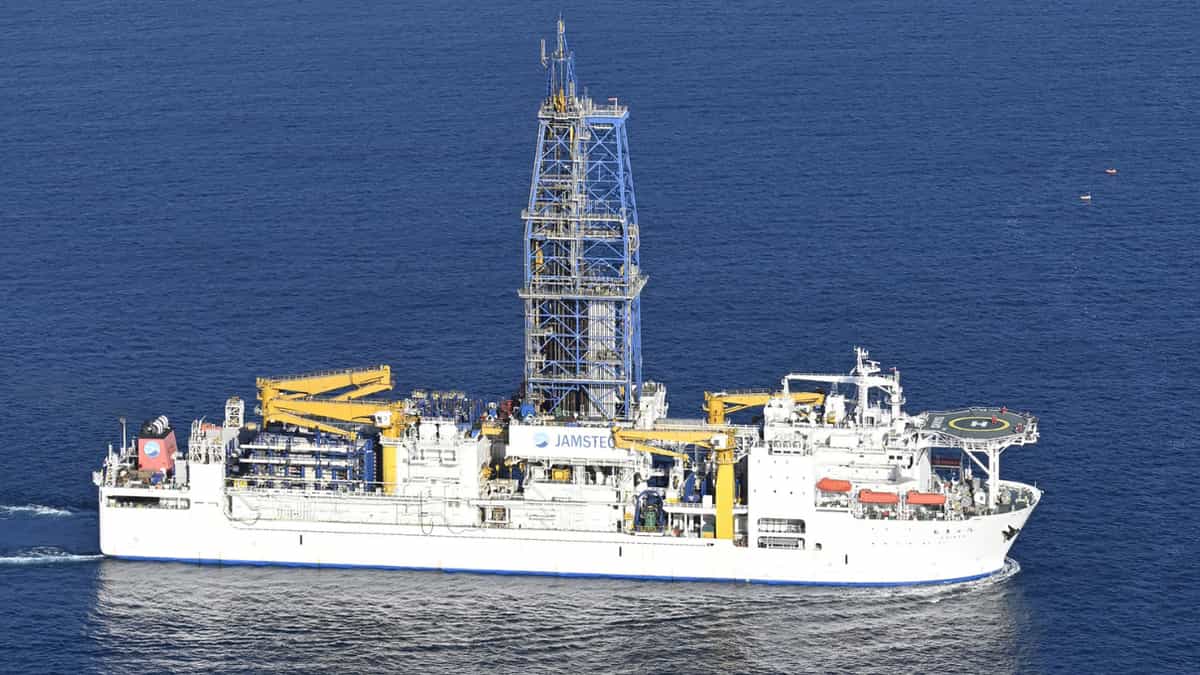
Japan sets 6,000-metre rare-earth test, but seabed output is not refined supply
A short lift trial reached the surface, but Minamitorishima’s next campaign must test endurance, cost and environmental controls.
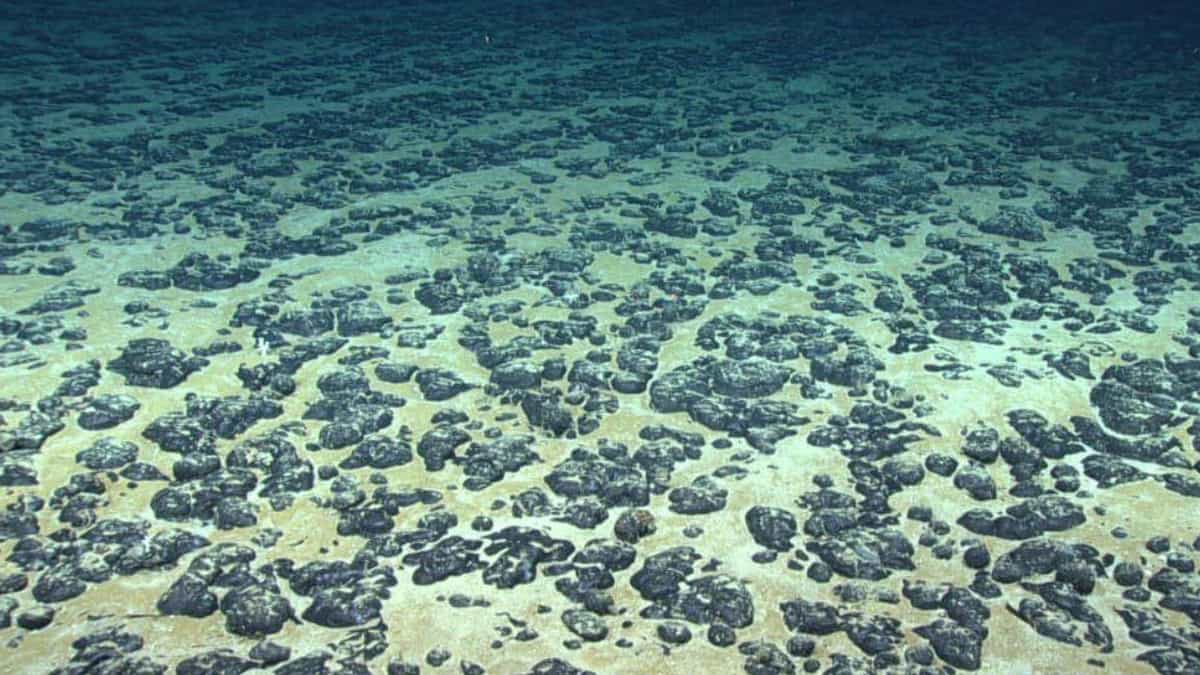
U.S. Pacific seabed auction draws US$6 million, but leases face court challenge
A judge found the federal review did not address the possible effects of later exploration and extraction stages.
AusIMM returns to Peru as talent shortages test Australia’s mining partnership
Peru’s deputy mines minister is due at a Lima forum, where bilateral ambitions meet the question of which skills future projects will need.