
U.S. Pacific seabed auction draws US$6 million, but leases face court challenge
A judge found the federal review did not address the possible effects of later exploration and extraction stages.
Why it matters: The bids put U.S. seabed mineral rights into play, but they do not establish that the deposits can be mined commercially or that development will clear environmental review.
US$6 million — total bids for the two areas
31.5 million acres — combined area off American Samoa, or about 12.7 million hectares
20 years — initial term of the concessions
US$3 million — minimum bid offered for each area
The United States’ first auction of federal ocean mineral concessions drew US$6 million in bids on November 19, with Wetstone U.S. Ventures the sole bidder for two areas off American Samoa. The company offered the minimum US$3 million for each area, giving it a provisional position to obtain both concessions, according to the U.S. Department of the Interior. Final awards remain subject to the required procedures.
Concessions are not approval to mine
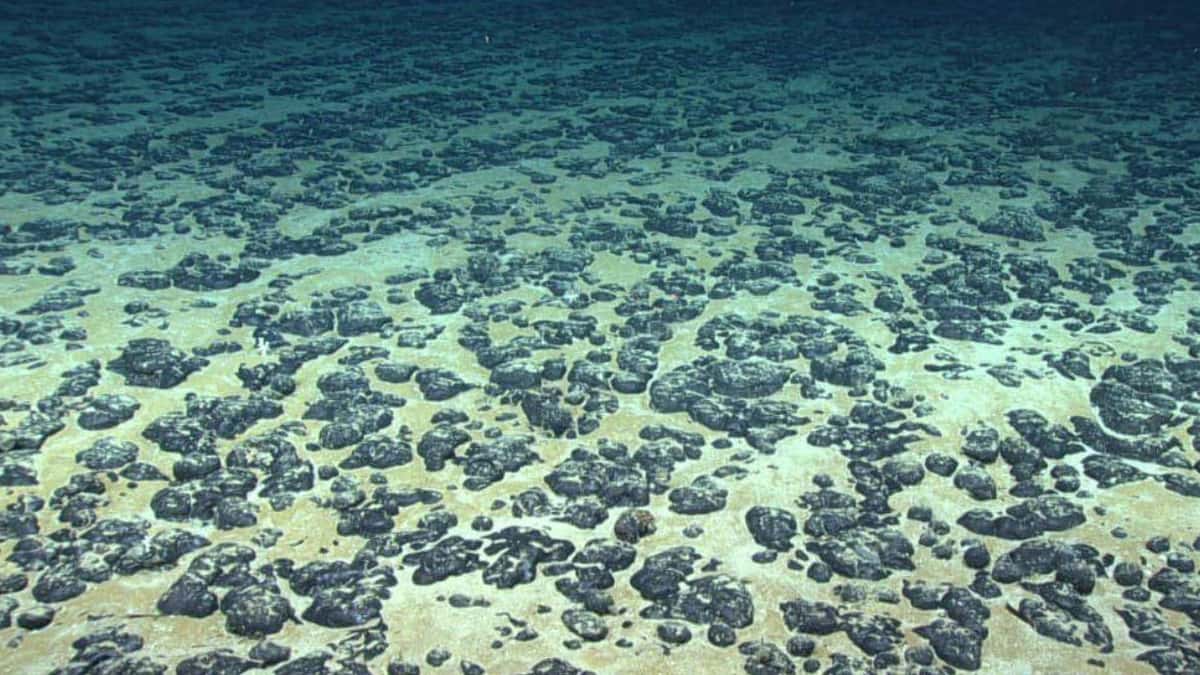
The PACM-1 auction covered a combined 31.5 million acres (about 12.7 million hectares) in the Pacific. The areas have potential for polymetallic nodules and ferromanganese crusts that may contain nickel, cobalt and manganese, which are used in batteries, electronics and industrial technologies.
That potential does not amount to a mineral resource or prove economic viability. Further work would be needed to establish the deposits’ composition, concentrations and commercial prospects. The US$6 million represents bids for the rights, not the investment required to develop an operation.
The concessions have an initial 20-year term. Holders can use that period to characterise deposits and seek additional authorisations, but the award itself does not permit commercial extraction. Evaluation, testing and production would require specific plans approved by authorities. The government has not confirmed a date for commercial production.
The auction is part of a U.S. effort to develop domestic sources of minerals used in advanced technologies, manufacturing and defence, following an executive order issued by President Donald Trump in April 2025. The administration has argued that seabed resources could help reduce reliance on foreign suppliers.
Environmental ruling leaves a regulatory hurdle
The auction took place three days after U.S. District Judge Jill Otake ruled that the National Marine Fisheries Service had violated the Endangered Species Act in its review of the concessions. The November 16 decision set aside the agency’s environmental concurrence letter, finding that its assessment considered preliminary activities but did not adequately address potential effects from later exploration and extraction.
The ruling did not expressly halt the auction, and the Marine Minerals Administration proceeded with the sale. The Interior Department said it had begun further environmental consultations in response to the court’s findings. Community groups and environmental organisations have also brought legal challenges and raised concerns about potential effects on marine ecosystems, protected species and fisheries.
The next steps include completing the concession-award procedures and addressing the environmental review issues. Even if the rights are finalised, exploration and any eventual production will require further technical work and regulatory approvals.
More in Critical Minerals

AusIMM returns to Peru as talent shortages test Australia’s mining partnership
Peru’s deputy mines minister is due at a Lima forum, where bilateral ambitions meet the question of which skills future projects will need.
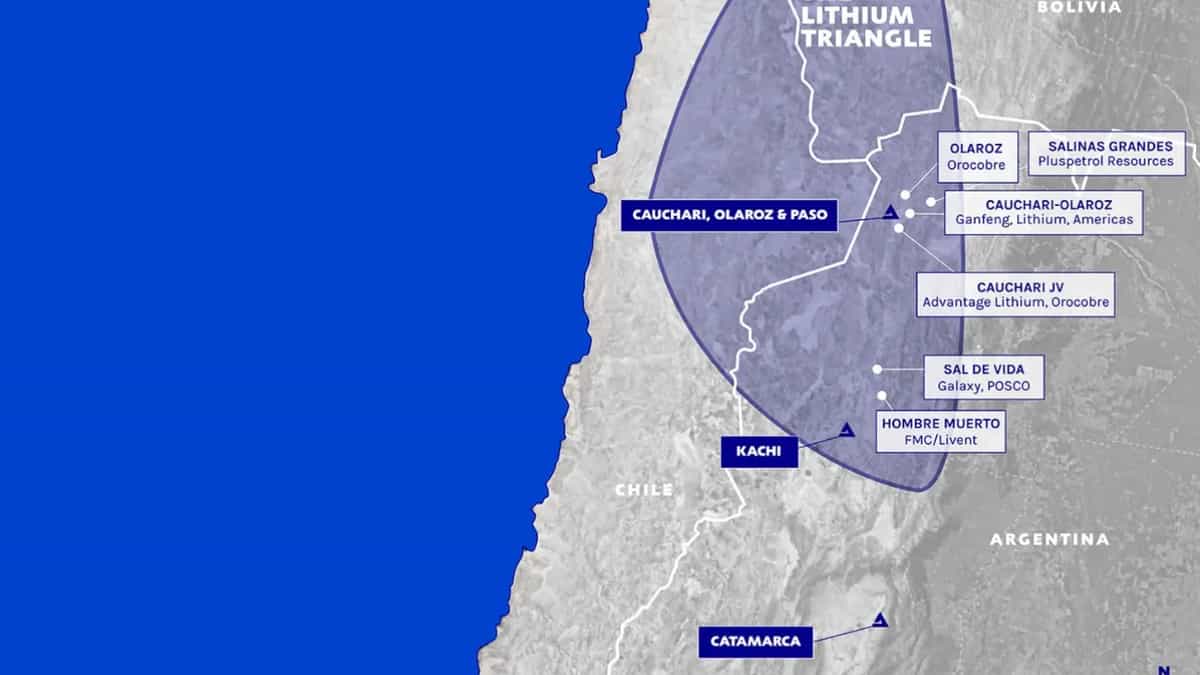
Lake Resources seeks Argentina’s RIGI for Kachi as financing remains unsettled
The Catamarca lithium project is entering a regulatory review after years of delays, but the filing does not settle what must happen before construction.
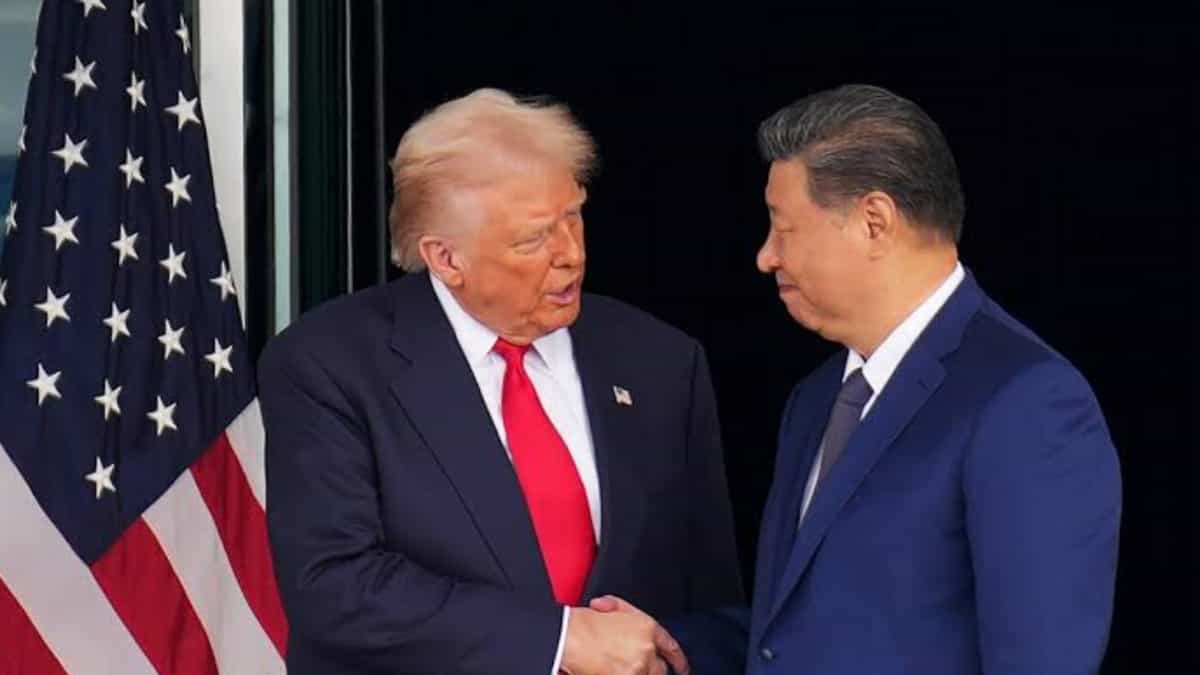
Trump and Xi agree to draft stability plan as rare-earth dispute remains
The meeting unfolded against a stark imbalance in permanent-magnet manufacturing, a bottleneck for electric vehicles, defence and AI hardware.