
Indonesia weighs a 70% state take from mining as nickel investment faces new risk
Foreign-funded nickel processing sits at the centre of a proposal whose treatment of existing contracts remains unresolved.
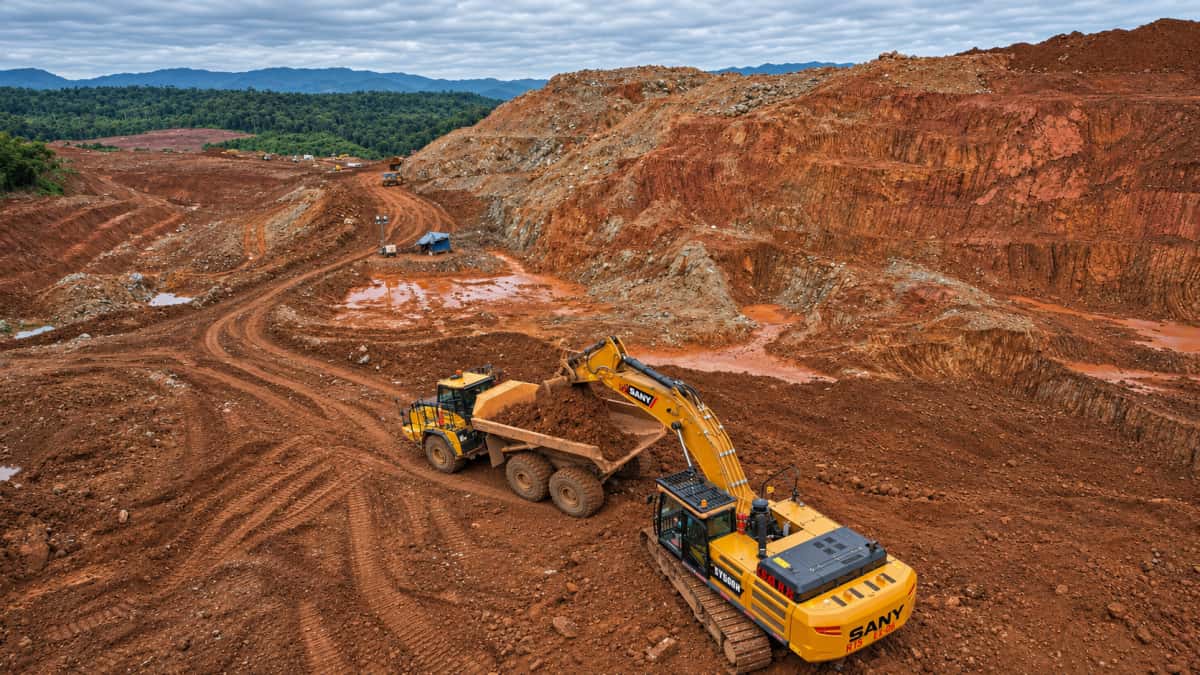
Why it matters: A change to how mining benefits are divided could reshape investment decisions in Indonesia, a major supplier of nickel and other commodities.
70% — the state share of mining benefits President Prabowo Subianto is seeking to secure.
2020 — the year Indonesia began enforcing its ban on exports of unprocessed nickel ore.
About 32% of sales — public revenue cited in examples from the coal sector, compared with company profits below 10%.
Indonesia is considering ways for the state to capture at least 70% of benefits from mining, but the government has not settled how that share would be calculated or applied. Energy and Mineral Resources Minister Bahlil Lahadalia said on Nov. 23, 2026, that officials were assessing options including a larger share of mining revenues and state ownership of up to 70% in certain future operations.
The proposal is not an approved law, and the government has said existing contracts will be respected. Its eventual reach will depend on how rules distinguish between current operations, new concessions and investments that have yet to be recovered.
Revenue and ownership would produce different outcomes
The proposal followed President Prabowo’s public call on Nov. 14 for mining activities conducted under permits to deliver a substantially larger share of their benefits to the state. Investors could first recover committed capital under the approach being considered, but the details remain open.
A 70% share of company ownership is not equivalent to 70% of revenue or 70% of profit. Each model would affect project costs, tax obligations, financing and returns differently. The proposed target does not amount to an announced 70% tax on mining profits, nor does it require all companies to transfer a majority stake immediately.
For existing operations, the government has discussed increasing public participation in revenues while preserving current contracts. For future agreements, a larger state ownership requirement remains among the possible approaches. Whether the policy reaches operating mines, concession renewals or only new projects has not been determined.
Nickel processing is exposed to the investment debate
Nickel is a central concern because Indonesia has built substantial processing capacity with foreign investment, particularly from Chinese investors. The 2020 ban on exports of unprocessed nickel ore accelerated construction of smelters, metallurgical facilities and industrial complexes. Sulawesi developed into a hub serving stainless-steel production and some battery-material supply chains.
Those facilities require significant capital, energy, port infrastructure and long-term supply agreements. A change to the distribution of project benefits could alter the economics of new investments, especially for developments with high construction costs or long payback periods. The policy question is whether the state can increase its share without weakening the investment conditions that supported the build-out.
Copper and coal face different calculations
The government’s proposal also covers copper and coal. Indonesia is a major thermal coal exporter and hosts significant copper operations, including the Grasberg complex in Papua. In coal-sector examples raised during the debate, public revenues were estimated at about 32% of sales while company profits were below 10%. Those figures are not an average for Indonesian mining, but they illustrate why the definition of “benefits” matters.
Copper projects bring another financing challenge: large upfront spending on mine expansions, processing, smelting and infrastructure can precede operating revenue. The treatment of those investments would influence how any state share affects project funding and returns.
Indonesian energy and mining-linked shares fell during the week after Prabowo’s remarks, reflecting investor caution, according to the reported market reaction. The government still needs to define what counts as mining benefits, how existing investments and contracts will be treated, and whether rules will vary by commodity. Until those decisions are made, the 70% target remains a policy proposal rather than a changed distribution of mining revenues or ownership.
More in Critical Minerals
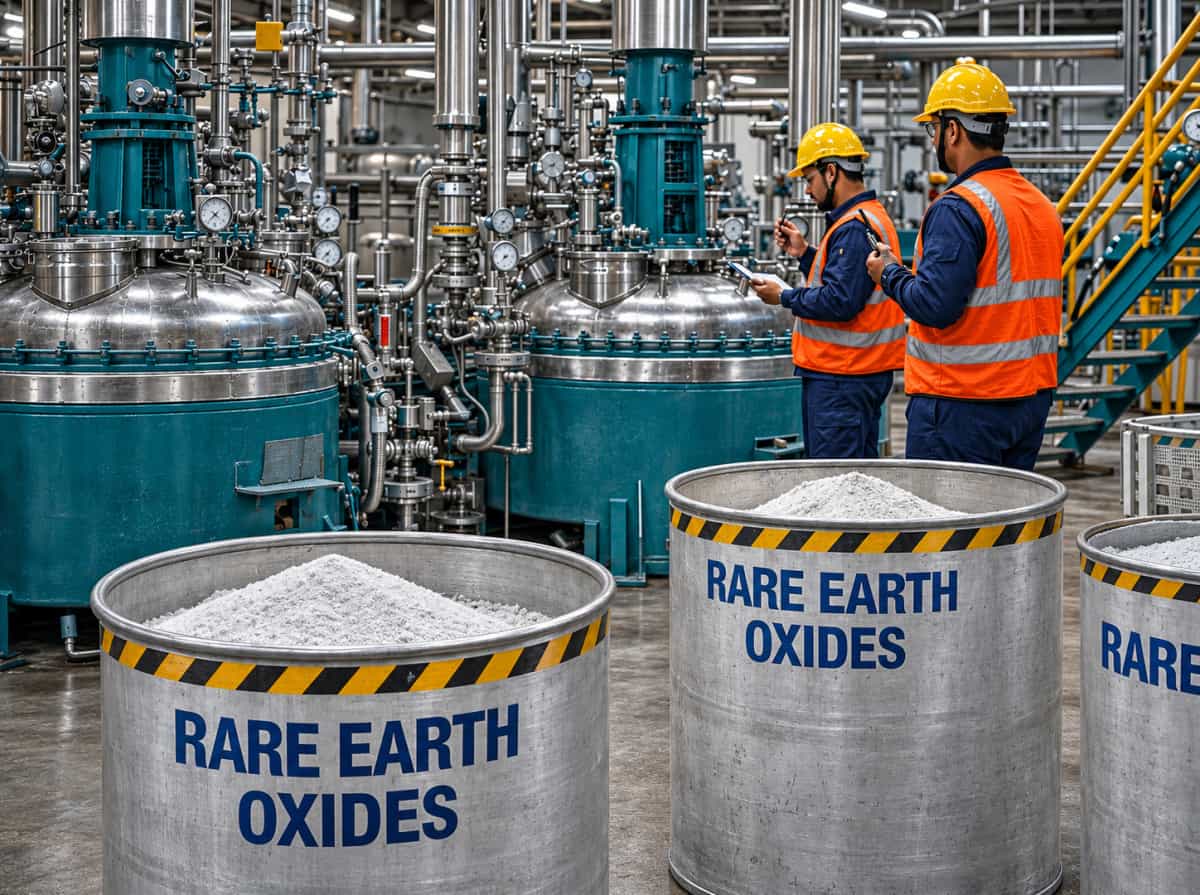
Vietnam's US$61 million rare earth plant puts separation technology to the test
At Hai Phong, the project is designed to turn mixed oxides into individual products, but its performance will depend on separating chemically similar elements.
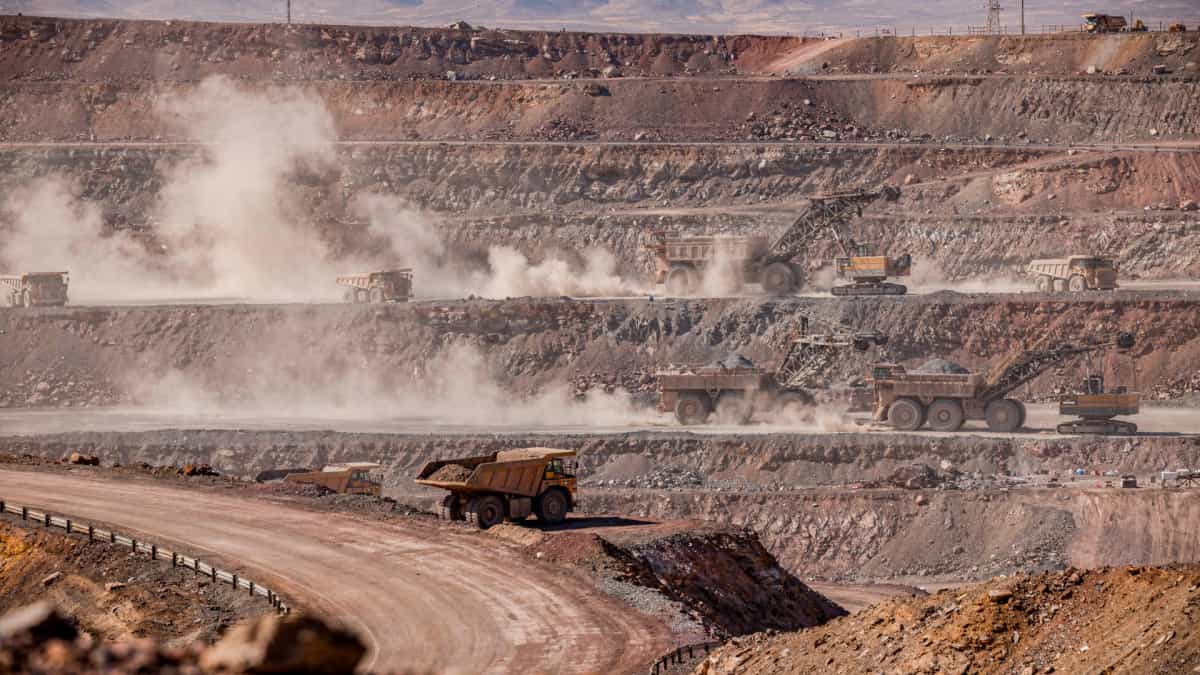
Legacy Minerals adds scandium to NiCo Young, but recovery remains unverified
The addition lifts the project's scale, while a pending licence and a key processing assumption shape what can be counted on.

Antofagasta court rejects Coyo challenge to Codelco-SQM lithium pact, for now
Coyo argued SQM was selected without a public tender, putting the structure of Chile’s state-led lithium strategy under scrutiny.