
Germany courts Australia’s critical minerals as a strategic stockpile gap persists
Eighteen German companies attended IMARC, but the supply-security effort also hinges on financing, procurement and who carries the risk.
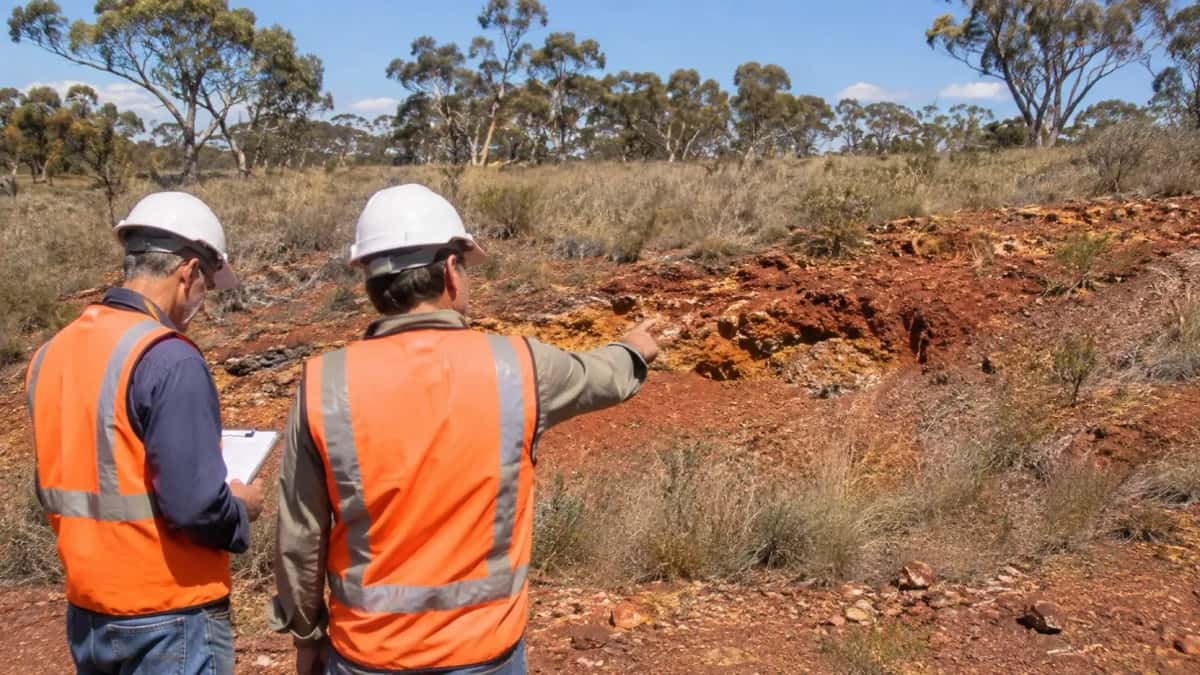
Why it matters: Germany’s effort to secure minerals from Australia highlights the gap between commercial supply deals and the public buffers needed to withstand disruptions.
Less than 2% — share of Germany’s total imports represented by critical minerals.
US$1.5 trillion — European downstream production potentially at risk under total rare-earth export controls, according to an IEA estimate cited by Deutsche Bank.
€50 million — German Raw Materials Fund investment in Arafura Rare Earths’ Nolans project.
10,000 tonnes a year — minimum proposed Evion graphite offtake over five years, about 26% of forecast first-stage output.
Germany sent 18 companies to IMARC in Sydney as it sought to strengthen critical-minerals ties with Australia. The delegation’s visit came as Deutsche Bank warned that Germany and Europe remain heavily reliant on China for several minerals, with limited progress in diversifying supply in recent years.
The exposure is concentrated in materials that underpin defence, semiconductors, batteries, renewable energy and advanced manufacturing. Although critical minerals account for less than 2% of Germany’s total imports, Deutsche Bank said a supply interruption could have disproportionate consequences for production. The bank cited an International Energy Agency estimate that total export controls on rare earths could put more than US$1.5 trillion in downstream production in Europe at risk. That is a measure of potential exposure, not losses that have occurred.
Supply risk reaches beyond trade volumes
The concern coincides with a recovery in industrial activity supported by higher defence spending, electricity-grid expansion and infrastructure investment, according to the bank’s analysis.
So far, companies have borne most of the responsibility for managing supply risks. Public policy has focused on financing and diversification, while strategic stockpiling remains a gap. Deutsche Bank pointed to emerging efforts including government-industry coordination, proposed joint purchasing, long-term supply agreements, contributions to the EU’s pilot stockpiling programme and early investments from the German Raw Materials Fund. Muehlberger said current financing does not match the importance of secure access for defence and the energy transition.
The bank identified a specialised institution, more funding for projects, market-support tools and recycling as possible ways to improve resilience. It did not say those measures had closed the supply gap.
Projects link Australian supply with European buyers
Arafura Rare Earths has begun construction at its Nolans project in Australia’s Northern Territory. The German Raw Materials Fund contributed €50 million in equity, and Arafura has an offtake agreement with Siemens Gamesa Renewable Energy for 520 tonnes of neodymium-praseodymium a year, equivalent to about 15% of planned production.
Perth-based Evion Group signed a binding term sheet for a proposed future purchase of natural graphite concentrate from its Maniry project in Madagascar. An unnamed German producer would take a minimum of 10,000 tonnes annually for five years, about 26% of expected output from the first stage. Maniry is outside Australia, but the EU has designated it a strategic project under its Critical Raw Materials Act.
Everest Metals was accepted into the EU Raw Materials Mechanism, which connects European buyers with suppliers, financiers and storage providers. Its Mt Edon rubidium project in Western Australia was selected as Australia’s representative and one of five global sites for the German government-funded Geo Spectral Exploration programme. The planned five-year programme offers research funding, technical support and exploration tools including EnMAP hyperspectral satellite data and multiscale imaging spectroscopy. Everest also signed a cooperation agreement with the Helmholtz Centre GFZ for Geosciences.
Caravel Minerals expects to publish a definitive feasibility study for its Caravel copper project before year-end. Earlier this year, it received a non-binding letter of interest from KfW IPEX for up to US$220 million in senior debt backed by Finnvera; financing discussions are expected to intensify after the study is published.
More in Critical Minerals
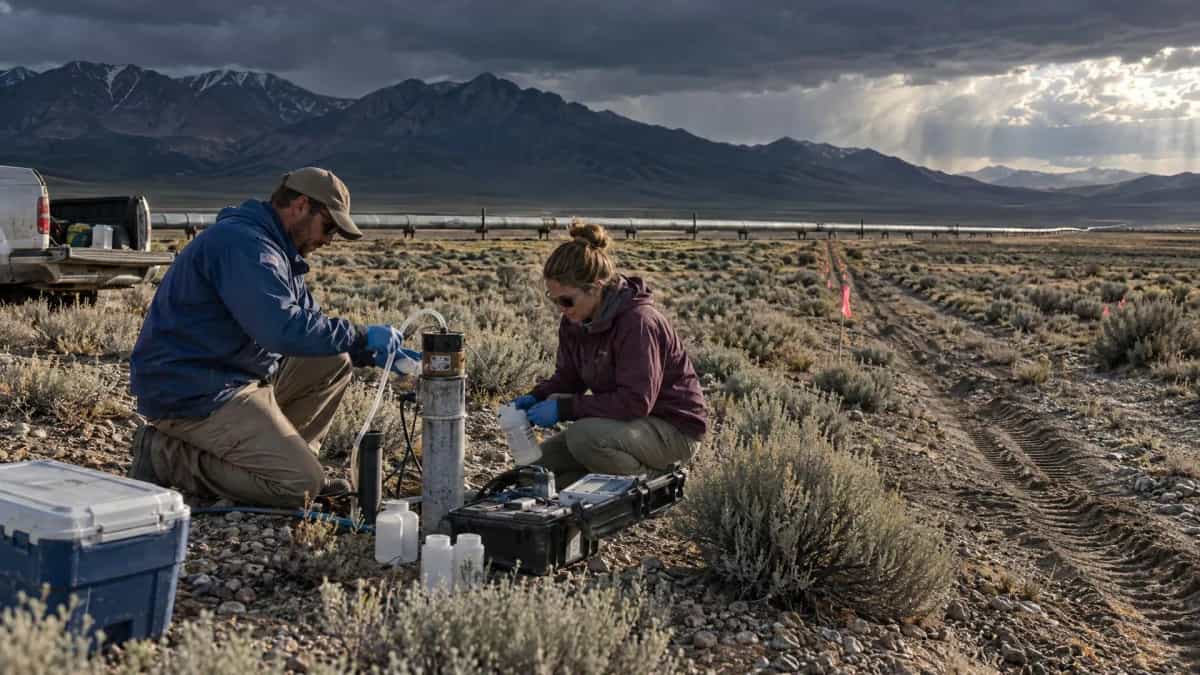
BLM advances Century Lithium’s Angel Island review, but mine approval remains ahead
Nevada’s proposed open pit, processing plant and water infrastructure are all within the scope of the federal environmental review.
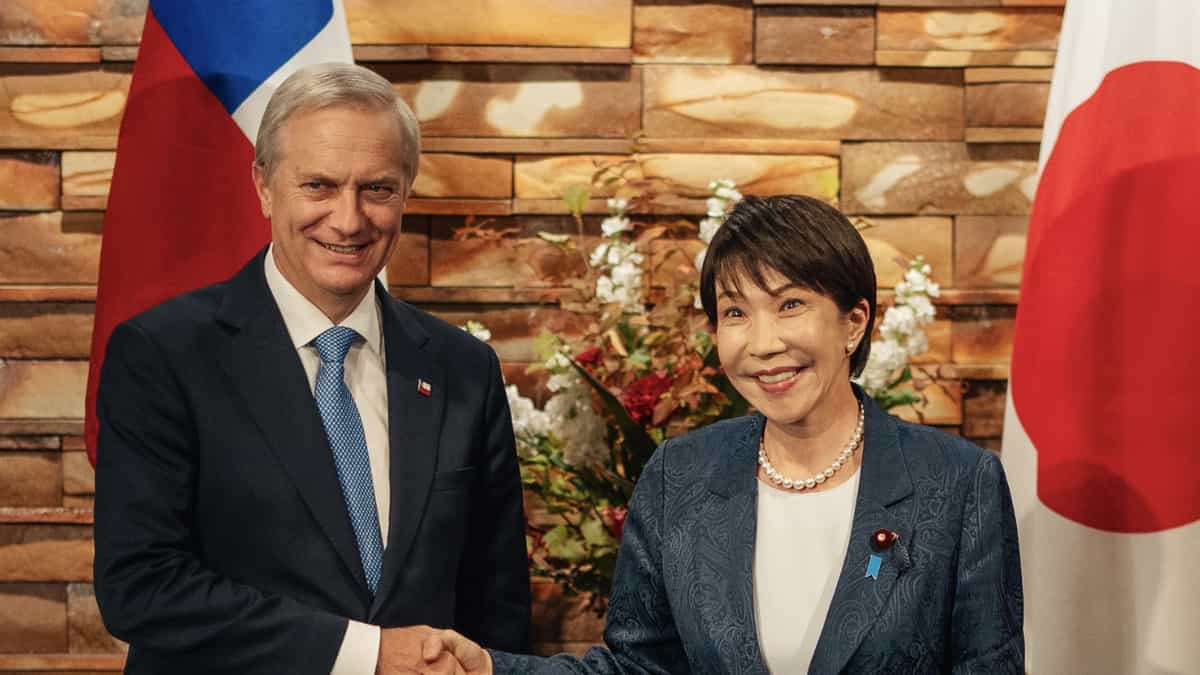
Chile and Japan deepen critical-minerals ties as El Teniente tests remote mining
Their Tokyo agenda links copper supply security to optical-network technology, while the project’s operational reach remains to be established.
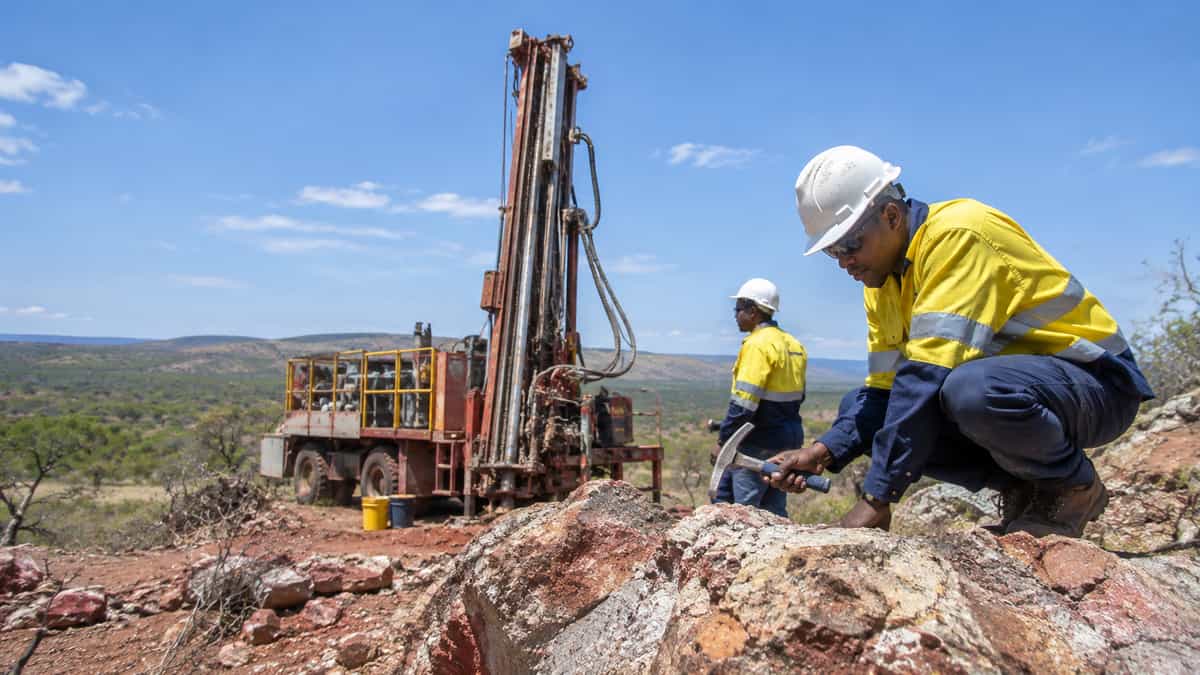
Kenya picks Bunker Hill consortium for Mrima Hill talks, but no licence yet
The proposal hinges on whether old NI 43-101 estimates can be verified and a culturally sensitive site can clear permitting.