
E3 Lithium starts Clearwater scale-up tests as commercial design moves into 2027
The Alberta pilot has produced more than 80,000 cubic metres of brine, but its next equipment configuration must provide data for plant design.
Why it matters: Clearwater’s commercial design depends on demonstrating that direct lithium extraction can meet the company’s recovery and product-purity targets at larger scale.
More than 80,000 cubic metres — brine produced during the second demonstration phase
At least 90% — E3 Lithium’s target for lithium recovery through direct extraction
99.5% — minimum target purity for the resulting lithium carbonate
C$36.5 million — maximum non-repayable federal funding supporting the program and engineering
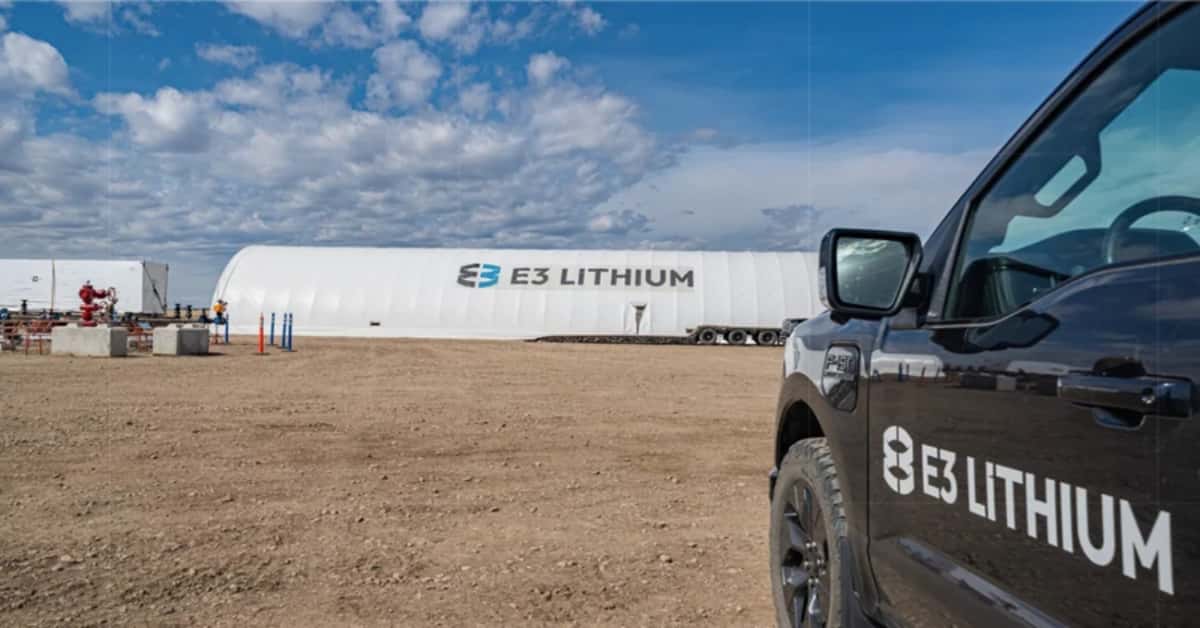
E3 Lithium has started the third and final phase of its demonstration program at the Clearwater project in Alberta, restarting a 30-column direct lithium extraction (DLE) system to test brine processing and generate data for the commercial plant design. A later part of the phase is intended to test a larger single DLE column, which the company expects to implement in 2027.
The work follows completion of the second phase, which included building and operating production and reinjection wells designed around parameters in the project’s pre-feasibility study. The system produced more than 80,000 cubic metres of brine from the Leduc reservoir. E3 Lithium also collected about 350 samples to analyse brine chemistry and gas content.
Clearwater tests DLE recovery and product quality
The 30-column system, installed during the first phase of the program, will process Leduc reservoir brine to separate lithium and produce a concentrated lithium chloride solution. That solution will pass through purification and carbonation equipment, with the aim of producing battery-grade lithium carbonate.
E3 Lithium’s operating targets are lithium recovery of at least 90% through DLE and a minimum lithium carbonate purity of 99.5%. These are objectives for the demonstration work, not reported results. The company said the testing is intended to assess process performance before moving to larger-capacity equipment.
The planned larger column is intended to increase processing flow and lithium chloride output. E3 Lithium expects to integrate it with the existing purification and carbonation units during 2027. Results are intended to inform technical assessments by potential investors, strategic partners and buyers.
Engineering work and regulatory review continue
The second phase began operating in June 2026 but took longer than planned after facility adjustments and repairs were needed to maintain safe operating conditions. E3 Lithium said some engineering deliverables needed to complete front-end engineering and design (FEED) will therefore continue into 2027. The company plans to incorporate production-test results, brine characterisation and equipment performance into Clearwater’s final design.
The demonstration and engineering activities are supported by up to C$36.5 million in non-repayable funding from the Government of Canada through Natural Resources Canada’s Global Partnerships Initiative.
Separately, the Alberta Energy Regulator has moved Clearwater’s D056 application for a future central processing facility into its second and final assessment stage, which includes a formal hearing. The regulator is to set the process timetable and conditions before deciding on the application.
Commercial development still has conditions to meet
Before commercial construction can proceed, E3 Lithium needs to complete larger-scale DLE testing, advance permitting, prepare a Class III cost estimate and secure binding supply agreements with buyers, according to the company.
Clearwater has 16.2 million tonnes of measured and indicated mineral resources, expressed as lithium carbonate equivalent (LCE). The project’s 2024 pre-feasibility study also identified 1.13 million tonnes of proven and probable reserves, expressed as LCE. E3 Lithium’s current commercial strategy envisages a first production phase of about 12,000 tonnes of lithium carbonate a year, subject to engineering, permits and financing. The next technical step is to test the larger DLE column and incorporate the results into the design work continuing through 2027.
More in Critical Minerals
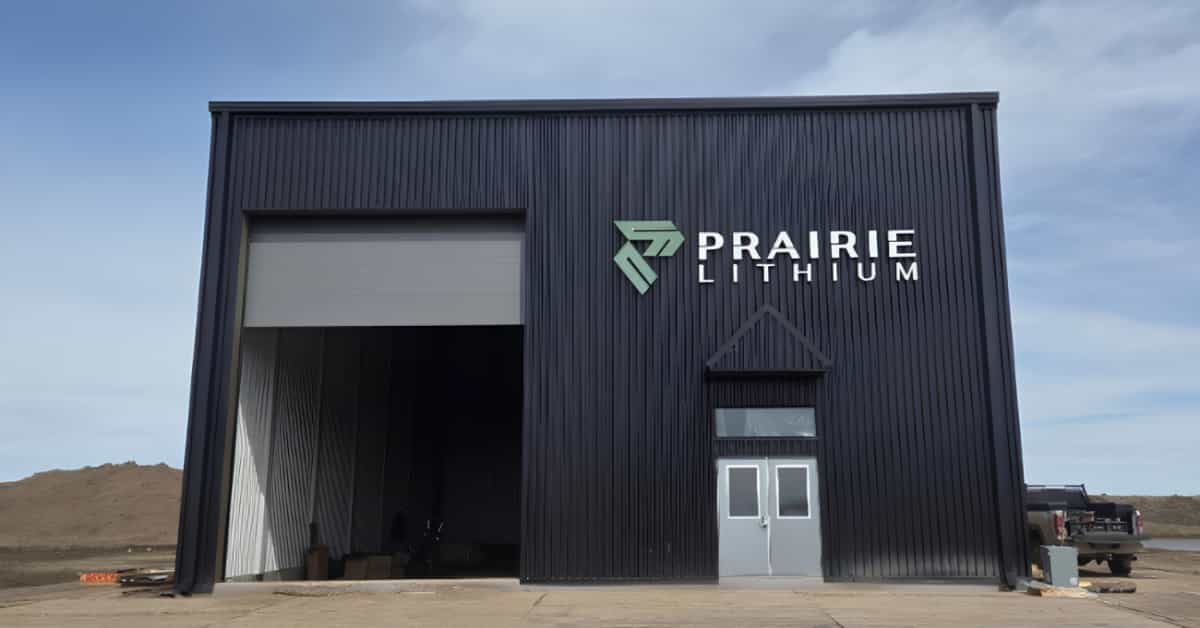
Prairie Lithium brings first brine to surface in Saskatchewan, with processing still ahead
The project’s first phase hinges on integrating a four-column DLE unit with the well and site infrastructure.
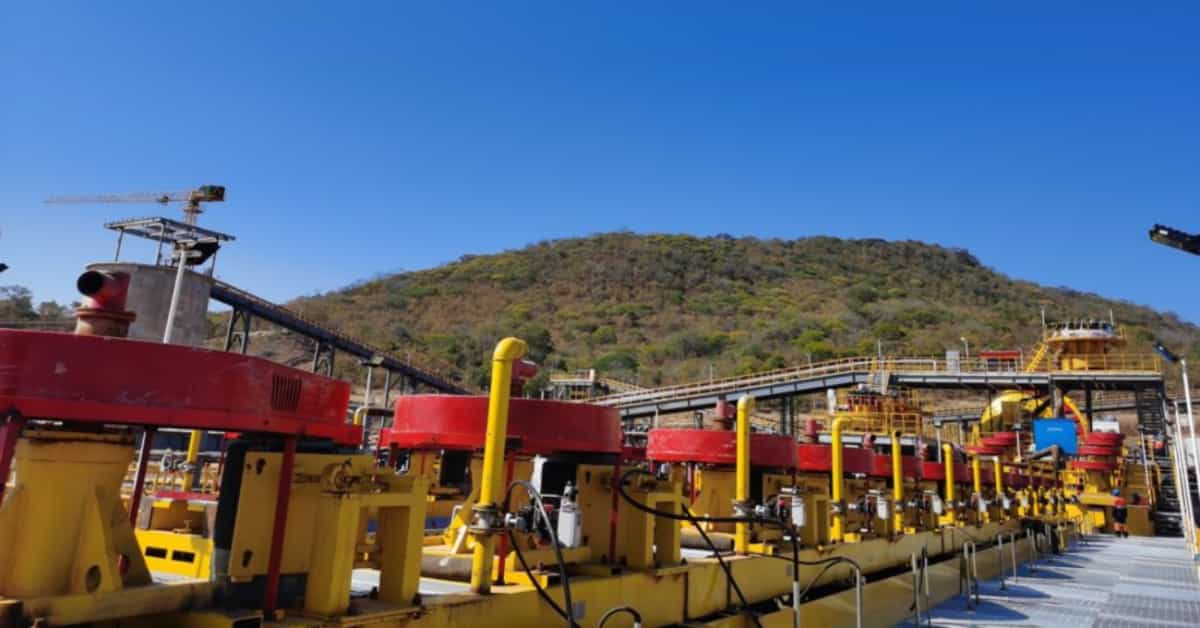
DR Congo’s cobalt export halt returns as quotas fail to arrest price slide
The 2026–27 export cap had not stopped prices falling as weaker consumption and rising inventories kept supply ahead of demand.
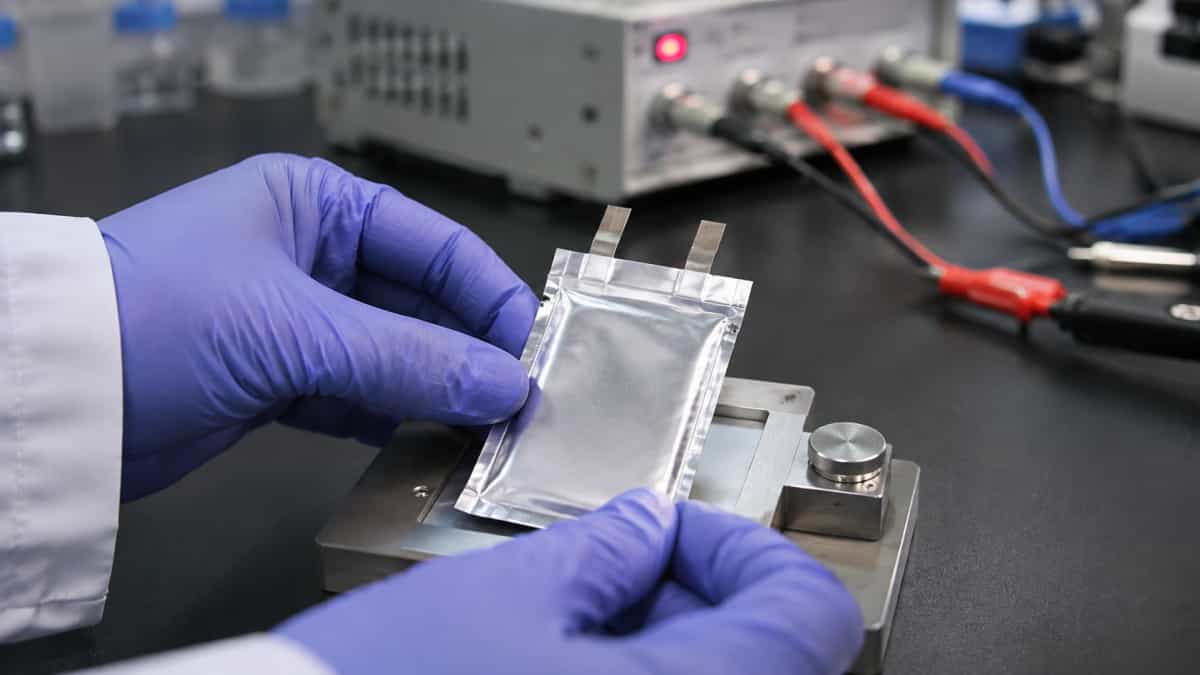
China’s anode-free sodium battery takes on a cycle-life problem
Removing hard carbon from the cell leaves sodium vulnerable to irreversible losses during repeated charging and discharging.