
BYD and Tsingshan abandon US$523m Chile lithium plans as Corfo seeks a replacement
Chile offered preferred SQM lithium pricing through 2030 to attract battery-material makers; a new Albemarle allocation is the next test.
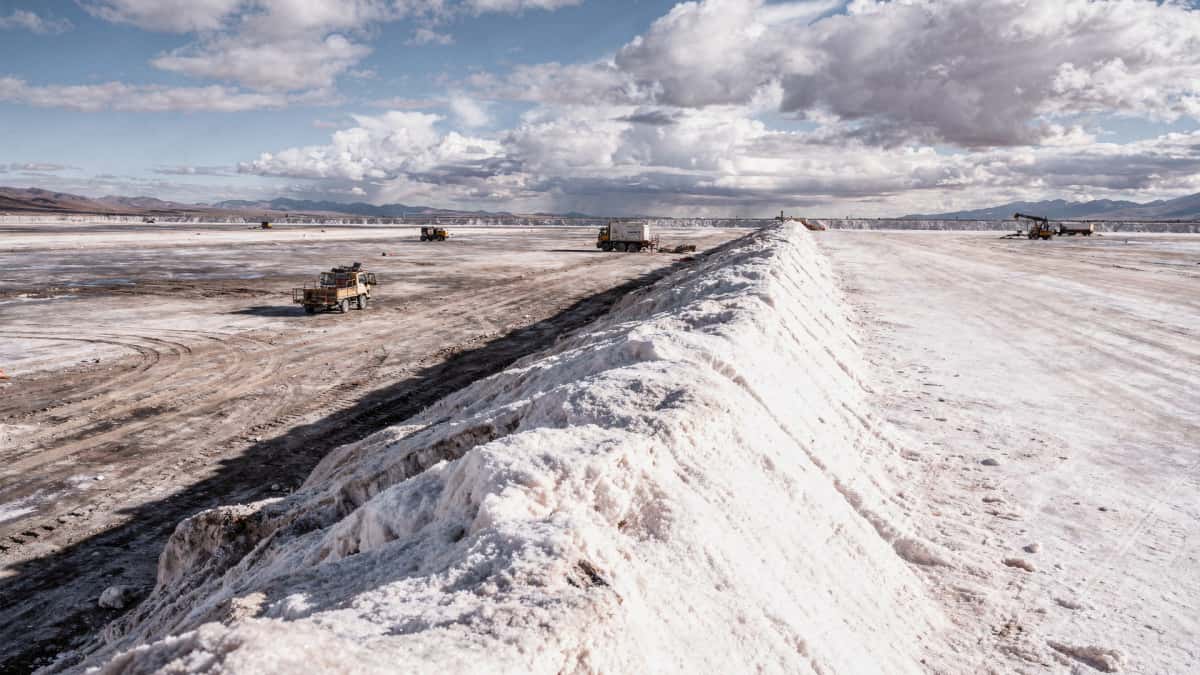
Why it matters: The withdrawals leave Chile’s plan to link preferential lithium access with domestic battery-material manufacturing without either of its two selected projects.
US$523 million — combined projected investment for the two plants
1,168 jobs — direct employment projected across both projects
9,599 tonnes a year — lithium carbonate covered by Corfo’s current Albemarle-linked call
BYD and Tsingshan have formally abandoned plans for lithium-product plants in Chile’s Antofagasta Region, shelving projects that together represented US$523 million in projected investment and 1,168 direct jobs. Neither plant was built.
BYD proposed a lithium cathode plant in Antofagasta with an estimated investment of US$290 million. Tsingshan planned a battery factory in Mejillones, with projected investment of US$233 million. Both proposals were part of Chile’s National Lithium Strategy, which sought to move beyond extraction and develop higher-value industrial activity.
Preferred lithium access was central to the projects
Chile’s development agency Corfo selected the companies as “specialised producers,” linking access to lithium with plans to manufacture downstream products. The offer included preferential lithium prices from SQM through 2030, intended to attract industrial investment.
The projects ended through different administrative routes. BYD filed a formal withdrawal request with the Antofagasta regional office of the Ministry of National Assets in January 2025. Tsingshan sought to change the company responsible for executing its project, but Chilean authorities did not approve the change.
The withdrawals leave both projects without a path to execution. Factors cited in accounts of the decisions included an 80% decline in international lithium prices, administrative difficulties and delays in processes such as land allocation. The relative influence of those factors was not specified.
Corfo turns to a new Albemarle-linked allocation
The two proposals were part of a broader effort presented by President Gabriel Boric in Beijing in October 2023 to generate more value from Chilean lithium. Their abandonment means the announced investment and employment will not materialise through these plants.
Corfo has said policies of this kind should be assessed over the medium and long term. It is now running a call tied to a new Albemarle lithium quota, offering preferential access to 9,599 tonnes of lithium carbonate annually through 2043 to attract other specialised producers.
That process provides another opportunity to apply the model used to select BYD and Tsingshan. The concrete next step is the outcome of Corfo’s current call; the agency’s stated terms extend the proposed access through 2043.
More in Critical Minerals
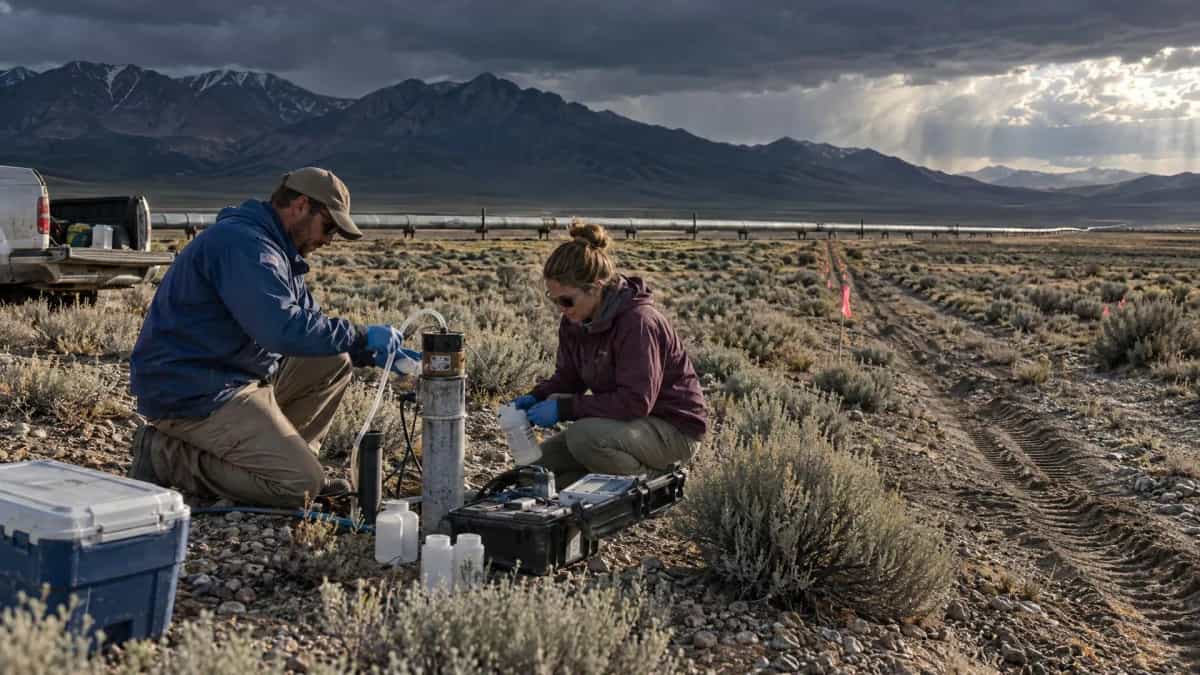
BLM advances Century Lithium’s Angel Island review, but mine approval remains ahead
Nevada’s proposed open pit, processing plant and water infrastructure are all within the scope of the federal environmental review.
Germany courts Australia’s critical minerals as a strategic stockpile gap persists
Eighteen German companies attended IMARC, but the supply-security effort also hinges on financing, procurement and who carries the risk.
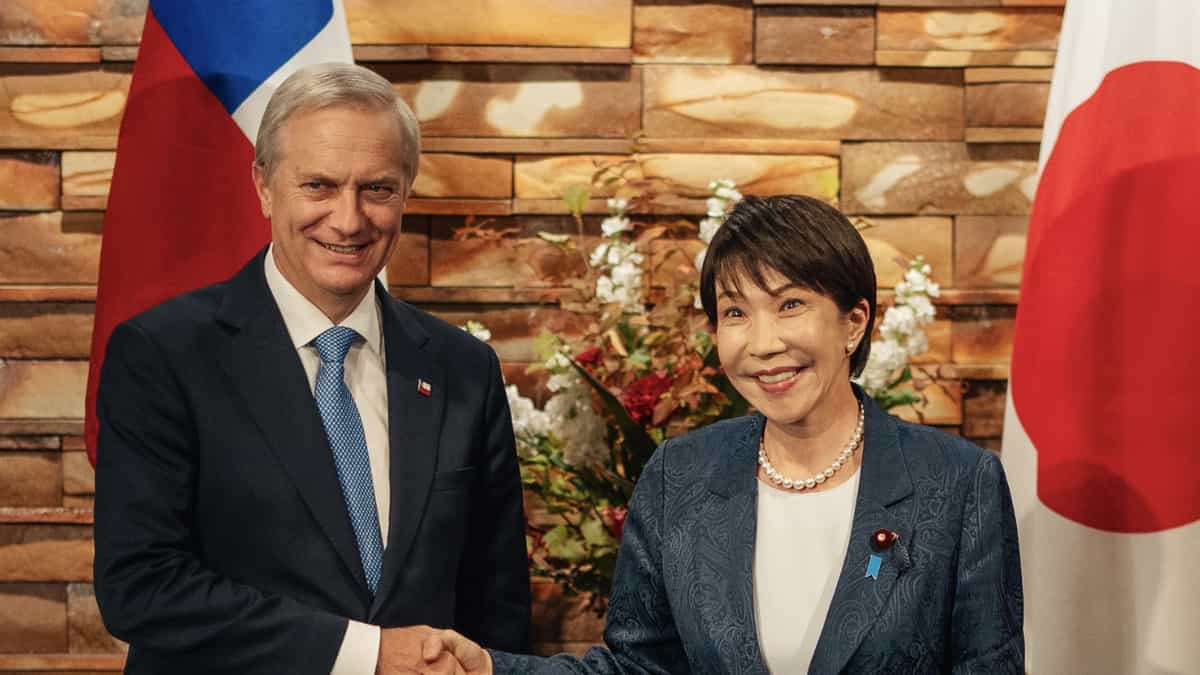
Chile and Japan deepen critical-minerals ties as El Teniente tests remote mining
Their Tokyo agenda links copper supply security to optical-network technology, while the project’s operational reach remains to be established.