
AI data-centre growth puts Chile’s copper and critical-mineral supply chains to the test
Global data-centre power use is projected to nearly double by 2030, while some essential materials rely on concentrated processing chains.
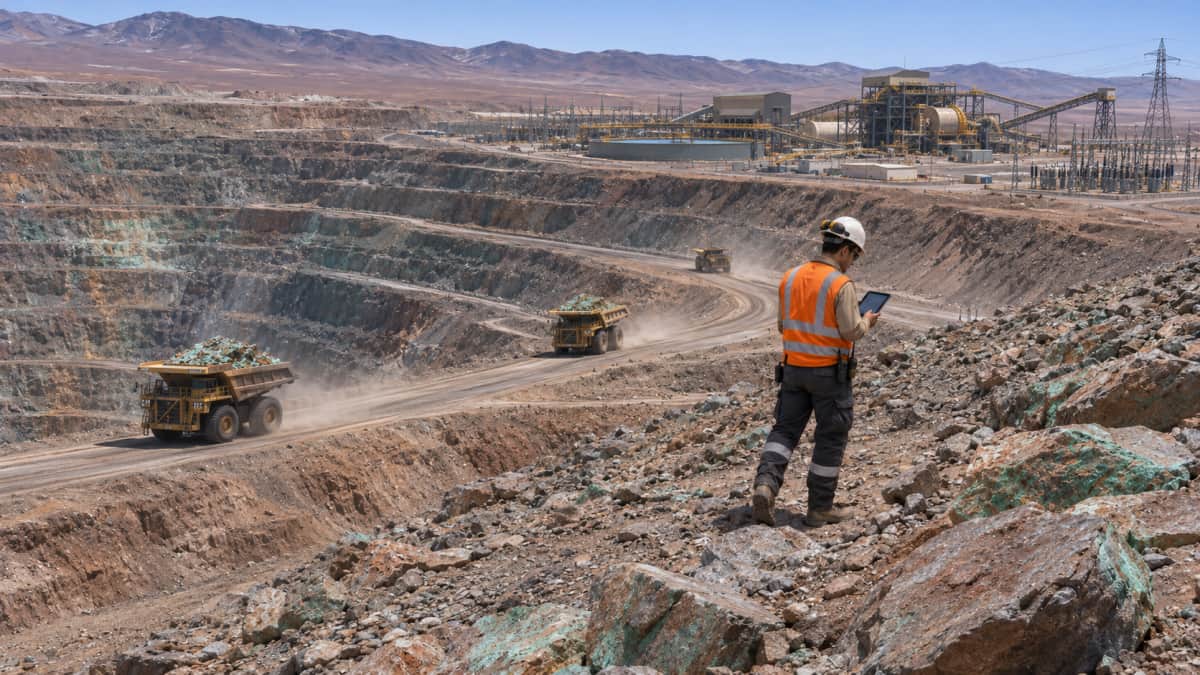
Why it matters: Rising demand from digital infrastructure could intensify competition for minerals whose supply depends on new mines, specialised processing or recovery as by-products.
485 TWh to about 950 TWh — projected global data-centre electricity use from 2025 to 2030.
Up to 11% — potential additional gallium demand from data-centre expansion, relative to the 2024 market.
About 25% — potential gap between projected copper needs and supply from existing and announced projects in 2035.
Global data-centre expansion is expected to increase demand for copper, gallium, lithium and other minerals, while exposing supply-chain constraints in mining, processing and refining. Updated 2026 projections put electricity consumption by data centres at 485 terawatt-hours (TWh) in 2025 and about 950 TWh in 2030, equivalent to around 3% of global electricity demand.
For Chile, the demand outlook presents an opportunity beyond its established copper and lithium exports, including potential recovery of valuable materials from mining residues and by-products. Capturing that value would require investment in processing and capabilities suited to each deposit and operation.
Gallium demand depends on by-product recovery
Gallium is used in advanced semiconductors and power electronics. Gallium nitride components can operate at higher frequencies and temperatures, with lower energy losses than some conventional technologies—a relevant property for data centres, where power-conversion efficiency affects operating costs.
The material presents a supply constraint: gallium is produced mainly as a by-product of processing feedstocks such as bauxite. Increasing supply therefore depends not only on mining more ore, but also on specialised recovery and refining capacity. The concentration of those capabilities leaves technology supply chains exposed to trade restrictions and disruptions.
International estimates suggest data-centre expansion could add demand equivalent to as much as 11% of the 2024 gallium market by 2030. The corresponding potential additions are more than 3% for rare earths used in magnets, up to 2% for copper and about 2% for silicon.
Copper needs extend beyond the data centre
Copper is required in servers, transformers, substations, power distribution and cooling systems. Direct data-centre consumption is estimated at 250,000 to 550,000 tonnes a year by 2030, excluding some of the wider electricity infrastructure needed to supply those facilities.
That demand comes on top of requirements from electric vehicles, renewable energy, construction and industrial modernisation. Projections updated in 2026 indicate that supply from the existing and announced mine project pipeline could fall about 25% short of projected global copper needs in 2035. The estimate signals pressure on the pipeline, rather than a certain future deficit: exploration, mine expansions and recycling could affect the balance.
Chile’s opportunity hinges on processing capacity
Lithium batteries could also support data-centre backup power, while greater use of renewable electricity may add demand for larger-scale storage. The extent of that opportunity is uncertain, as sodium-based and other storage technologies may compete with lithium.
Chile and the wider region could seek more value from minerals through processing and recovery. Latin America accounts for about 40% of global copper production and a quarter of lithium supply, but has a smaller role in several downstream processing stages. A regional processing scenario could raise the economic value of critical-mineral chains to about US$220 billion by 2035, roughly 50% above current levels, according to the estimates cited.
Recovery of materials such as rhenium, molybdenum and tellurium from tailings, metallurgical waste and smelter by-products would depend on the mineralogy and metallurgy of individual operations. Financing, infrastructure, technology, competitive energy and specialised skills would also shape whether Chile can develop those opportunities.
More in Critical Minerals
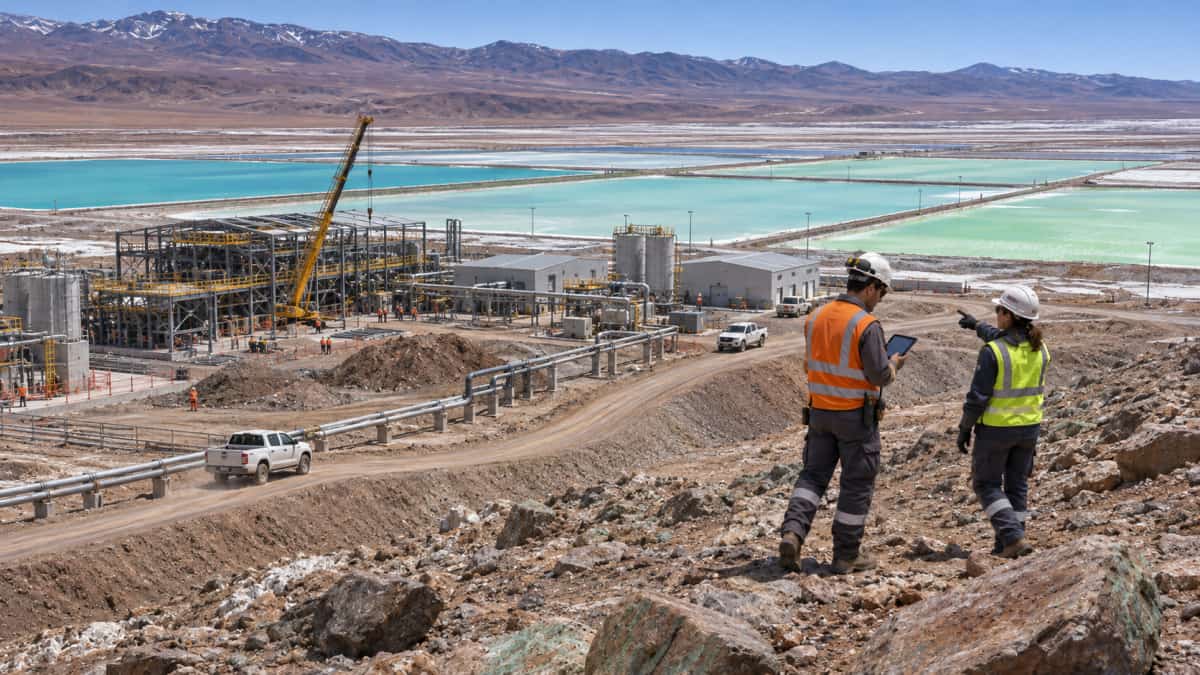
Argentina and Canada expand lithium plans, but each faces a different test
Cauchari-Olaroz is seeking a major capacity increase, while Canada's push extends from mine development to chemical conversion.
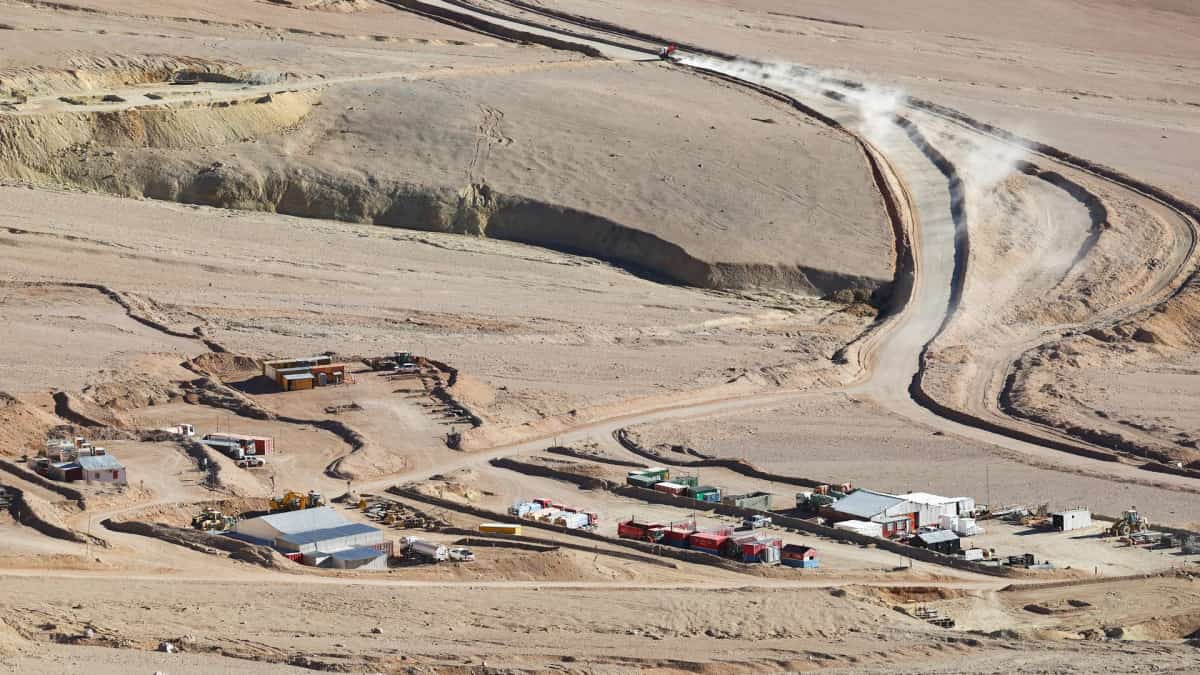
Argentina's mining megaproject ranking spans billions, but the totals use different bases
The ten-project list mixes initial build capital, expansion costs and RIGI declarations, while developers remain at sharply different stages.
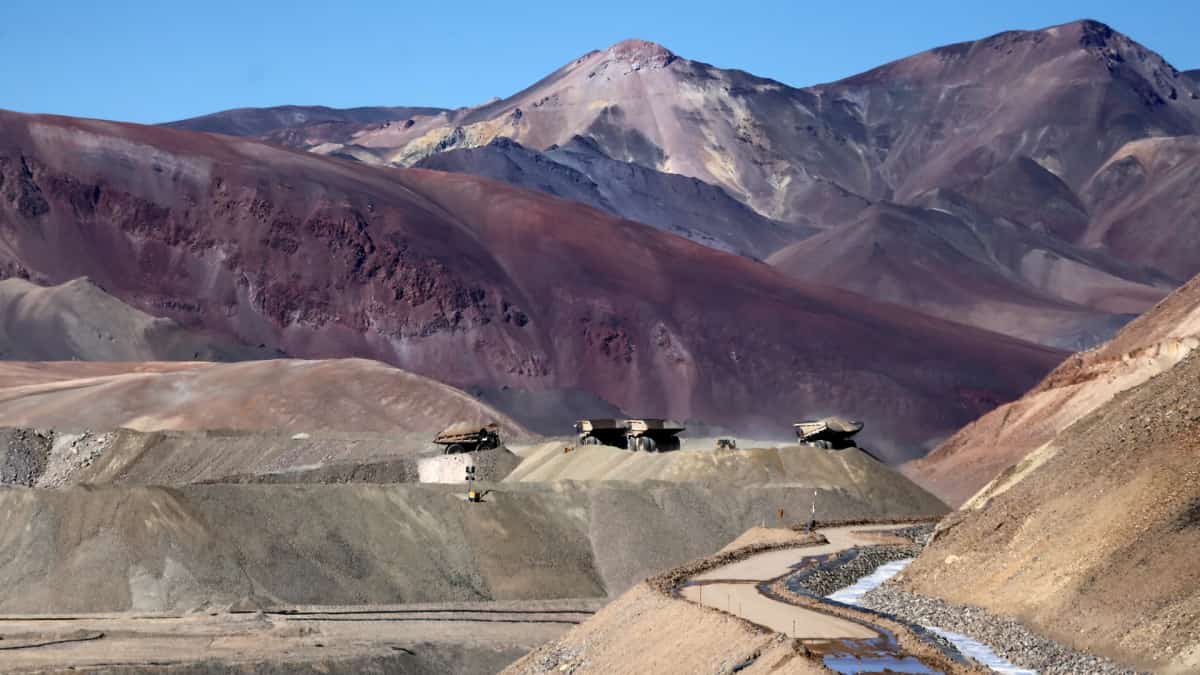
Argentina’s US$57bn mining expansion hinges on copper projects still awaiting decisions
The export forecast rests on a pipeline whose largest developments still need financing, permits and infrastructure.