
Argentina’s US$57bn mining expansion hinges on copper projects still awaiting decisions
The export forecast rests on a pipeline whose largest developments still need financing, permits and infrastructure.
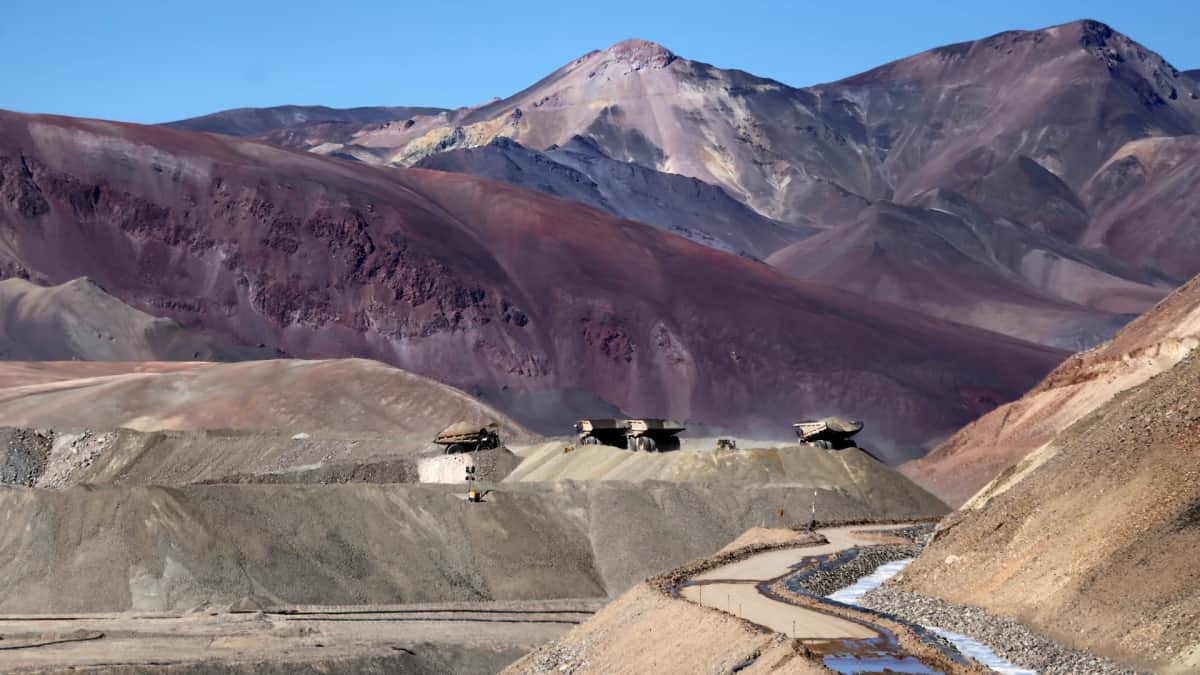
reuters.com
Why it matters: Argentina’s export ambitions depend on converting a large but mostly pre-production copper pipeline into funded mines, while building out its fast-growing lithium sector.
US$36.25bn — official mining export forecast for 2035, compared with US$6.075bn in 2025.
US$56.011bn — identified investment across copper, lithium, silver and gold projects; the government puts the overall requirement at about US$57bn.
1.64 million tonnes a year — projected copper output from projects in the government’s 2035 development scenario.
US$30.2bn — projected combined 2035 exports of copper and lithium.
Argentina’s Mining Secretariat forecasts mining exports will rise from US$6.075 billion in 2025 to US$36.25 billion in 2035, as copper projects advance and lithium production expands. The government’s April 2026 projections imply a sharp change in the export mix, but the investment estimate is a requirement—not capital already financed or spent.
Exports reached US$7.455 billion between January and October 2026, up 52.5% year on year and 23% above the full-year 2025 total. The Secretariat’s projection for 2026 is US$7.662 billion, while the Argentine Chamber of Mining Companies has said exports could exceed US$9 billion.
Copper projects carry the largest investment requirement
Copper accounts for US$41.19 billion of the US$56.011 billion in identified investment, reflecting the scale of the infrastructure, concentrators, power, industrial water and transport systems required. The Secretariat’s forecast has copper exports rising from US$13 million in 2025 to US$18.712 billion in 2035. Lithium exports are projected to reach US$11.493 billion that year, while gold exports are forecast to fall from US$5.697 billion in 2030 to US$3.448 billion in 2035.
The project pipeline is concentrated in San Juan, Catamarca, Salta and Mendoza. Vicuña, combining the Josemaría and Filo del Sol deposits, is being advanced by BHP and Lundin Mining through engineering and preparation for an investment decision. Los Azules is in feasibility and financing work; its owner, McEwen Copper, targets commercial production in 2030, subject to funding and approvals. Glencore is advancing El Pachón and MARA, while First Quantum Minerals is working on feasibility and permits for Taca Taca.
Glencore has indicated it expects to restart Bajo de la Alumbrera in the second half of 2027. The mine’s infrastructure could later be used by MARA. The government’s scenario projects combined copper output of 1.64 million tonnes a year by 2035, equivalent to about 31% of Chile’s 2025 production; the two figures cover different periods and are not a future ranking.
Lithium growth adds to the delivery challenge
Argentina produced about 120,000 tonnes of lithium carbonate equivalent in 2025 and had seven operating projects as of October 2026, with 15 more at advanced stages. The government sees potential production exceeding 600,000 tonnes LCE by 2036.
Rio Tinto’s Rincón expansion in Salta is among the major developments. The company’s plan includes US$2.5 billion in investment and a target capacity of 60,000 tonnes a year of battery-grade lithium carbonate, with production from the expansion expected to begin in 2028 and ramp up over time. Direct lithium extraction is also being adopted, although its economic and environmental performance will depend on the conditions of each salar.
The RIGI investment incentive regime offers tax, customs and foreign-exchange benefits and long-term regulatory stability. Approval under the regime does not itself secure construction: projects still need financing, environmental permits and workable infrastructure, including electricity, water, roads and logistics. Those requirements, alongside company investment decisions between 2027 and 2030, will determine how much of the government’s export and production scenario moves from forecast to operating capacity.
More in Critical Minerals
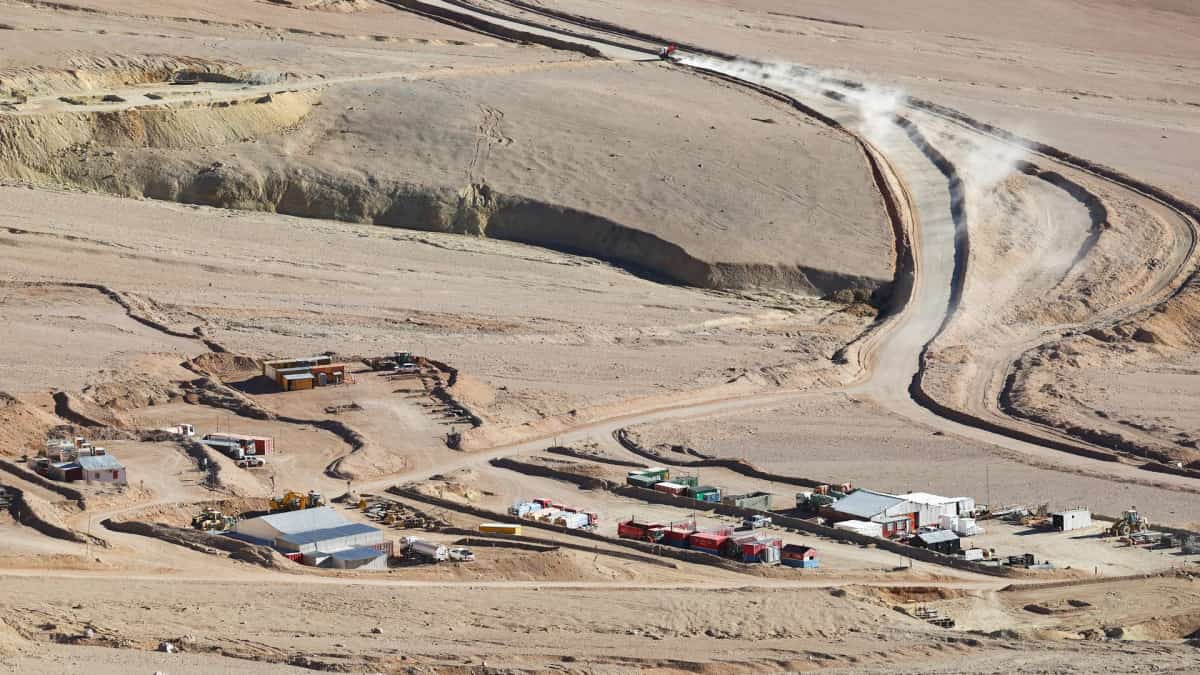
Argentina's mining megaproject ranking spans billions, but the totals use different bases
The ten-project list mixes initial build capital, expansion costs and RIGI declarations, while developers remain at sharply different stages.
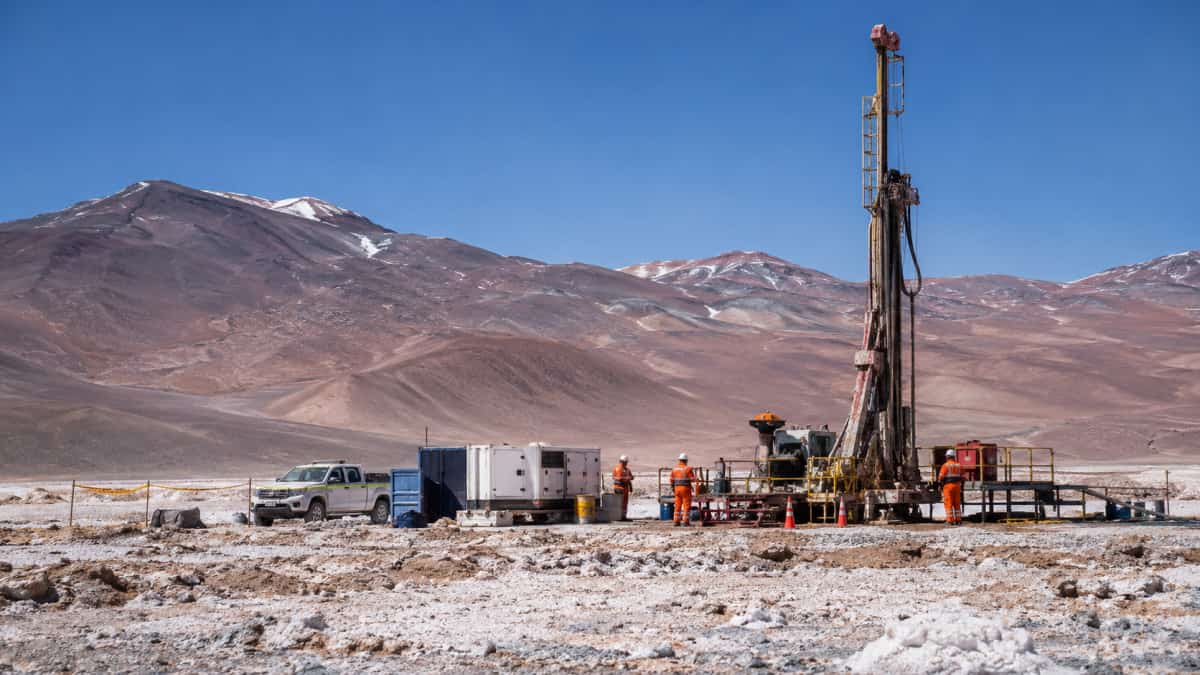
ENAMI and Rio Tinto get more time for Chile lithium deal as China review holds
ENAMI is also moving lithium oversight to its executive vice-president, giving the state miner’s project role a higher-level home.
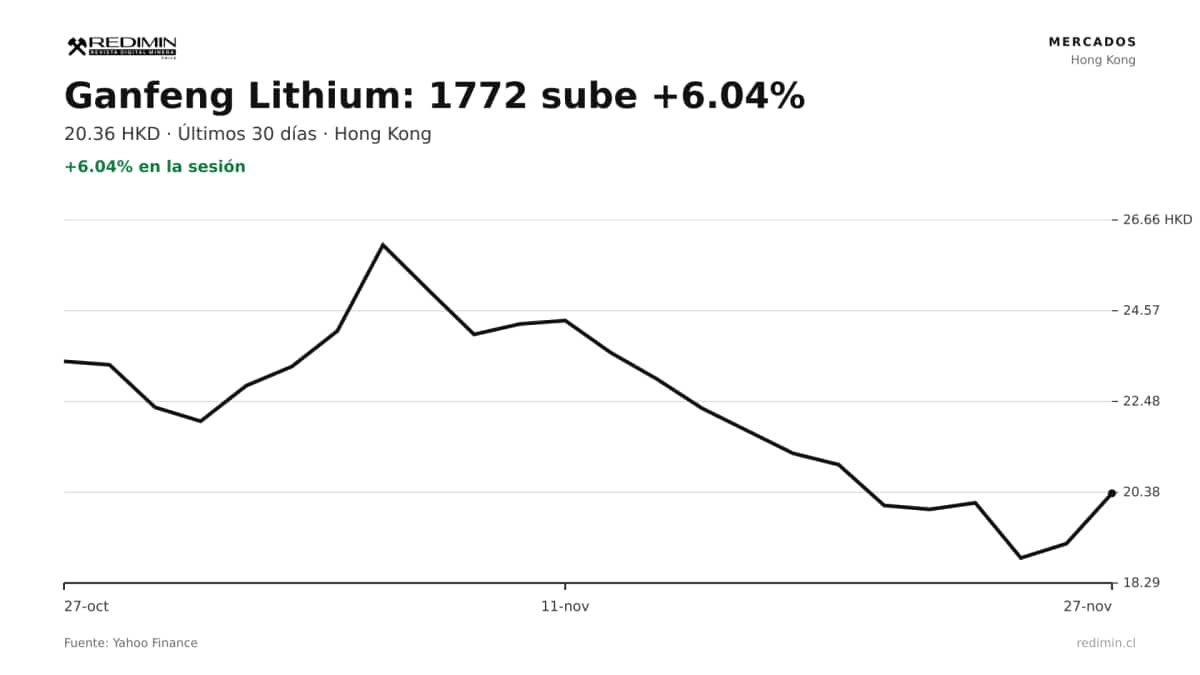
Ganfeng Lithium jumps 6% in Hong Kong but stays near its 52-week low
The quote captures a wide intraday swing, but the available market data do not identify a company announcement behind the move.