
West Africa’s gold refinery push outpaces supply as Guinea miners stockpile bullion
Guinea’s local-processing rule has put bullion handling at the centre of a regional push to capture more value at home.
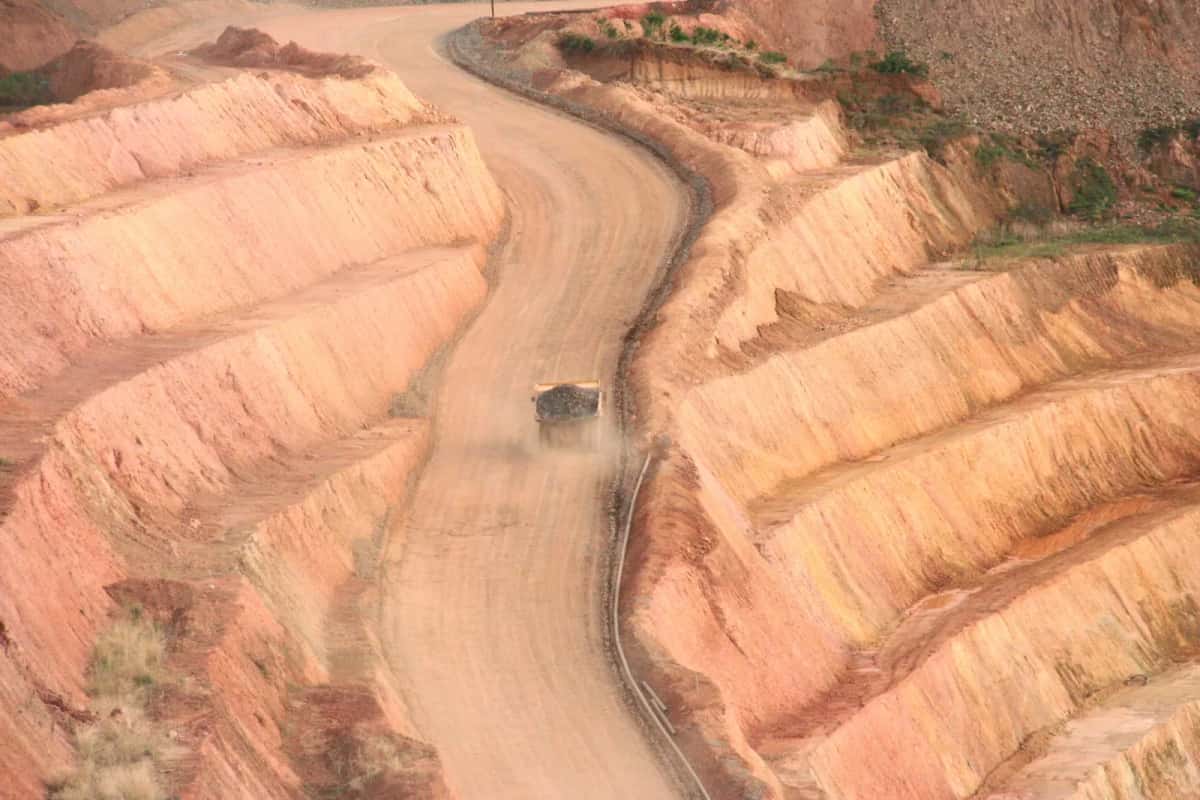
beninwebtv.bj
Why it matters: Refinery capacity that exceeds available regional production may leave new plants competing for feed while local-processing rules create commercial uncertainty for miners.
More than 1,000 tonnes a year — combined capacity of projects launched or announced in Ghana, Guinea, Mali and Burkina Faso since 2024.
585 tonnes — estimated regional gold production.
More than 20,000 ounces — gold one miner in Guinea reported storing for six weeks in November.
West African gold refinery projects announced or launched since 2024 have combined capacity of more than 1,000 tonnes a year, compared with estimated regional production of 585 tonnes. The gap is at least 415 tonnes annually, but the figures cover projects at different stages and do not show how much gold will actually be processed in the region.
The capacity push spans Ghana, Guinea, Mali and Burkina Faso. Burkina Faso inaugurated Raffinor-BF in September 2026, with capacity of more than 160 tonnes a year. Other projects remain planned or at different stages of development, so announced capacity should not be read as operating throughput.
Ghana’s planned plant would add 600 tonnes a year
Ghana, Africa’s largest gold producer, already has several refineries with unused capacity, yet plans to establish a further facility capable of processing 600 tonnes annually in 2027. That single proposed plant’s nameplate capacity exceeds the region’s estimated 585-tonne production, although it is not necessarily intended to process gold from across West Africa or to run at full capacity.
Governments backing local refining have broader aims than processing fees. They want to retain more mining revenue domestically, formalise artisanal mining and make gold more accessible to central banks seeking to strengthen reserves.
The economics are challenging: refining margins are low, and viability depends on scale, accreditation and access to international bullion markets. Dean Subramanian, chief executive of Rand Refinery, has warned that gold refining capacity is already excessive in Africa and globally. The regional plans therefore face a supply question as well as the practical test of attracting and processing feedstock.
Guinea miners weigh local processing terms
In Guinea, local-refining requirements have prompted miners to accumulate gold amid uncertainty over processing charges, payment terms and marketing arrangements. Producers are concerned that those conditions could result in lower prices. President Mamadi Doumbouya announced a ban on exporting unprocessed gold in June 2026; in November, one miner reported holding more than 20,000 ounces for six weeks.
Investors have also cited constraints in infrastructure, capital and specialist personnel. Accreditation is another hurdle: several new refineries lack London Bullion Market Association accreditation, which facilitates access to major international bullion markets.
Guinea aims to develop into a gold-trading hub capable of competing with Dubai. Whether local processing can support that ambition depends in part on the commercial terms available to miners and the ability of refineries to connect with established markets. The immediate test is whether those arrangements allow producers to sell their metal without reducing the value they receive.
More in Resources
Black Cat adds 83 sq km at Kal East as Jones Find’s pit edge constrains plans
Historical drilling points southeast beyond the current tenure edge, but the added ground has yet to enter Jones Find’s mine planning.
Copper falls nearly 18% as US tariff bets cloud tightening supply
Metal moved into the United States ahead of possible duties could return to other markets even as mine and refined supply remain constrained.
Auren solar project targets Escondida, but grid exports remain undefined
The Antofagasta proposal pairs solar generation with batteries, but the filing does not state how long they can discharge.