
Copper falls nearly 18% as US tariff bets cloud tightening supply
Metal moved into the United States ahead of possible duties could return to other markets even as mine and refined supply remain constrained.
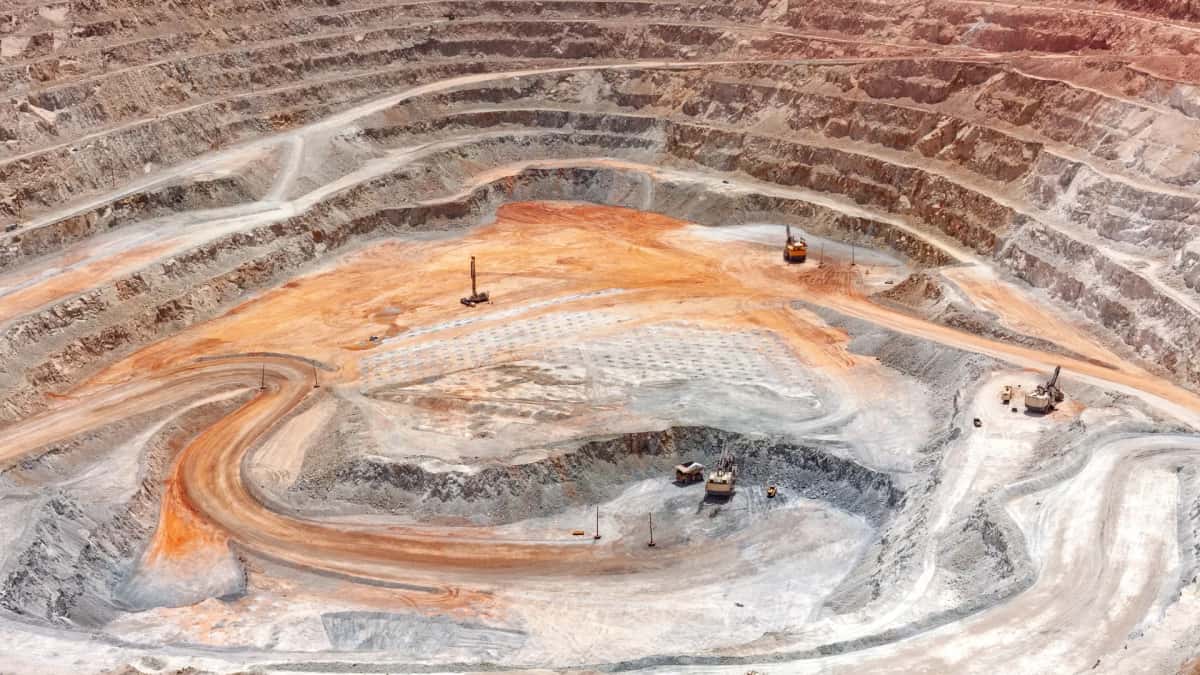
fastmarkets.com
Why it matters: Copper’s price is responding to trade-policy expectations even as production disruptions and tighter refined availability point to physical supply constraints.
US$14,850 per tonne — LME spot copper on August 17.
US$12,230.50 per tonne — LME spot copper on November 20, a decline of nearly 18%.
2 million tonnes a year by 2035 — BHP’s target for attributable copper production, up from about 1.4 million tonnes.
The London Metal Exchange (LME) spot copper price fell nearly 18% between August 17 and November 20, closing at US$12,230.50 per tonne despite signs of tighter physical supply. The retreat brought the metal close to its 2026 low as uncertainty over US trade policy weighed on market sentiment.
David Tuckwell, chief investment officer of ETF Shares, said much of copper’s price movement in 2026 reflected expectations around US tariffs rather than its underlying supply-and-demand fundamentals. He considers those fundamentals supportive of higher prices.
US tariff expectations shaped copper flows
Threats by US President Donald Trump to impose tariffs on copper prompted substantial volumes of metal to move into the United States ahead of any potential duties. Tuckwell’s assessment is that those stocks could be redirected to other markets if expectations shift towards the tariffs not being implemented.
A redistribution could ease near-term availability pressure in markets outside the United States, but it would not represent an increase in mine production or resolve the physical supply constraints cited by market participants. The available information does not quantify how much copper accumulated in the US or how much might return to other markets. The potential effect on prices therefore depends partly on an unresolved trade-policy question.
That leaves the market balancing two different signals: shifting expectations about tariffs and constraints in physical supply. Tuckwell attributes much of the recent price decline to the first, while arguing that the second continues to support a tighter-market view.
Disruptions span mine and refined supply
The supply pressures cited include falling production in Chile, interruptions in the Democratic Republic of the Congo and Indonesia, and more limited availability of refined copper in China. No figures are provided to measure each factor’s contribution, and no timeline is given for when the disruptions or constraints might ease.
The combination of a falling price and tighter availability does not, by itself, establish how much metal is missing from the market. In the near term, any copper released from US inventories could change where supply is available, while the production and refining issues remain separate constraints.
Producers point to longer-term demand growth
BHP aims to increase attributable copper production from about 1.4 million tonnes a year to 2 million tonnes by 2035. That is a company target, not production already achieved.
Rio Tinto has pointed to electrification, artificial intelligence and urbanisation as sources of future copper demand. Chief executive Simon Trott said at the APEC CEO Summit that the world would need more copper between now and 2050 than has been mined throughout history. The statement indicates the scale of demand Rio Tinto anticipates, but no annual estimate or projected supply gap is provided.
Tuckwell said the near-term direction of copper prices remains tied to US trade-policy expectations. The metal closed at US$12,230.50 per tonne on November 20, with the cited supply constraints still in place and the potential scale of any inventory redistribution unspecified.
More in Resources

Black Cat adds 83 sq km at Kal East as Jones Find’s pit edge constrains plans
Historical drilling points southeast beyond the current tenure edge, but the added ground has yet to enter Jones Find’s mine planning.
Auren solar project targets Escondida, but grid exports remain undefined
The Antofagasta proposal pairs solar generation with batteries, but the filing does not state how long they can discharge.

Chile’s Central mining zone needs 7,625 workers by 2034 as youth share falls
Technical schools offer a potential pipeline, but men and women diverge sharply in whether they continue into mining-related studies.