
Vizsla pushes Pánuco production to 2028 as permits remain pending
Remote engineering continued during the shutdown, but a return to site and federal authorizations remain separate hurdles.
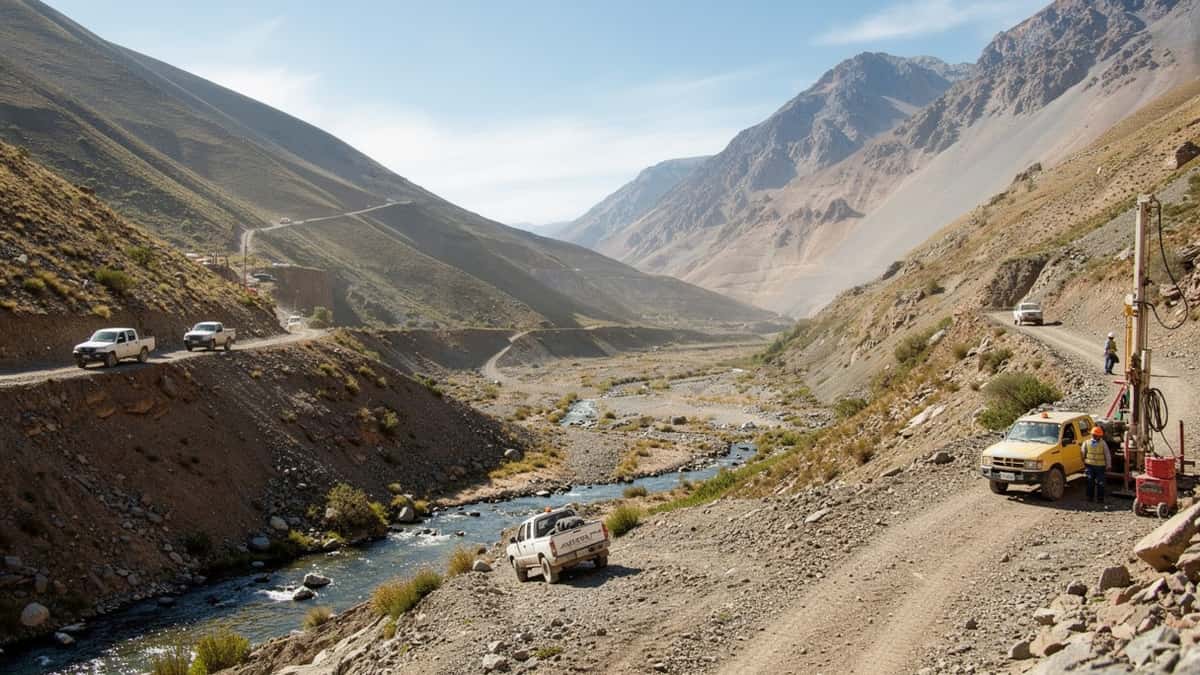
Why it matters: The revised schedule puts Pánuco’s development behind both a staged site restart and outstanding federal approvals, while the project’s feasibility economics predate the delay.
Second half of 2028 — Vizsla’s revised target for first silver, one year later than its previous goal
About 50% — engineering progress reported during the suspension of site work
About 85% — share of planned processing-plant equipment already ordered
US$238.7 million — initial capital estimate in the November 2025 feasibility study
Vizsla Silver has pushed its target for first production at the Pánuco project in Sinaloa, Mexico, back by one year to the second half of 2028, following the kidnapping and murder of 10 workers. The Vancouver-based company is planning a gradual return to the site, but still needs federal environmental and land-use approvals before construction can begin. It has not made a production decision.
Engineering continued remotely during the suspension, reaching about 50%, the company said. Vizsla has also ordered about 85% of the equipment planned for the processing plant. Its revised schedule factors in permitting timelines, site preparation and construction sequencing.
Federal approvals remain outstanding
Vizsla submitted its environmental impact assessment in February 2025. The company said in its annual report that Mexico’s environment ministry requested additional information. A change-of-land-use authorization is also required before construction.
Field work had already been interrupted for security reasons: the company halted work in April 2025 and resumed it the following month. After the workers were kidnapped on Jan. 23 in Concordia municipality, Vizsla again suspended some activity at and around the site, while remote engineering continued.
The remains of the last missing worker were identified in July. Federal authorities announced arrests connected to the case in September, and Mexico’s Defence Secretariat reported further arrests in October, linking those detained to the kidnappings and killings. Vizsla said it continues to cooperate with the investigation and is working with federal authorities and security advisers on a phased restart.
The company has committed US$5 million to a foundation for Sinaloa communities and plans to contribute a portion of future profits. It said the initiative would complement direct assistance to affected families.
Two underground mines would feed one plant
The mine plan calls for underground operations at Copala and Napoleon to supply a shared processing plant. Silver and gold mining in the Pánuco-Copala district dates back several centuries. Vizsla began exploring the area in 2019 and consolidated district rights in 2021 by exercising two options.
The feasibility study, published in November 2025, estimated initial capital of US$238.7 million and a 9.4-year mine life. It projected payable production of 94.7 million ounces of silver and 776,000 ounces of gold. Those estimates do not reflect the revised schedule, potential cost increases or financing expenses.
Vizsla shares fell 5.2% in Toronto on Nov. 19 to C$4.04, close to their 52-week low of C$4.03. At that price, the company’s market value was about US$999 million. On Nov. 20, the shares traded at C$3.63, down 51.7% year to date. The updated production target remains subject to the permitting process and the planned return to site.
More in Resources
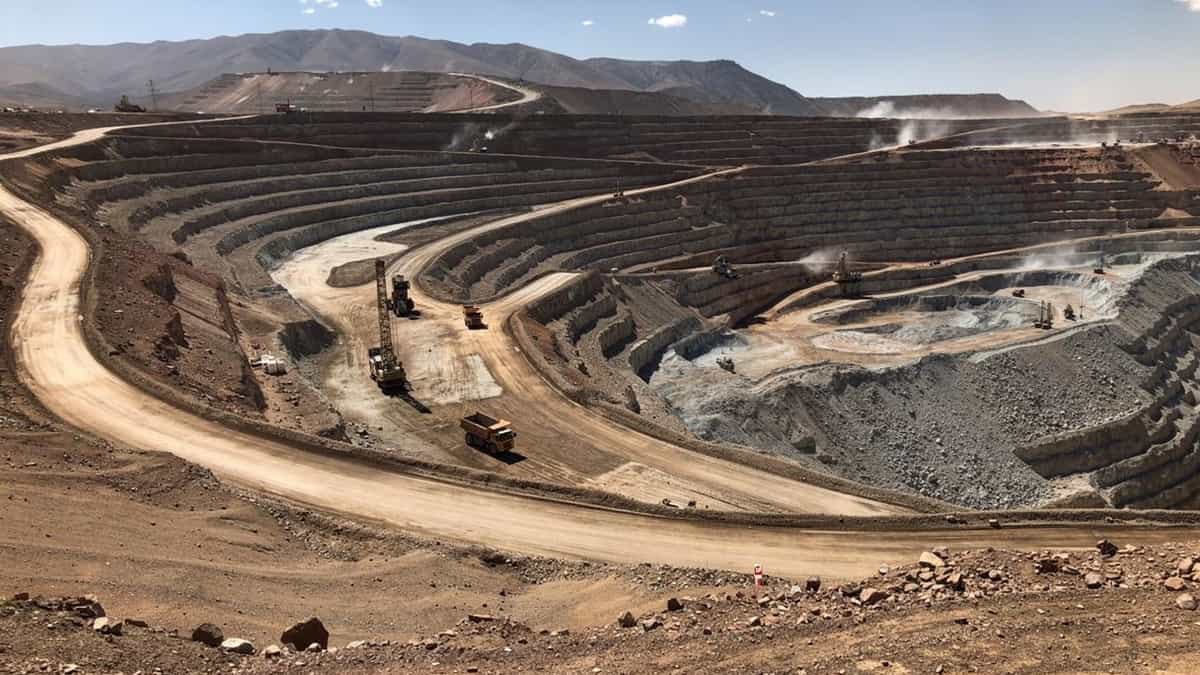
Endeavour Silver's Pitarrilla study prices a US$585M build before key permit
The 18-year underground model uses US$50 silver, but its returns change materially across the study's sensitivity cases.
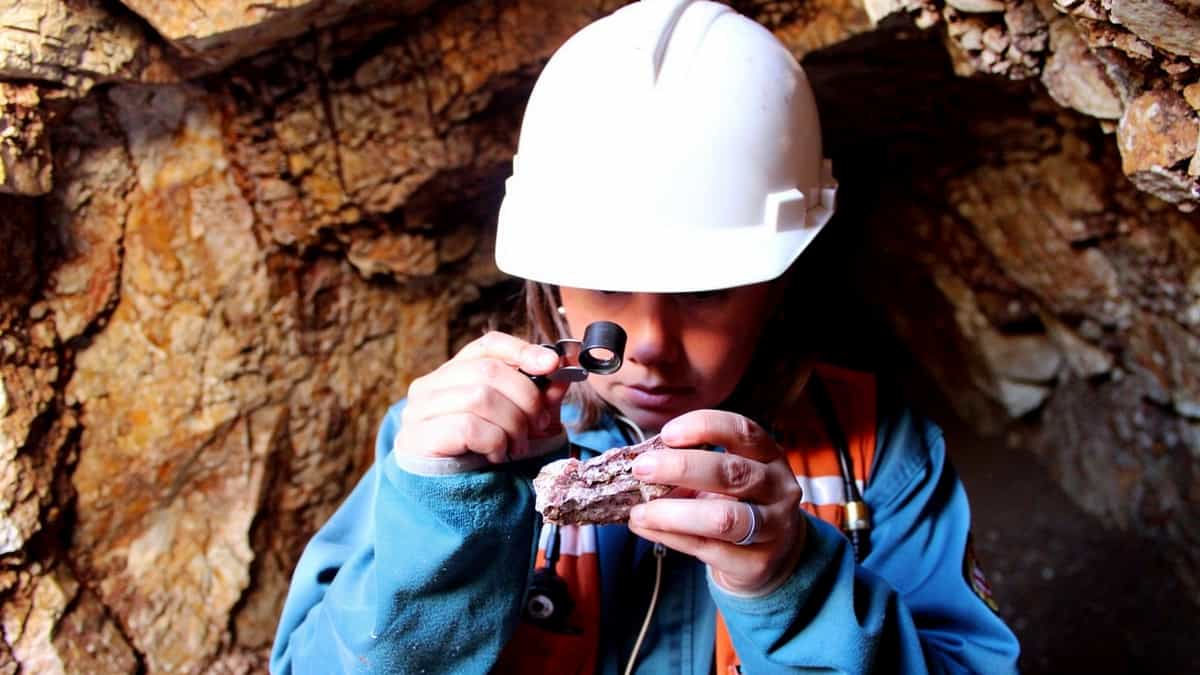
Chile’s geothermal power potential faces a hurdle beyond its reservoirs
Cerro Pabellón was still the country’s only geothermal plant in October 2022, despite estimates pointing to a far larger role for the resource.
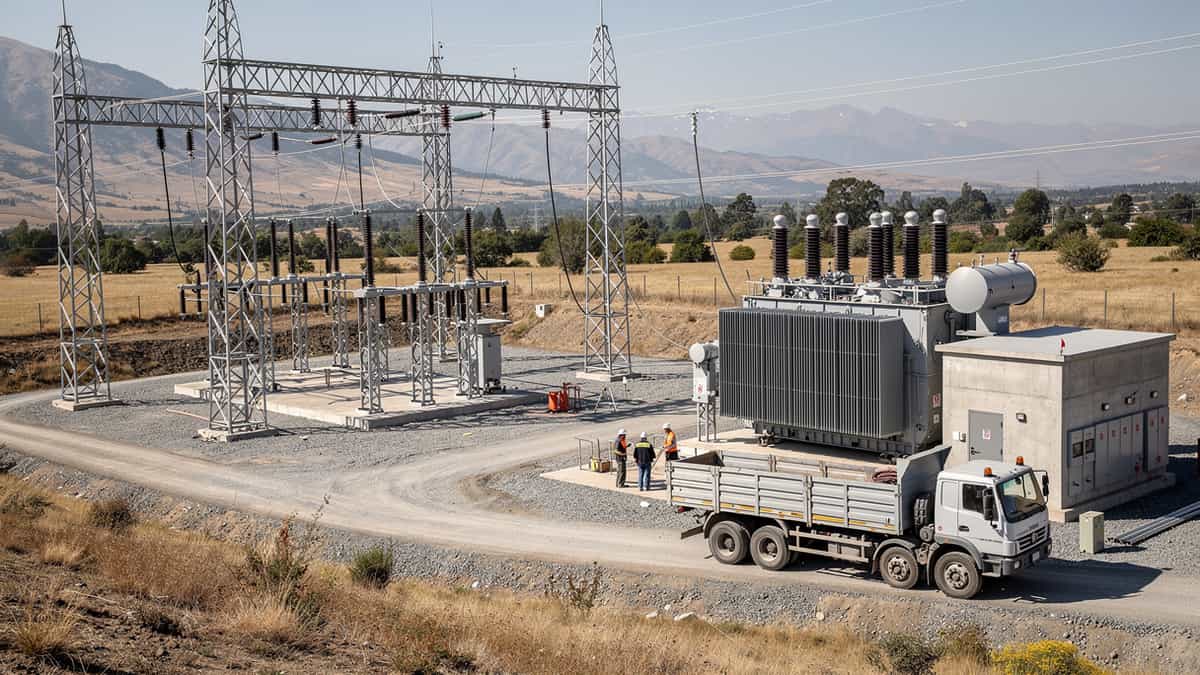
TransEmel files US$30 million Ñuble grid plan, but SEA admission is pending
The proposed link combines a 220/66 kV switching station with a second substation serving the 23 kV network.