
US copper smelters face a widening gap as mines send concentrate overseas
Only two primary smelters remain as data-centre, grid and defence demand adds pressure to a chain already tied to overseas processors.
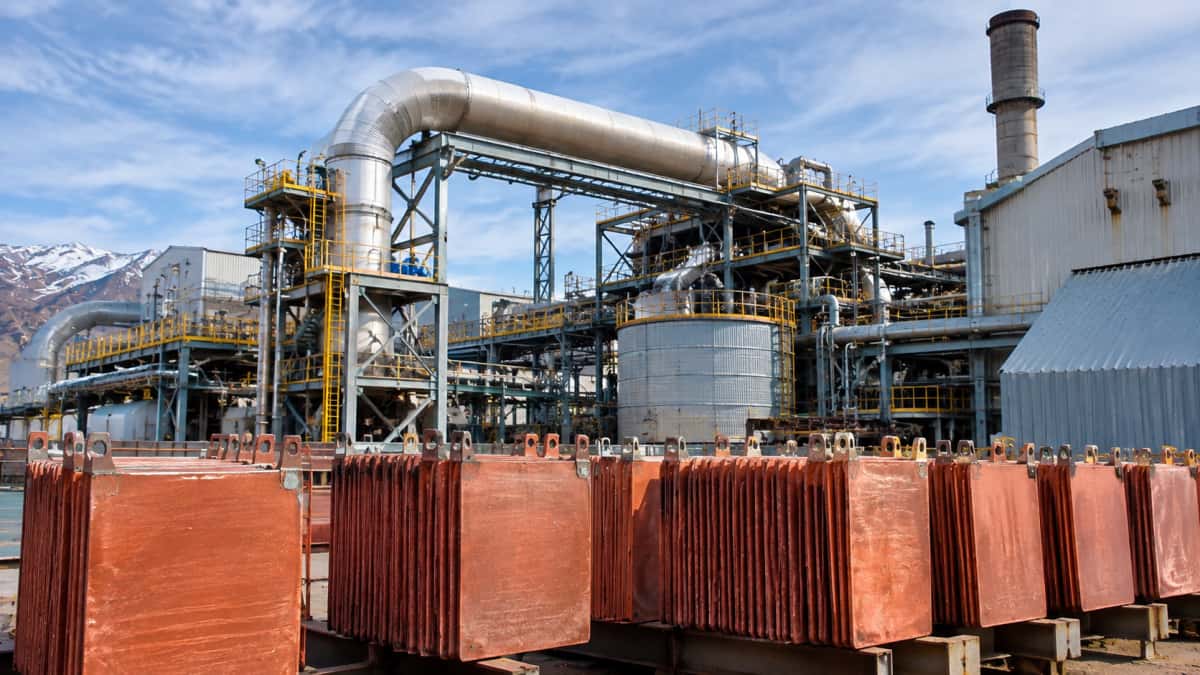
Why it matters: Domestic smelting capacity determines how much US-mined copper can reach manufacturers without depending on overseas processing.
About 1 million tonnes — US recoverable copper mine production in 2025.
About 380,000 tonnes a year — combined output from the country’s two operating primary smelters.
About 340,000 tonnes — copper contained in US concentrate exports in 2025, mainly bound for Asian processors.
57% — US net import dependence for refined copper as a share of apparent consumption in 2025, up from 41% in 2022.
The United States mined about 1 million tonnes of recoverable copper in 2025, but its two operating primary smelters—Freeport-McMoRan’s Miami facility in Arizona and Rio Tinto’s Kennecott operation in Utah—produce about 380,000 tonnes annually between them. The country exported roughly 340,000 tonnes of copper contained in concentrates during the year, mainly to Asian processing facilities, while net import dependence for refined copper reached about 57% of apparent consumption.
Some US mine output is processed through solvent extraction and electrowinning (SX-EW), which produces cathodes without conventional smelting. But the figures point to a gap between domestic mining and the capacity to process concentrate into industrial metal. That matters as data centres, power grids, electric vehicles and defence manufacturing increase the strategic importance of reliable copper supply.
China’s processing share outpaces its mine production
China accounts for about 50% of global copper smelter production while contributing roughly 8% of mined copper, according to the figures cited in the industry analysis. Its model relies on importing concentrate from producers worldwide and processing it domestically. Chinese smelting capacity expanded by about 11% in 2025, adding to competition for feed as mine supply has not kept pace with processing capacity.
That concentration leaves US manufacturers and miners exposed to logistics disruptions, trade restrictions and shifts in supply terms. The United States’ dependence on imported refined copper has also increased from 41% of apparent consumption in 2022 to 57% in 2025. Chile supplied about 68% of US refined copper imports between 2021 and 2024, giving it a central role in the trade relationship.
Low treatment charges squeeze smelter economics
The capacity challenge is not simply a matter of building more furnaces. Treatment and refining charges, or TC/RCs, are payments miners make to smelters to process concentrate. They are a key source of smelter revenue, and competition for feed has pushed them sharply lower as processing capacity expands faster than concentrate supply.
In December 2025, Antofagasta agreed treatment and refining charges of US$0 with a Chinese smelter for 2026; spot-market charges have also turned negative in some transactions. Such terms compress margins for independent smelters and increase reliance on revenue from by-products such as gold, silver and sulphuric acid. Integrated companies that mine and process copper can offset weak smelting economics elsewhere in their businesses.
US policy has addressed import exposure, but not directly the economics of smelting. An executive order issued on 25 February 2025 directed an assessment of copper import risks. From August 2025, a 50% tariff applied to certain semi-finished copper products and copper-intensive derivatives, while ores, concentrates and refined copper cathodes were excluded. The measures aim to support domestic industry, but can raise costs for manufacturers reliant on covered imports.
New capacity depends on investment and long-term feed
A modern smelter requires specialised furnaces and converters, slag treatment, sulphuric acid plants and environmental controls. Freeport-McMoRan’s Manyar smelter in Indonesia provides an international cost reference: its construction represented an investment of about US$3 billion, excluding certain financing costs and complementary facilities.
In Arizona, a possible restart of the idled Hayden smelter could add capacity, but the project still faces regulatory, labour and financing challenges. New construction or refurbishment would also depend on long-term concentrate supply and commercial terms capable of supporting investment over several decades. For Chile, which has supplied most US refined copper imports in recent years, cooperation on processing, technology and long-term supply is one potential part of the discussion; its own smelters face energy-cost, emissions and modernisation challenges. Any expansion of US capacity will therefore hinge not only on policy support, but on whether operators can secure feed and sustain viable processing economics.
More in Resources
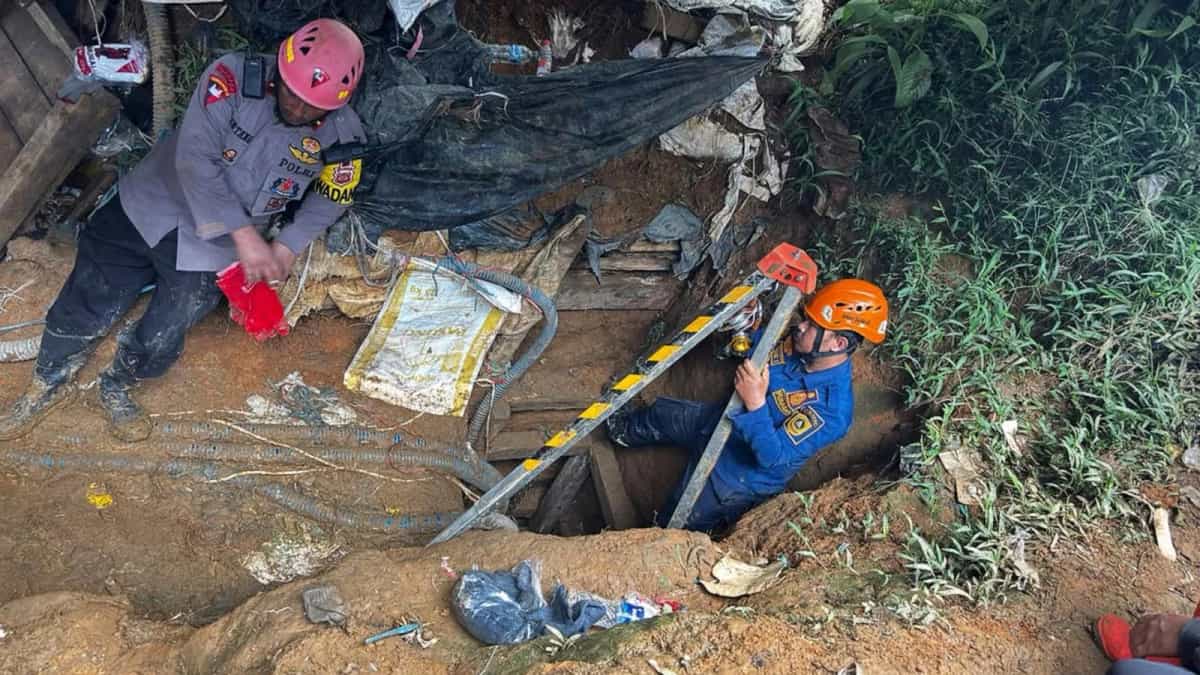
Pongkor flood rescue continues as authorities work to identify miners
Floodwater and mud from the Ciseureuh River entered two illegal shafts inside Antam’s mining area after heavy rain.

Marimaca Copper’s US$450m Sprott package clears committee, but remains conditional
The Antofagasta oxide project has a US$587 million initial build estimate, larger than the proposed financing package.
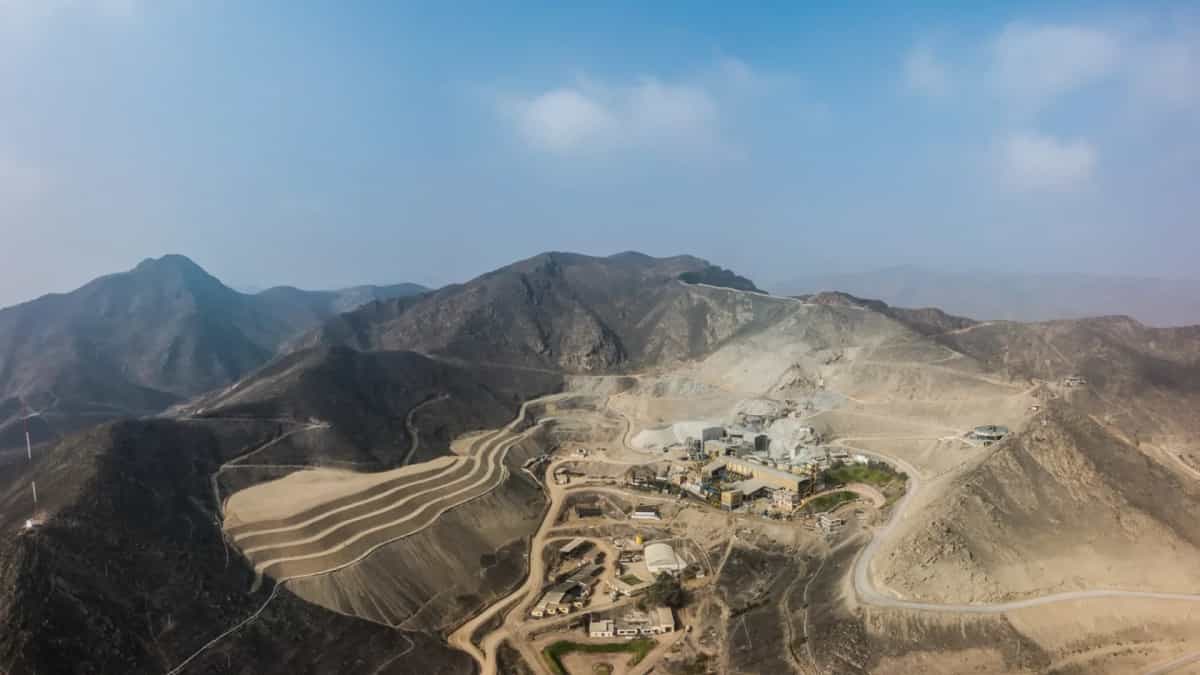
Cochilco sees Chile reaching 50 tonnes of gold, but rank gains hinge on rivals
Atacama operations are reshaping Chile’s gold output, but the country’s place in the global table also depends on other producers’ year-end totals.