
Trump keeps Iran war restart on table as nuclear and naval disputes stall talks
Tehran wants the naval blockade lifted before formal talks, while Washington is seeking further limits on Iran’s nuclear programme.
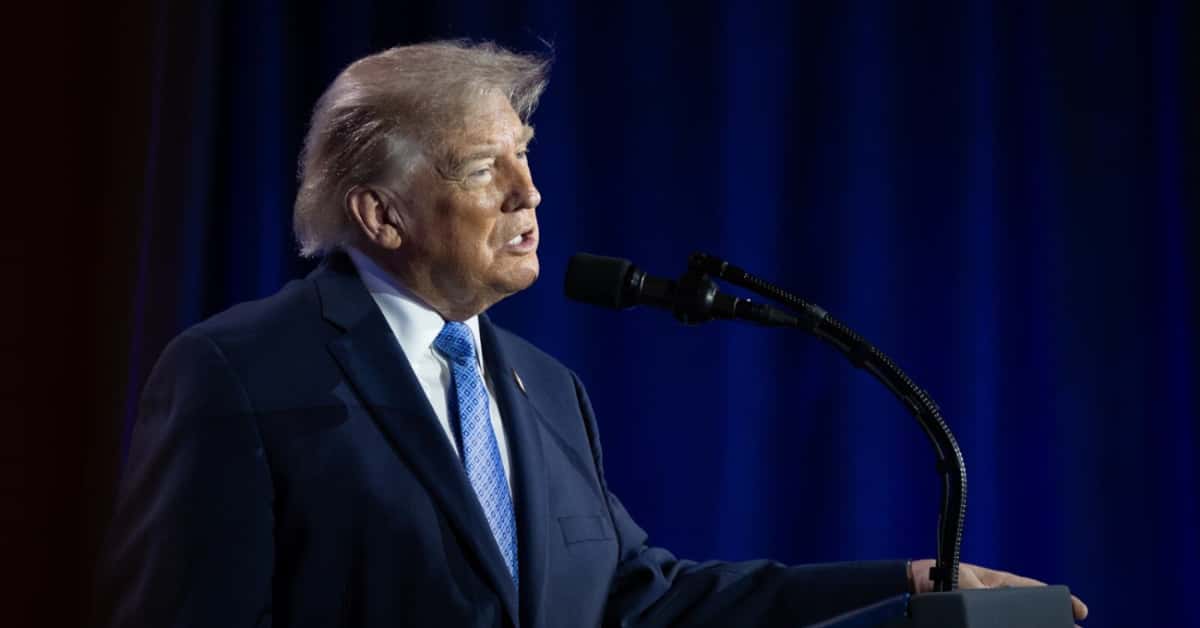
Why it matters: The naval blockade is restricting Iran’s oil exports and imports of essential goods, tying energy flows to the outcome of nuclear negotiations.
Nearly 90% — Iran’s inflation rate, according to the supplied account.
Two people — injured in an attack on an industrial facility in Bahrain; one was seriously hurt.
3 November — the US midterm election date that Trump linked to his earlier timeline for the conflict.
February — when the war began, according to Trump’s account.
Trump said the United States could resume its war against Iran next year if negotiations fail to produce a diplomatic settlement, keeping the prospect of renewed attacks open despite saying he would give diplomacy more time.
The warning extends a timeline Trump had set before the 3 November midterm elections. After Republicans lost, he had indicated that hostilities might end soon. He now says Iran is delaying indirect contacts and has argued that the election result will not change his approach to the conflict.
Blockade and nuclear limits remain at odds
Iran wants Washington to end its naval blockade, ease sanctions and release frozen assets before formal negotiations proceed. The United States is seeking additional restrictions on Iran’s nuclear programme. The two governments have not bridged those differences, including over Iran’s enriched nuclear material.
Iranian Deputy Foreign Minister Kazem Gharibabad has said that the material cannot leave the country under a potential agreement. Tehran is also speaking with Qatar, which is acting as a mediator, about a diplomatic route to end the war.
The blockade is preventing Iran from exporting oil and importing some essential goods. Iranian state media have conveyed the government’s position that it wants more ships to pass and will not accept a prolonged naval closure. In September 2026, Tehran set conditions for reopening the Strait of Hormuz and restarting negotiations.
Attacks add pressure across the Gulf
Trump said Iran launched more drones and missiles in the latest week than in any other period since the war began, and claimed they were all intercepted. Attacks have also intensified around the Strait of Hormuz and against US military facilities in Bahrain and Kuwait.
An Iranian attack on an industrial facility in Bahrain on Saturday injured two people, one seriously. Gulf Arab states have urged Trump to end the conflict without another large-scale round of fighting. Iran attacked the states with thousands of missiles and drones during the war’s first weeks.
Trump has also warned that Iranian vessels attempting to challenge the blockade would face consequences, saying he expected them to do so and threatening to sink them. The next step remains uncertain: the US president says diplomacy will have more time, but the parties’ stated conditions leave the blockade and nuclear restrictions unresolved.
More in Resources
Hungary’s forint rebounds, but December rate cuts remain uncertain
A week of selling erased the currency’s gains since April’s election, leaving the central bank to weigh exchange-rate pressure against room to ease.
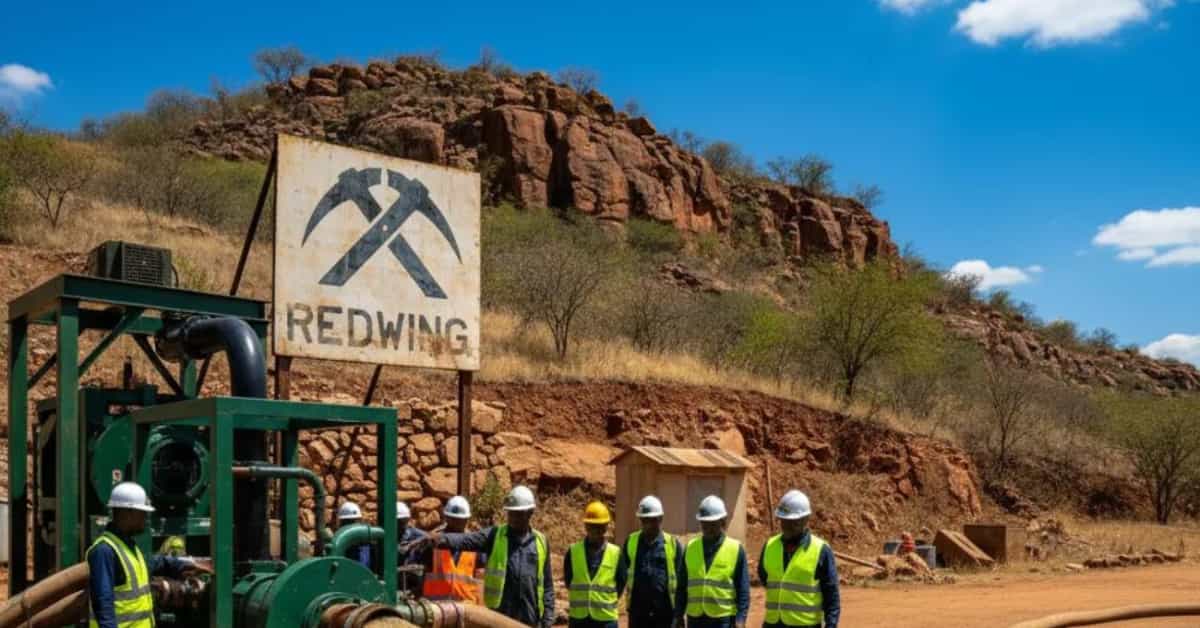
Namib restarts Redwing gold mine, but expansion hinges on operating performance
Underground ore delivery and plant throughput must work together before Namib can justify a larger Redwing build-out.
Mozambique plans five settling dams for Lupilichi gold pollution, but sites are unknown
Wastewater from artisanal gold processing threatens streams feeding the Rovuma, a river shared with Tanzania.