
Mozambique plans five settling dams for Lupilichi gold pollution, but sites are unknown
Wastewater from artisanal gold processing threatens streams feeding the Rovuma, a river shared with Tanzania.
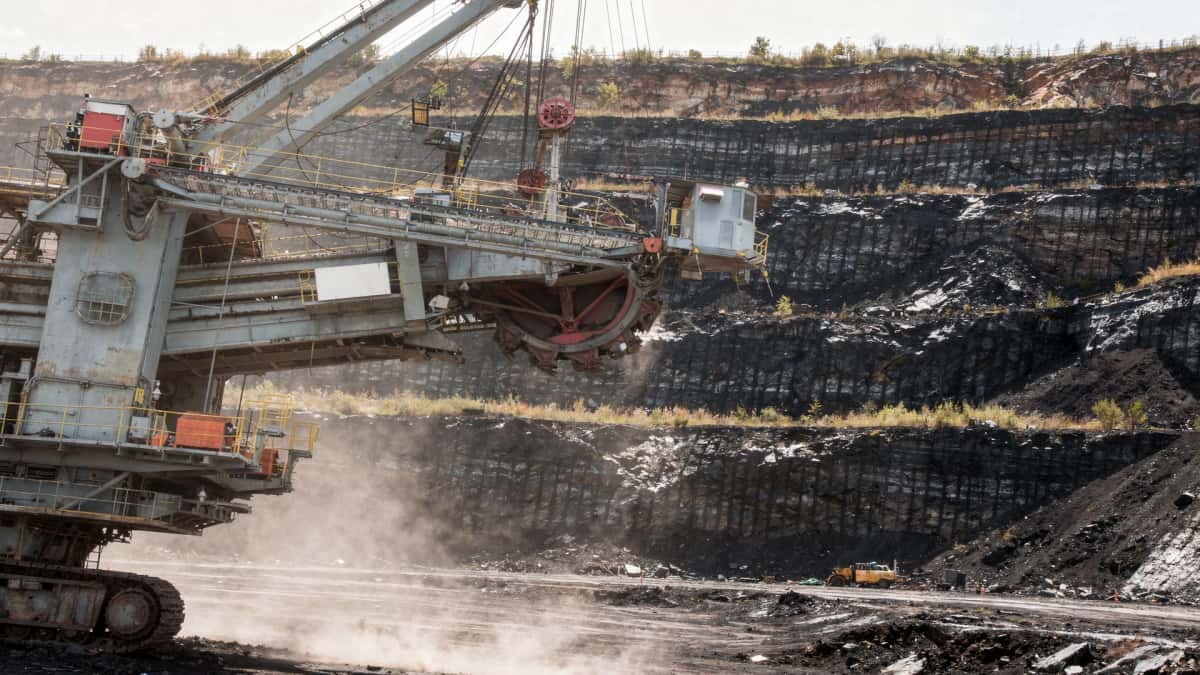
Why it matters: The proposed works aim to intercept mine-processing wastewater before it reaches a river shared by Mozambique and Tanzania.
Five dams — planned to contain wastewater from gold processing in Lupilichi.
First quarter of 2027 — the announced construction timeframe.
The Government of Niassa province plans to build five sedimentation dams in Lupilichi to contain wastewater from artisanal gold processing before it reaches streams that feed the Rovuma River. Construction is scheduled for the first quarter of 2027, but officials have not identified the sites.
Silva Livone, Niassa’s secretary of state, announced the proposal and said the pollution in waterways flowing toward the Rovuma needs to be stopped. The plan is to hold water used in mineral processing in the dams and allow it to pass through natural filtration. Officials have not disclosed the structures’ capacity or how long filtration would take.
Proposed dams target wastewater from artisanal gold mining
The initiative concerns artisanal mining in Lupilichi, an administrative area of Lago district; no industrial mine was identified in the announcement. The dams are intended to contain water from ore washing before it continues through connected waterways.
Livone cited potential risks to public health, animal survival and the environmental balance. Those are concerns the proposed intervention is meant to address. The government provided no contamination measurements, water-sampling results or other evidence quantifying exposure or documented harm.
Rovuma pollution has a cross-border dimension
The Rovuma is shared by Mozambique and Tanzania. Livone said Mozambique should protect the river to prevent pollution originating in the country from affecting its neighbour, giving the provincial plan a cross-border dimension alongside its local purpose.
Key implementation details remain undisclosed. The announcement did not specify the dams’ locations, budget, responsible construction body or how water quality would be monitored once the structures are operating. The next stated milestone is construction in the first quarter of 2027; the proposal does not yet set out the technical details needed to assess the dams’ capacity or performance.
More in Resources

Hungary’s forint rebounds, but December rate cuts remain uncertain
A week of selling erased the currency’s gains since April’s election, leaving the central bank to weigh exchange-rate pressure against room to ease.

Trump keeps Iran war restart on table as nuclear and naval disputes stall talks
Tehran wants the naval blockade lifted before formal talks, while Washington is seeking further limits on Iran’s nuclear programme.
Namib restarts Redwing gold mine, but expansion hinges on operating performance
Underground ore delivery and plant throughput must work together before Namib can justify a larger Redwing build-out.