Tintina starts 40,000m at Dos Amigos, but feasibility needs more than drilling
A move straight from preliminary assessment to feasibility puts resource classification, engineering and permitting on overlapping schedules.
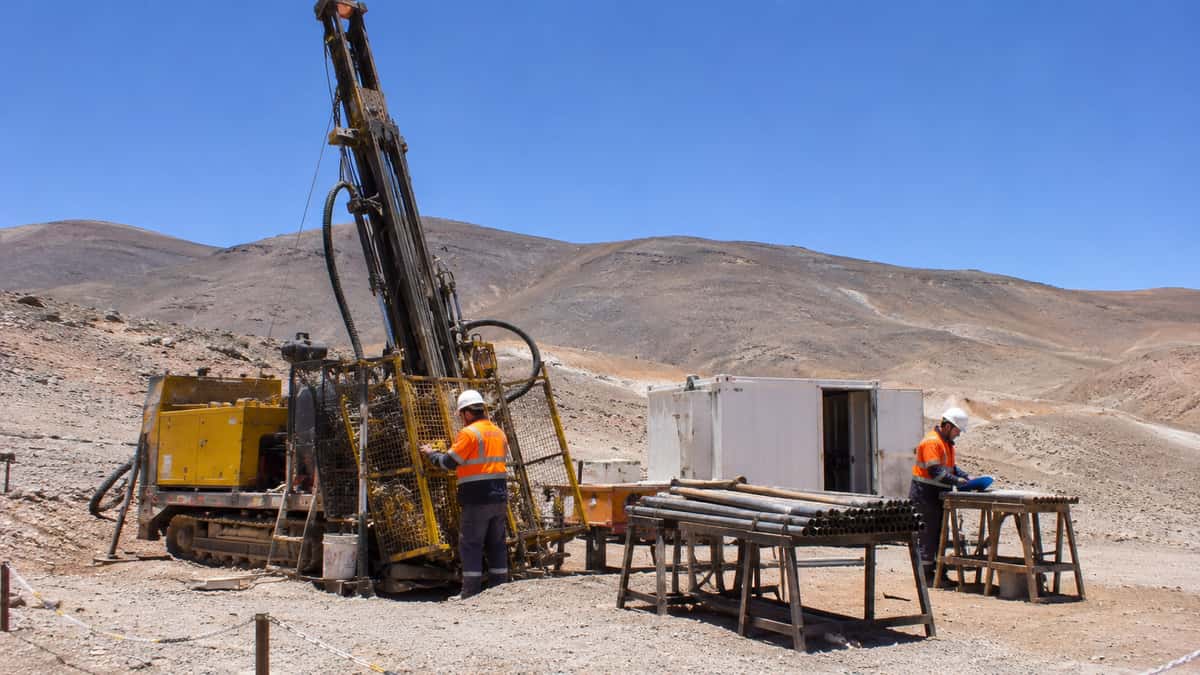
Why it matters: The campaign aims to improve confidence in Dos Amigos’ resource base, while engineering and permitting also need to advance toward an investment decision.
40,000 metres — infill drilling aimed at reclassifying part of the resource
50,000 metres — total planned program, including technical drilling and other work
C$36 million — cost of Tintina’s purchase of the remaining 26.25% stake in Andean Belt Resources SpA
2028 — year Tintina expects to deliver the feasibility study
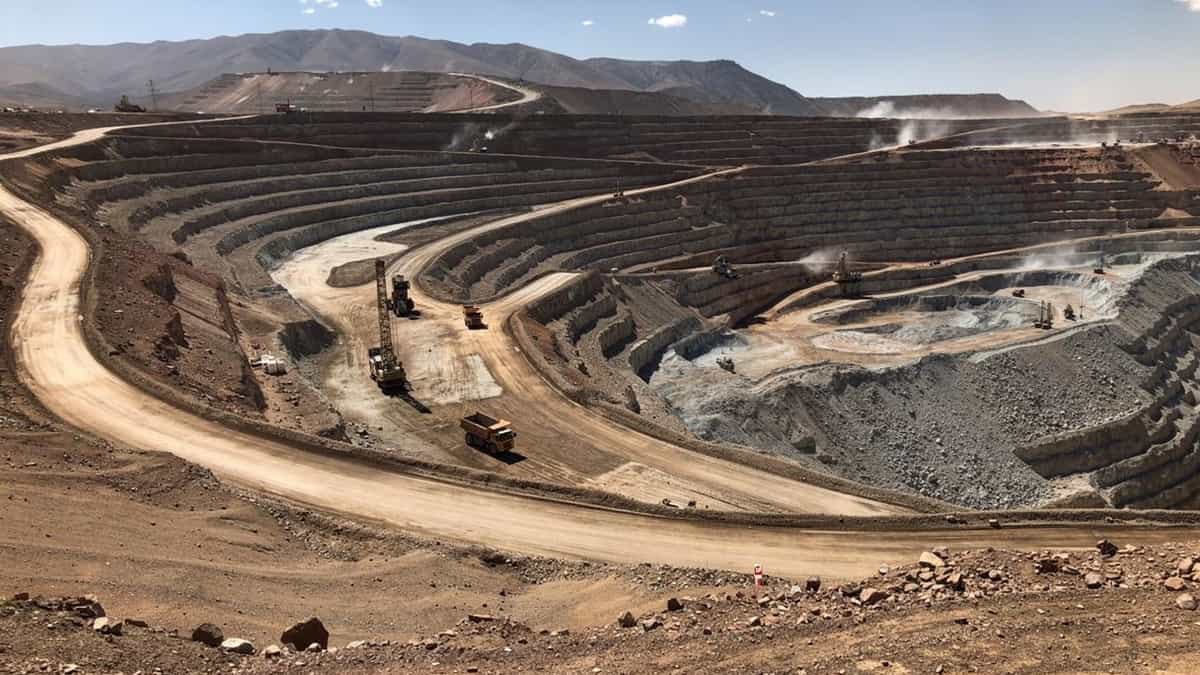
Tintina Mines has started a 40,000-metre diamond-drilling campaign at its Dos Amigos copper-gold project in Chile’s Atacama Region. The infill program is intended to convert inferred resources to indicated and provide data for a feasibility study that the company expects to complete in 2028.
The drilling is part of a broader development program, and feasibility work will not depend on geology alone. Tintina plans to add rigs progressively, reaching as many as six, with drilling expected to continue through the second quarter of 2027. It expects to incorporate the results into an updated mineral resource estimate in the second half of that year.
Infill drilling sits within a 50,000-metre program
The 40,000 metres of infill drilling form part of an approximately 50,000-metre program. The remaining 10,000 metres are allocated to geotechnical and hydrogeological drilling, waste-rock characterization and sterilization drilling. Tintina says these workstreams will support the feasibility study and permitting.
Reclassifying inferred resources as indicated would increase confidence in the geological information available for study work. It does not, by itself, mean the deposit’s total tonnage will increase: the stated purpose is to improve the classification of some existing resources.
Tintina completed its acquisition of the remaining 26.25% interest in Andean Belt Resources SpA on August 25, 2026, for C$36 million, giving it full ownership of Dos Amigos. The company had previously completed a C$91 million private financing and said about C$55 million remained available after allocating part of the proceeds to the acquisition.
The feasibility study will build on a preliminary case
Tintina plans to move directly from a preliminary economic assessment (PEA) to feasibility, without an intermediate pre-feasibility study. SRK Consulting prepared the PEA, published in February 2026. It assessed an open-pit mine and conventional concentrator, with an estimated initial capital cost of about US$1.283 billion and total capital spending of about US$2.188 billion over an estimated 26-year mine life.
The PEA used a resource estimate of about 357 million tonnes. The current infill campaign is intended to reclassify part of that resource. Tintina has also said the system remains open in several directions and that the district contains additional exploration targets, but the current campaign’s stated objective is resource conversion and feasibility data.
Dos Amigos is about 53 kilometres from Vallenar, 63 kilometres from the coast and 104 kilometres from Puerto Las Losas. The PEA’s scenario includes 100% renewable power and seawater for processing; these are study assumptions, not features of an operating mine.
Engineering and permits run alongside drilling
While drilling proceeds, Tintina expects to advance engineering and assess alternatives for the feasibility study. It has started environmental baseline studies and identifies permitting as a critical-path item for the schedule toward a potential final investment decision.
The next defined milestones are completion of the drilling program through the second quarter of 2027, an updated resource estimate in the second half of 2027 and delivery of the feasibility study in 2028. The study will need to integrate the geological results with the technical and environmental work underway.
More in Resources
Tin sales rise 72% as LME stocks shrink, while global data remain incomplete
Production, smelting and sales all moved higher, but the reported figures leave key parts of the market balance unclear.
Chile orders Alcaparrosa closure, but the 2022 collapse is only part of the case
The mine had been suspended since July 2022, but the court's findings reach into the Copiapó River aquifer and Tierra Amarilla.
Endeavour Silver's Pitarrilla study prices a US$585M build before key permit
The 18-year underground model uses US$50 silver, but its returns change materially across the study's sensitivity cases.