
SINOMACH adapts excavators for extreme mines, but heat and cold need opposing fixes
Six excavators in a South American gold mine work through humid summer heat, while other fleets face winter starts below freezing.
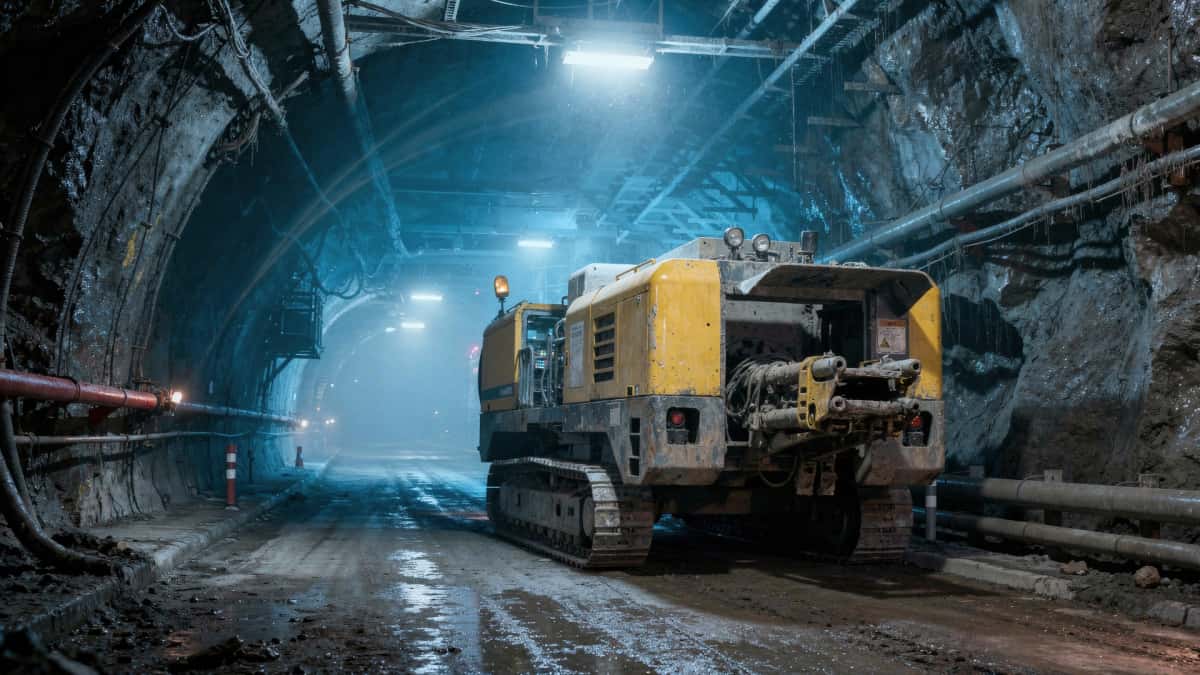
Why it matters: Excavator availability in extreme climates depends on adapting cooling, filtration and hydraulics—not simply increasing engine power.
55°C — maximum ambient temperature SINOMACH says its hot-weather configuration can handle at full load.
250 to 500 hours — the company’s stated increase in air-filter service interval with its dust-control system.
-30°C to -40°C — stated cold-start and operating thresholds, depending on the equipment package.
More than 90% — winter availability reported by SINOMACH for configured machines in the Commonwealth of Independent States region.
SINOMACH has developed separate excavator configurations for hot, humid mines and operations in severe cold, after customer fleets accumulated close to 20,000 operating hours across those conditions. In a South American gold mine, six machines typically work 20 hours a day across shifts, with summer temperatures exceeding 45°C and high humidity.
The company says its hot-weather package allows full-load operation at ambient temperatures up to 55°C, while its cold-weather configuration is designed for starts at -30°C and work down to -40°C when fitted with a diesel-powered preheater. The changes target cooling, filtration, electrical systems and fluids rather than increased engine power.
Larger cooling capacity targets operation above 50°C
SINOMACH says it worked with its international operations and research and development teams to adjust the machines based on field observations. The hot-weather package increases radiator and hydraulic-oil cooler size by 10% to 20%. The company states that configured machines can operate above 50°C at full load without high hydraulic-oil temperature alarms, power reduction or engine shutdown. In the same task, it says hydraulic-oil temperature runs 5°C to 8°C below that of a standard machine.
Dust control combines a cyclone pre-cleaner with a two-stage air filter. SINOMACH says this extends the filter service interval from 250 to 500 hours. The package also uses electrical wiring rated for 125°C and sealed connectors intended to reduce insulation ageing and contact oxidation.
Other changes address prolonged shifts and contamination: long-life LED lights for night work, wear protection for the undercarriage and cab, and mesh over air intakes to catch insects, leaves and other debris. The company says the mesh materials are selected to make cleaning easier and limit clogging.
Cold-weather package changes fluids, batteries and cab heating
In cold conditions, SINOMACH identifies thickened hydraulic oil, brittle seals and slow starts as operating constraints. It says standard machines can have difficulty starting below about -15°C. Its cold-weather package combines a specific engine calibration, intake preheating and a coolant heater for starts at -30°C; with a diesel-powered preheater, the stated working range extends to -40°C.
Battery capacity is increased by 2 to 2.5 times compared with the normal-temperature configuration. SINOMACH says a lead-acid battery loses about 60% of its capacity at -30°C, making sufficient power for the initial start a key requirement.
The package replaces standard HD46 hydraulic oil with L-HV32. The company says HD46 can become viscous enough below -20°C to restrict pump supply, producing irregular movement and high-frequency noise. The specified cold-weather fluids also include -45# antifreeze, 10W-30 engine oil and 0#/1# grease. Nitrile and fluororubber seals are designed to remain flexible at -30°C and reduce leakage. A diesel cab heater and insulation allow the cab to be warmed before a shift.
For the Commonwealth of Independent States region, SINOMACH reports more than 20,000 operating hours with the cold-weather configuration and winter availability above 90%. It contrasts that figure with increased hydraulic failures below -25°C in machines without the package.
More in Resources
Khyber Pakhtunkhwa’s mineral-processing push meets a costly mine-to-market gap
A small Peshawar workshop is making slabs from Mohmand marble, but scaling that model depends on fixing problems far beyond the factory gate.
Kantra advances Coburn study as rail haulage costs remain under review
The plan would send Coburn ore to Kanmantoo’s existing plant, but the proposed rail route still needs a firmer cost basis.
Costa Rica deploys US-backed helicopters in Crucitas mining raid, but their role is unclear
The operation reaches a hard-to-access border corridor where authorities say gold-bearing sediment from Crucitas is processed.