
Khyber Pakhtunkhwa’s mineral-processing push meets a costly mine-to-market gap
A small Peshawar workshop is making slabs from Mohmand marble, but scaling that model depends on fixing problems far beyond the factory gate.
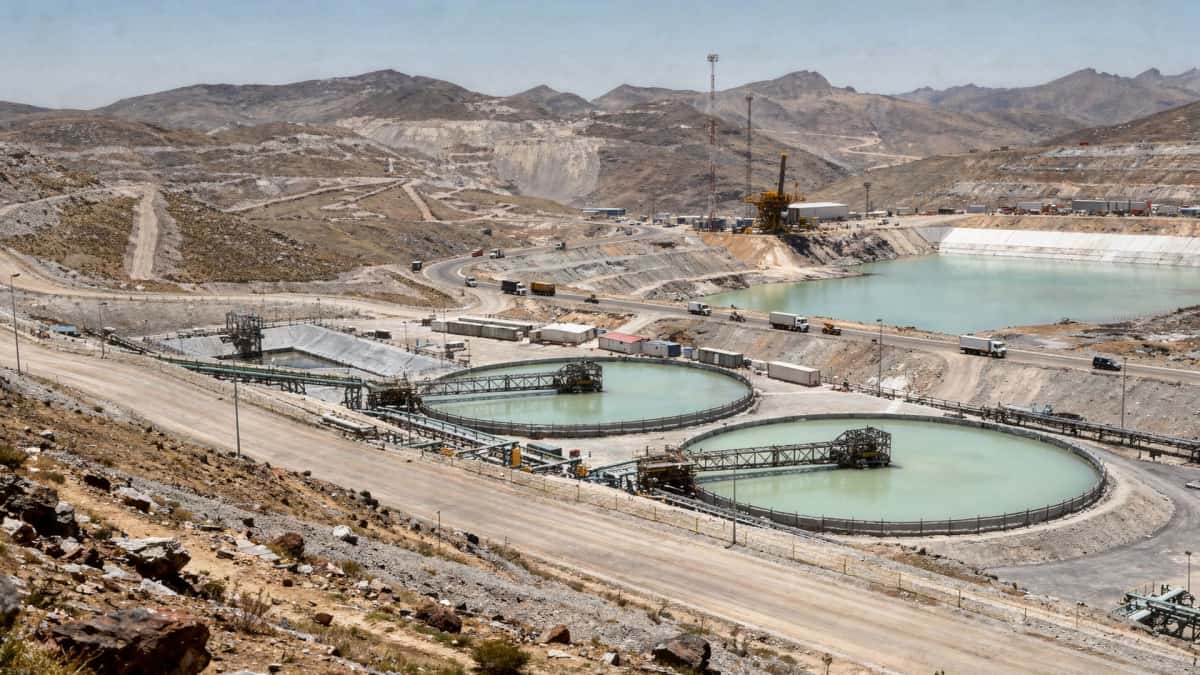
Why it matters: Reducing losses between quarrying and processing could determine whether Khyber Pakhtunkhwa captures more value and employment from its mineral resources.
More than 2.9 billion tonnes — Pakistan’s estimated marble reserves, according to an industry association president.
About 75% — the estimated share of those reserves located in Khyber Pakhtunkhwa.
Nearly six of every 15 slabs — the amount of marble said to be lost during conventional extraction.
About 30% — the share of the province covered by geological mapping to date.
In Peshawar, a three-worker workshop processing Ziarat marble from Mohmand into slabs offers a small-scale example of the local value addition Khyber Pakhtunkhwa wants to expand. But industry representatives say outdated quarrying, high equipment and power costs, and inadequate infrastructure make it difficult to turn the province’s mineral endowment into a larger processing sector.
Faraz Khan opened the workshop last year after entering the trade as a worker in 2016. Its slabs are used in homes, offices and commercial buildings. Khan sees investment potential in marble and granite, citing demand for construction materials in Khyber Pakhtunkhwa and Punjab. The province also has deposits of chromite, copper, limestone, coal, gemstones, quartz and silica sand.
Explosives and equipment costs constrain marble recovery
Sher Bandi Marwat, president of the Frontier Mine Owners Association, said Pakistan has more than 2.9 billion tonnes of marble reserves, with about three-quarters in Khyber Pakhtunkhwa. These are industry estimates, not figures from a newly reported geological assessment.
Marwat said the use of explosives in quarrying damages saleable stone, with nearly six of every 15 slabs lost during extraction. He called for modern equipment, technical training and affordable financing. Taxes, expensive electricity and the cost of imported machinery also discourage investment in mechanisation, he said.
The effects reach buyers. Riaz Khan, a marble consumer in Nowshera, said rising prices for two-foot white marble slabs make quality construction materials harder for lower-income households to afford. He called for transparent pricing and effective regulation.
Gold-contract inquiry adds scrutiny to oversight
Samar Haroon Bilour, the governor’s adviser for information and public relations, alleged large-scale illegal alluvial gold mining in the province. She also said gold-mining contracts worth 4 billion rupees, awarded in 2024, were suspended in 2025 after an investigation by Pakistan’s National Accountability Bureau.
Following the suspension, Governor Faisal Karim Kundi formed a joint investigation team led by a former High Court judge to examine alleged irregularities and identify those responsible, Bilour said. No findings from the inquiry were detailed in the available information, and the allegations remain under investigation.
Industrial zones and gem facilities form part of expansion plans
Gemstones offer another potential source of local value addition. Yousaf Sarwar, former president of the Sarhad Chamber of Commerce and Industry, cited emeralds from Swat, topaz from Mardan, nephrite from Mohmand and peridot from Kohistan as stones with international demand. He said the sector lacks an efficient processing and export chain.
Mamoor Khan, patron-in-chief of the Pakistan Commercial Exporters Association, put the country’s potential gemstone exports at US$32 billion. He identified illegal mining, smuggling and a shortage of cutting, polishing and certification facilities as barriers, and proposed developing Peshawar’s Namak Mandi market into an internationally recognised grading and testing centre.
The provincial initiatives include a mining cadastral portal intended to improve transparency and support investment, as well as plans for gemstone and mineral-testing laboratories, technical training and certification, and a mineral complex in Hayatabad. Mohmand Marble City is being developed across 350 acres, with a similar project planned for Buner. More than 28 industrial units have started production at Marble City Risalpur, according to reports; mineral-industry sites are also planned in the Rashakai and Nowshera special economic zones.
A proposal to move marble plants from Warsak Road to industrial zones is intended to reduce dust and improve working conditions. The industry is also seeking cheaper power, accessible financing, lower duties on imported machinery and skilled workers, alongside mine rehabilitation, environmental safeguards and workplace safety. Geological mapping with the Geological Survey of Pakistan covers about 30% of the province, leaving much of that work still to be completed.
More in Resources
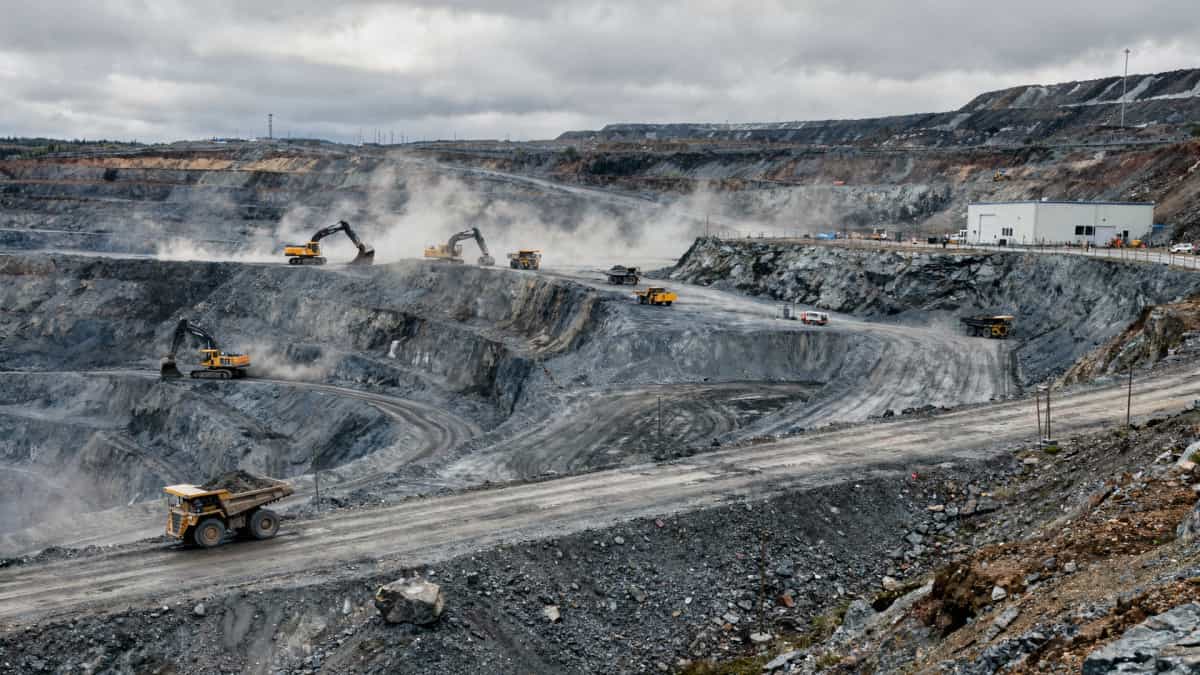
Kantra advances Coburn study as rail haulage costs remain under review
The plan would send Coburn ore to Kanmantoo’s existing plant, but the proposed rail route still needs a firmer cost basis.
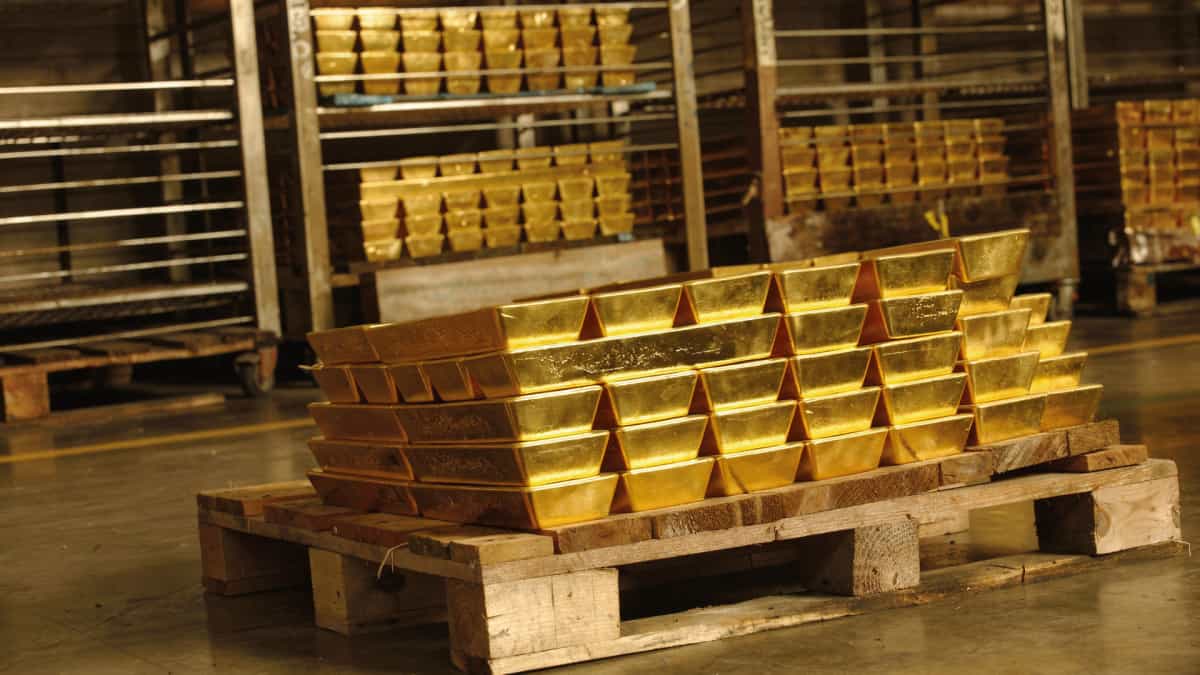
Costa Rica deploys US-backed helicopters in Crucitas mining raid, but their role is unclear
The operation reaches a hard-to-access border corridor where authorities say gold-bearing sediment from Crucitas is processed.
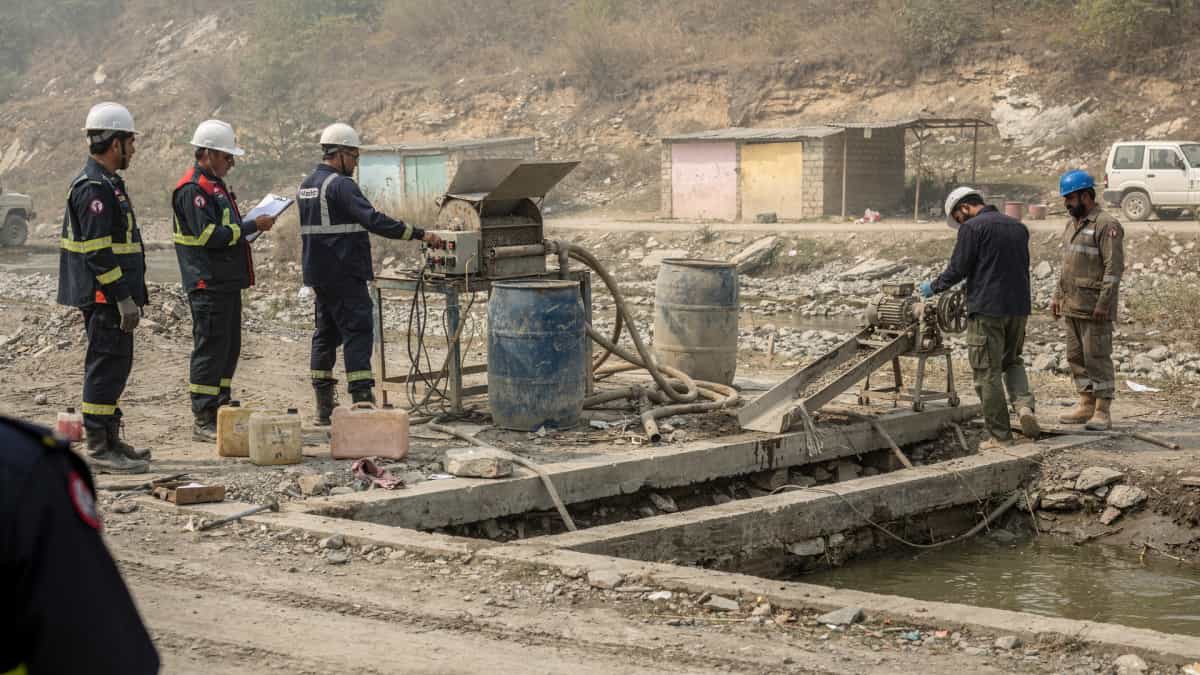
Pakistan demolishes 237 illegal gold sites in Nowshera, but wider assets remain unclear
The Amanpura operation extended beyond extraction points into processing plants, machinery and local businesses.