
Nueva Centinela nears startup as Antofagasta’s copper recovery lags 2025
At the US$4.4 billion project, equipment trials are under way as the group advances separate water and infrastructure work elsewhere in Chile.
Why it matters: The next phase of Antofagasta Minerals’ growth depends on converting major construction and water-supply investments into sustained copper output.
151,900 tonnes — copper produced in Q3 2026, up 7% from the previous quarter.
436,900 tonnes — copper produced in the first nine months, down 8.3% year on year.
More than 90% — Nueva Centinela’s overall construction progress as of November 17.
630,000–690,000 tonnes — the company’s copper production guidance for 2027.
Antofagasta Minerals produced 151,900 tonnes of copper in the third quarter of 2026, its strongest quarterly result of the year, while construction at its US$4.4 billion Nueva Centinela expansion passed 90% and critical equipment entered testing. The company plans to start up the new concentrator in 2027, but its year-to-date copper output remained below 2025 levels.
Nueva Centinela moves into equipment testing
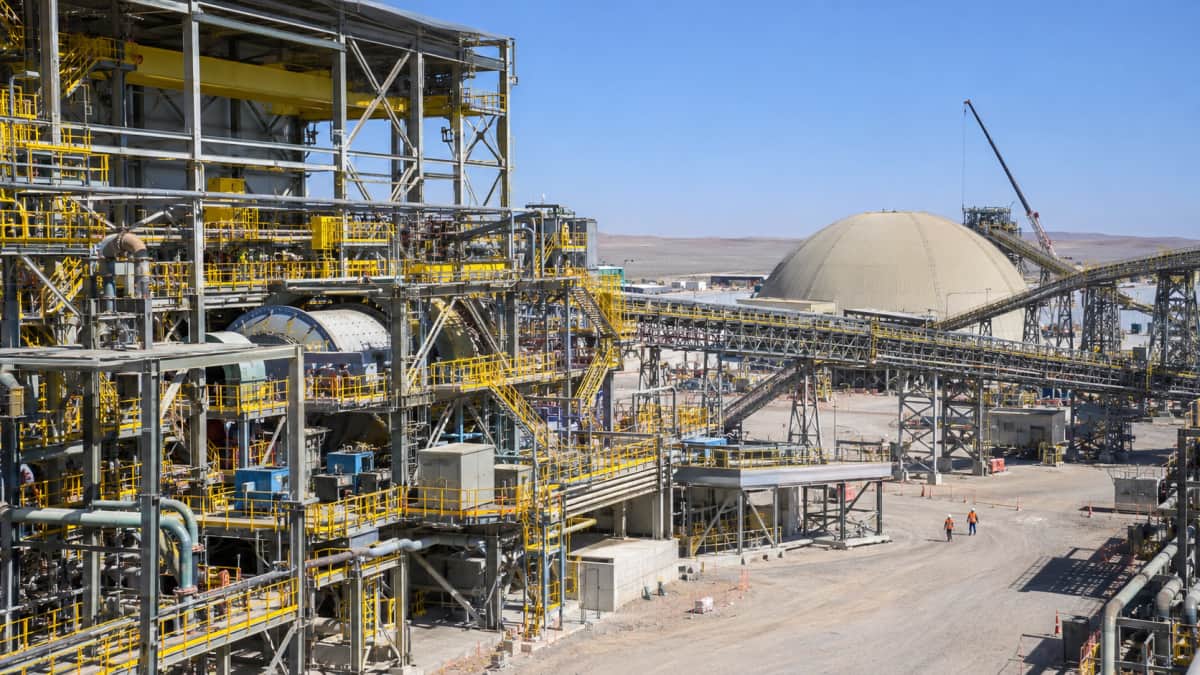
The expansion at Minera Centinela, in Chile’s Antofagasta Region, had passed 90% overall construction progress by November 17. On November 10, the project energised and completed the first no-load rotation of ball mill No. 1, a key component of the grinding circuit. Work also continues on primary crushing, ore transport systems and port infrastructure for concentrate shipments.
The new concentrator is expected to add about 144,000 tonnes of copper a year, as well as increase gold and molybdenum production. The project is designed to extend Centinela’s operating life by about 30 years and includes high-efficiency grinding, process automation, autonomous transport and remote operations. Its eventual contribution will depend on commissioning and the time needed to stabilise the new facilities.
Los Pelambres lifts quarterly output after July disruption
Minera Los Pelambres helped drive the group’s quarterly recovery, producing 79,300 tonnes of copper in Q3, 17.5% more than in the prior quarter. Heavy rain and power-supply interruptions in July temporarily halted mining and processing. Operations resumed on July 23, and recovery activity, including processing accumulated inventories, contributed to the subsequent increase.
The mine is also advancing a desalination plant expansion that will double capacity from 400 to 800 litres per second, alongside a new concentrate-transport system involving pipelines, civil works and tunnels. Hydraulic tests began on sections of the transport system during the quarter; construction and commissioning for both projects are scheduled to finish in 2027.
A separate Los Pelambres operational adaptation project, submitted for environmental review in December 2024, considers extending the mine’s life to 2051 and increasing processing capacity to as much as 205,000 tonnes of ore per day. The proposal remains subject to environmental approvals, technical studies and investment decisions.
Year-to-date volumes and costs remain under pressure
From January to September, Antofagasta produced 436,900 tonnes of copper, compared with 476,600 tonnes in the same period of 2025, an 8.3% decline. The company attributed the decrease mainly to lower grades in Centinela’s concentrate line and lower recoveries in its cathode production. Across the same periods, net cash costs rose 3.2% to US$1.28 per pound, while costs before by-product credits increased 19.6% to US$2.81 per pound. Higher diesel and sulphuric acid costs weighed on operations; stronger gold and molybdenum prices partly offset the pressure. A competitiveness programme generated US$67 million in savings and productivity improvements in the first half, against a US$110 million annual target.
The group is maintaining a US$3.4 billion investment programme for 2026 and forecasts 625,000–655,000 tonnes of copper for the year. Its 2027 guidance is 630,000–690,000 tonnes, supported by higher expected grades at Los Pelambres that are forecast to partly offset lower sulphide grades at Centinela.
Antofagasta also approved an investment of about US$900 million, on a 100% project basis, for a new water-supply system at Zaldívar. The infrastructure is intended to replace continental water use from mid-2028 and is a condition for the mine’s planned operational continuity to 2051. Nueva Centinela’s start-up is scheduled for 2027, with its full production contribution dependent on the stabilisation of the new facilities.
More in Resources
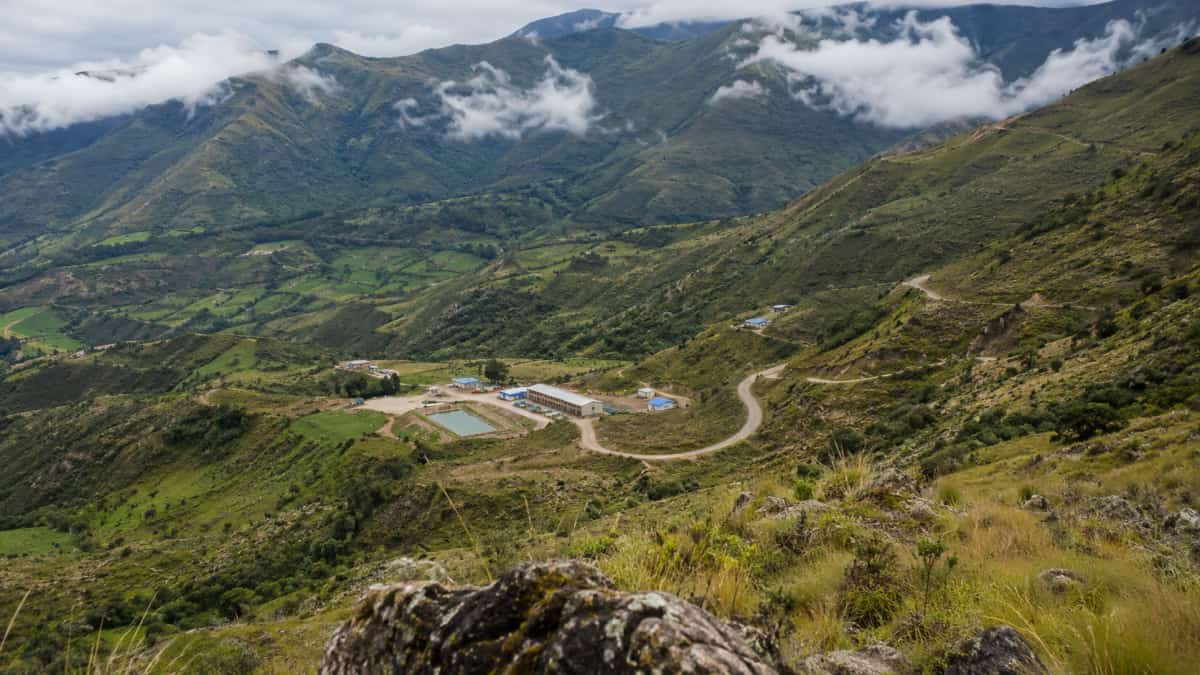
Peru’s copper base expands as La Granja’s processing economics remain unresolved
La Granja’s scale is clear, but metallurgy, power and infrastructure must still support a viable operation.
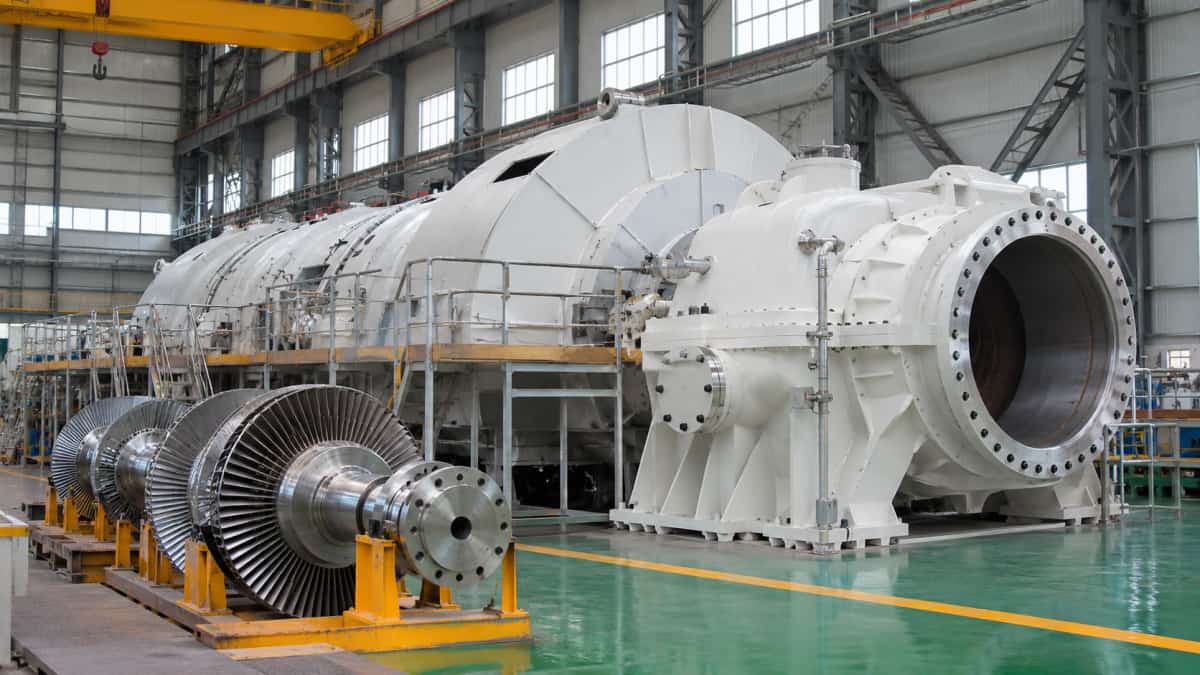
China’s 600 MW compressed-air expander clears tests, but plant performance remains unproven
The machine is twice the scale of equipment at operating projects, but its power rating alone does not show how long it can discharge.
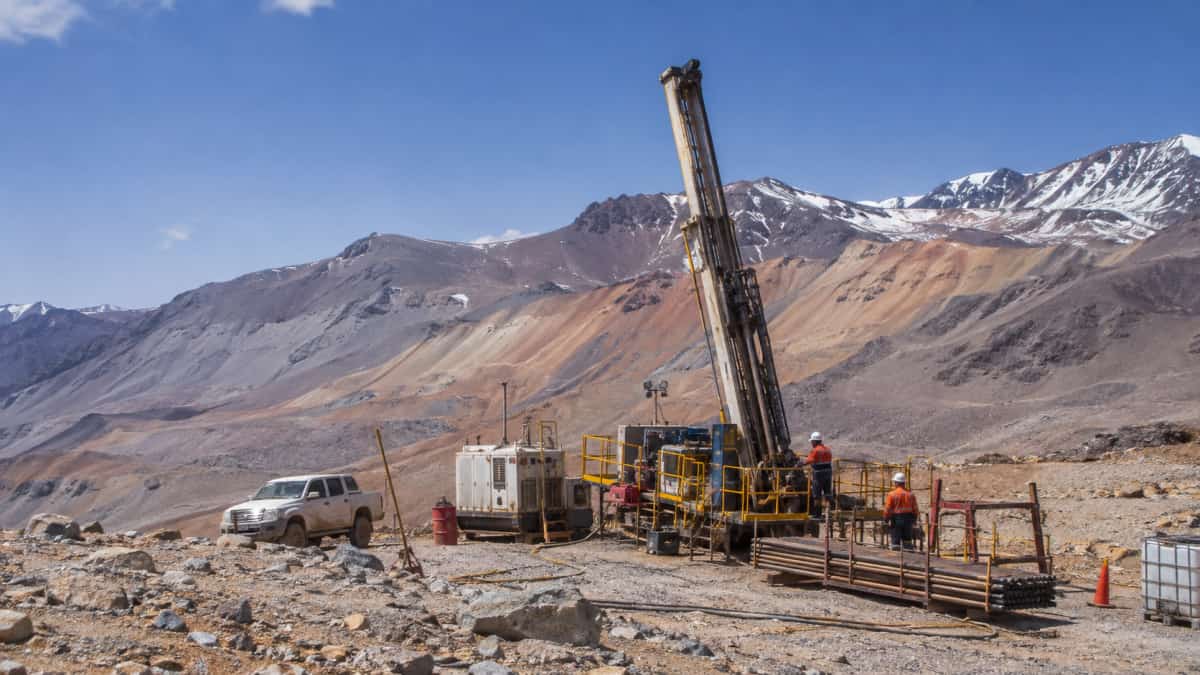
Vicuña’s US$18 billion plan tests how Chile and Argentina will run a cross-border mine
Its deposits straddle the Andes, while the operating model still has to fit two national regulatory systems.