
NHL’s 240-tonne electric mine truck faces a grid-power test
Fast charging could shorten downtime, but open-pit fleets would need to draw large amounts of electricity in concentrated periods.
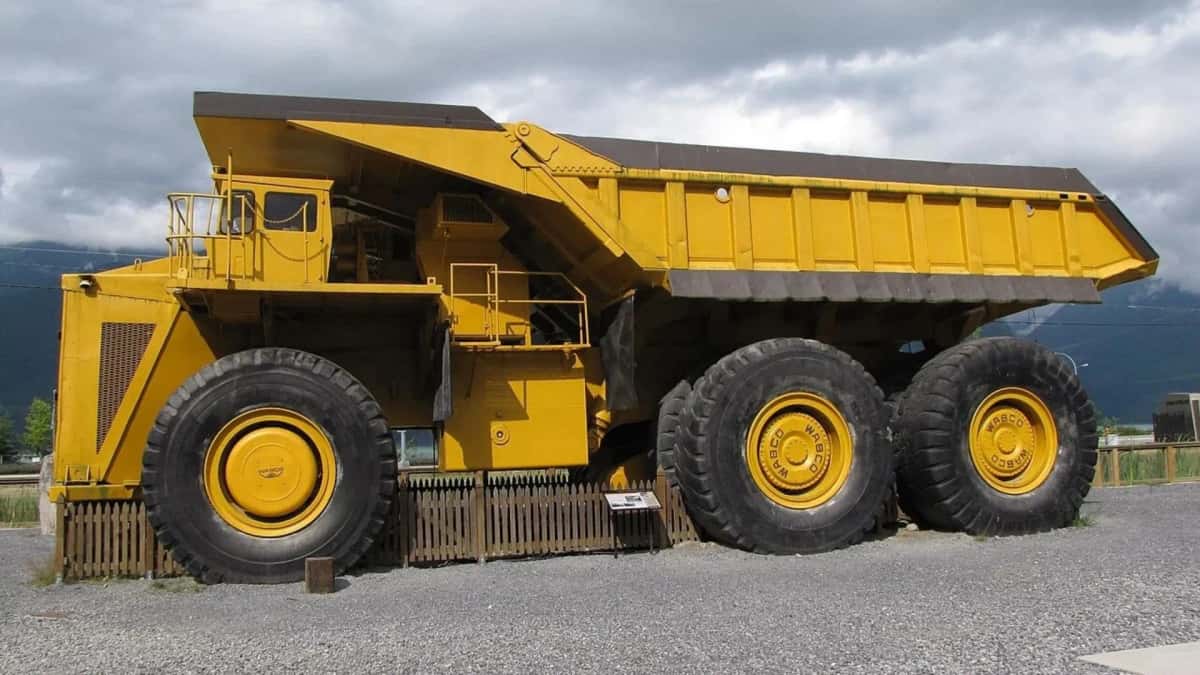
Why it matters: Electrifying high-tonnage haulage could cut diesel use, but charging multiple trucks quickly may require substantial mine-site power infrastructure.
240 tonnes — payload capacity of NHL’s NTE240E electric haul truck.
3,100–4,100 kWh — battery capacity options cited by the manufacturer.
Under 60 minutes — claimed time to charge from 20% to 90% at 25°C.
More than 60% — operating-cost reduction NHL estimates against comparable diesel trucks.
Inner Mongolia North Hauler Joint Stock Co. (NHL) unveiled its NTE240E, a fully electric mining truck designed to carry 240 tonnes in open-pit operations, at the China International Import Expo in Shanghai in November 2026. The truck combines a large battery, fast charging, overhead power supply on selected routes and regenerative braking; integrating those systems into a mine’s operating cycle will require adequate electrical capacity.
Battery capacity and charging requirements
The NTE240E can be configured with battery storage from 3,100 kWh to 4,100 kWh. NHL says the largest configuration can charge from 20% to 90% in less than an hour under ambient conditions of 25°C, using two liquid-cooled, high-power direct-current connectors.
A shorter charging window could help limit downtime, particularly if charging can be scheduled around shift changes or maintenance periods. But the charging rate also creates an infrastructure requirement: a mine adopting several trucks would need to assess its distribution capacity, the concurrent demand from chargers and whether energy storage is needed. Battery capacity alone does not determine operating range; payload, route distance, gradients and working conditions all affect energy use.
Overhead power and energy recovery
The truck can also draw electricity from overhead lines on designated sections of a haul route. NHL’s system is intended to provide power during loaded climbs, reducing the energy taken from the onboard battery. On descents, regenerative braking allows the electric motors to act as generators and return some energy to the battery.
The manufacturer says an optimisation to the braking control system improves energy recovery on downhill runs by 15%. The benefit will depend on each mine’s haul-road profile and operating pattern; routes with substantial elevation change may offer more opportunity to recover energy. The claimed improvement is not a substitute for site-specific performance data.
Cost and emissions claims await operating evidence
NHL estimates that the NTE240E could reduce operating costs by more than 60% compared with a diesel truck of equivalent capacity. The comparison reflects potential savings from eliminating direct diesel consumption and some combustion-engine maintenance, but a mine’s economics would also depend on electricity prices, battery costs, charging infrastructure and maintenance of high-voltage systems.
The company also estimates that each truck could avoid more than 2,000 tonnes of carbon dioxide emissions annually relative to a comparable diesel unit. Actual reductions would depend on diesel displaced, operating hours and the emissions intensity of the electricity supply; eliminating exhaust emissions at the truck does not remove the emissions associated with electricity generation.
NHL says more than 98% of the truck’s components are made in China. The model adds to the company’s electric haulage line, which includes the NTE130E, as Chinese manufacturers expand into high-capacity mining equipment. A commercial deployment of the NTE240E in Chile has not been confirmed. Its autonomy, availability and total operating costs remain to be demonstrated under sustained mine conditions, including the terrain and environmental demands of individual sites.
More in Resources

Chile's Navy warns El Niño may lift summer swells as November event nears its end
The current northwest swell has a separate weather-system origin, while beach season is due to begin on December 15.
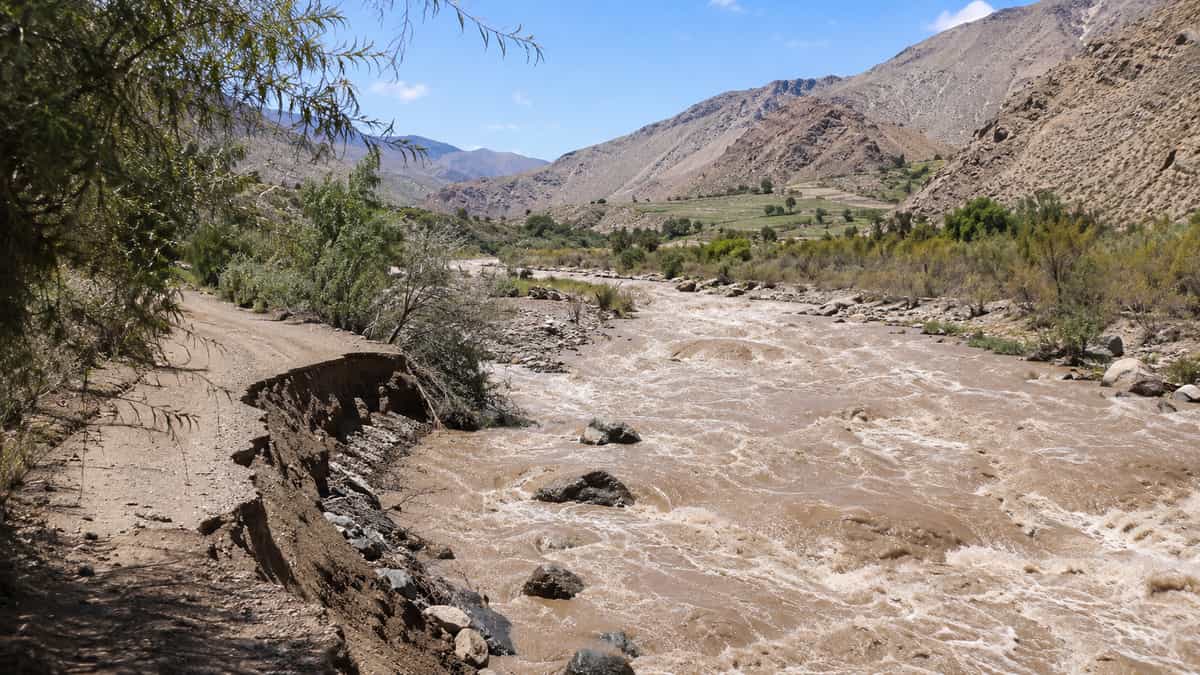
Atacama and Coquimbo set preventive emergency as meltwater cuts access
Rising cordillera flows are disrupting remote communities and putting rural services and mining transport routes under pressure ahead of summer.
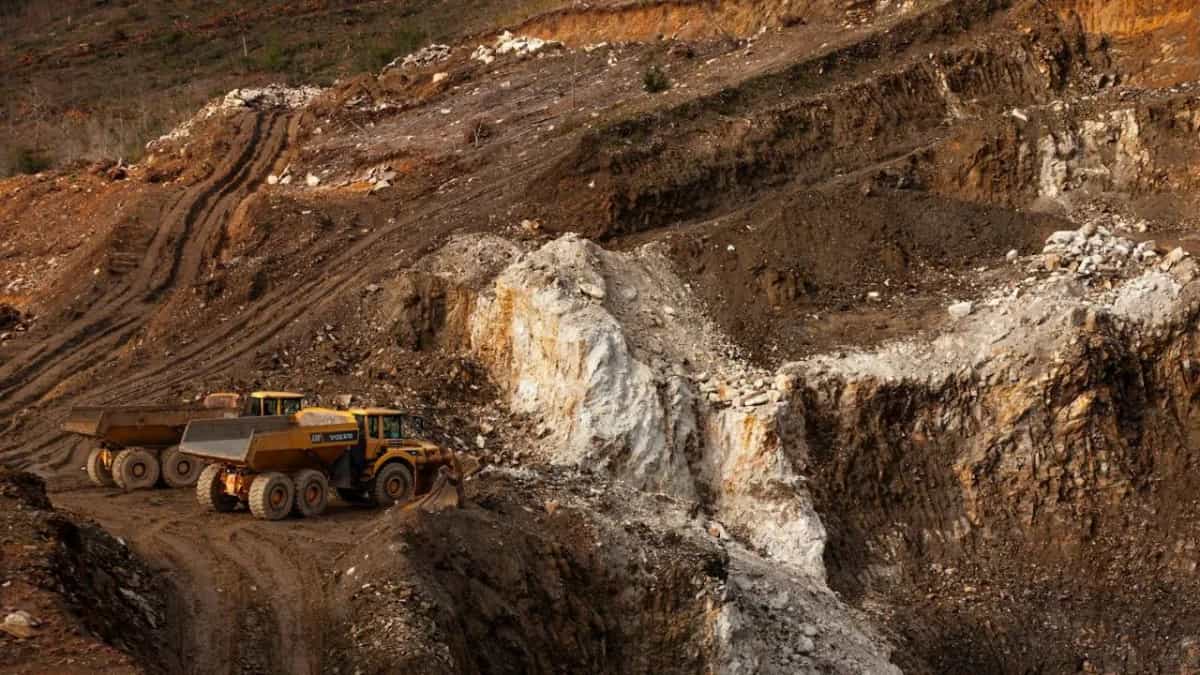
Resouro mobilises equipment at Luizão as Novo Mundo gold trial remains conditional
Equipment is clearing an existing pit, while two other proposed pits remain planning concepts for the broader project.