
Chile's Navy warns El Niño may lift summer swells as November event nears its end
The current northwest swell has a separate weather-system origin, while beach season is due to begin on December 15.
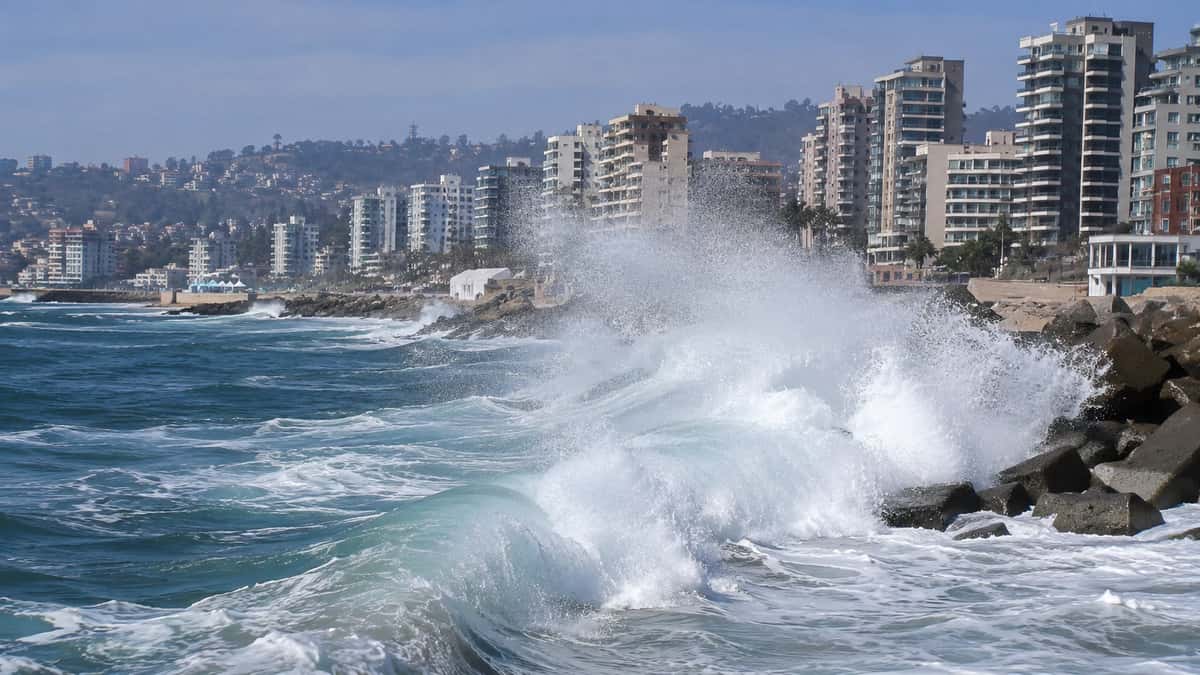
Why it matters: More frequent summer swells could disrupt coastal tourism, small-vessel operations and businesses along exposed parts of Chile's shoreline.
November 23 — end date for the current abnormal-swell alert.
08:30–10:30 — morning period of heightened risk during the current event.
20:30–22:30 — evening period of heightened risk during the current event.
December 15 — planned start of Chile's beach season.
Chile's Navy warned on November 21 that El Niño could contribute to more frequent swells during the 2026-27 summer, as an abnormal-swell event affecting the coast from Arica to the Gulf of Arauco, including the Juan Fernández archipelago, is forecast to continue through November 23.
The current waves are coming from the northwest and were generated by a frontal system in the Northern Hemisphere, the Navy said. They could produce strong breakers, water overtopping onto land and damage to coastal infrastructure. The Navy's warning for the summer describes a potential seasonal influence; it does not identify El Niño as the direct cause of this November event.
Current alert covers exposed coastlines
The alert spans the regions of Arica and Parinacota, Tarapacá, Antofagasta, Atacama, Coquimbo, Valparaíso, O'Higgins, Maule, Ñuble and parts of Biobío through the Gulf of Arauco, as well as Juan Fernández. The effect will vary by location, depending on local weather, the direction of the swell, seabed features and the orientation of bays. Beaches and bays open to the northwest are particularly exposed in this event.
The Navy identified 08:30 to 10:30 and 20:30 to 22:30 as periods of greater risk, when high tides coinciding with the swell could push water into areas that are usually dry. The most intense conditions were expected between Friday, November 20, and Sunday, November 22, although the alert remains in force until Monday. The listed time windows apply to this event, not to future swells, and the risk can persist outside those periods.
Seasonal outlook is distinct from the November event
Gonzalo Espinosa, head of the Navy's Meteorological Service, said conditions associated with El Niño could favour a greater frequency of swells over the summer, potentially before the beach season begins on December 15. El Niño alters oceanic and atmospheric conditions in the tropical Pacific, but its effects vary with the event's intensity, the time of year and location. Each swell episode still requires its own assessment of origin, track, intensity and duration.
More frequent warnings could mean temporary swimming restrictions, cancelled recreation and access problems at exposed beaches. Strong waves may also affect small-boat navigation, fishing and the loading or unloading of vessels. Coastal businesses and port operators could face interruptions or changes to operations, depending on local conditions and decisions by maritime authorities.
The hazard is not limited to people entering the water: large waves can also reach rock platforms, piers, seawalls and coastal walkways. The Navy advises the public to follow local restrictions, keep clear of exposed structures and check maritime notices before visiting beaches or planning sea-based activities. The current alert does not automatically extend through the summer; the next steps depend on new weather systems and ongoing monitoring of El Niño and coastal conditions.
More in Resources
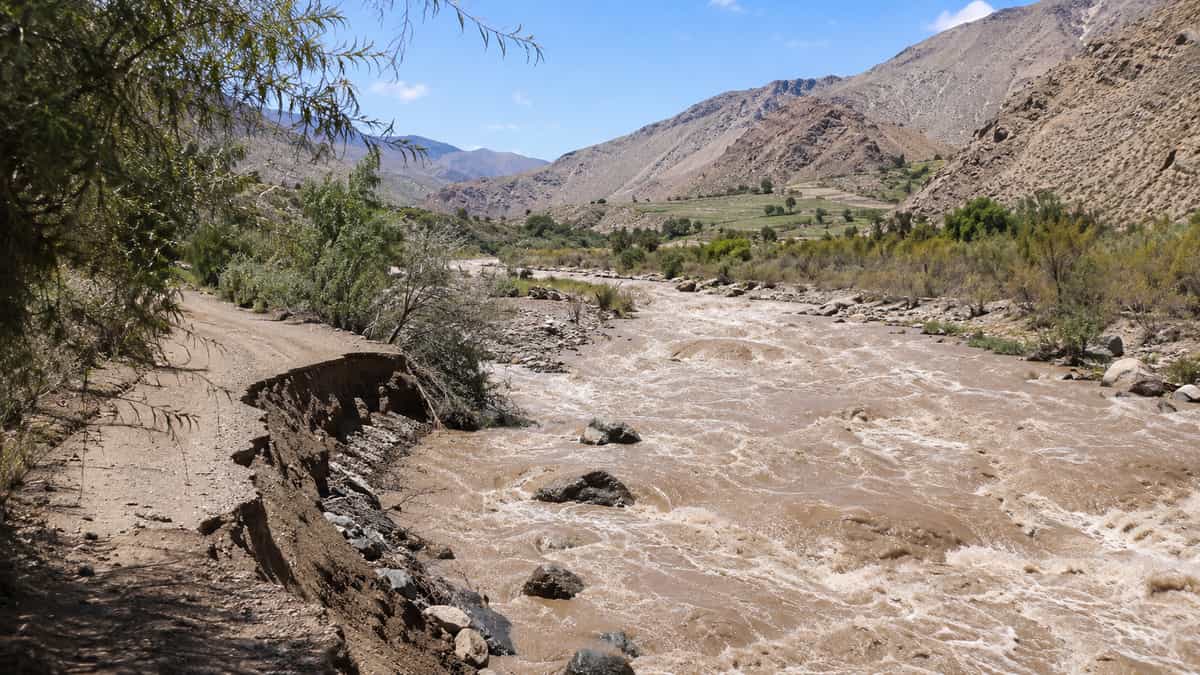
Atacama and Coquimbo set preventive emergency as meltwater cuts access
Rising cordillera flows are disrupting remote communities and putting rural services and mining transport routes under pressure ahead of summer.
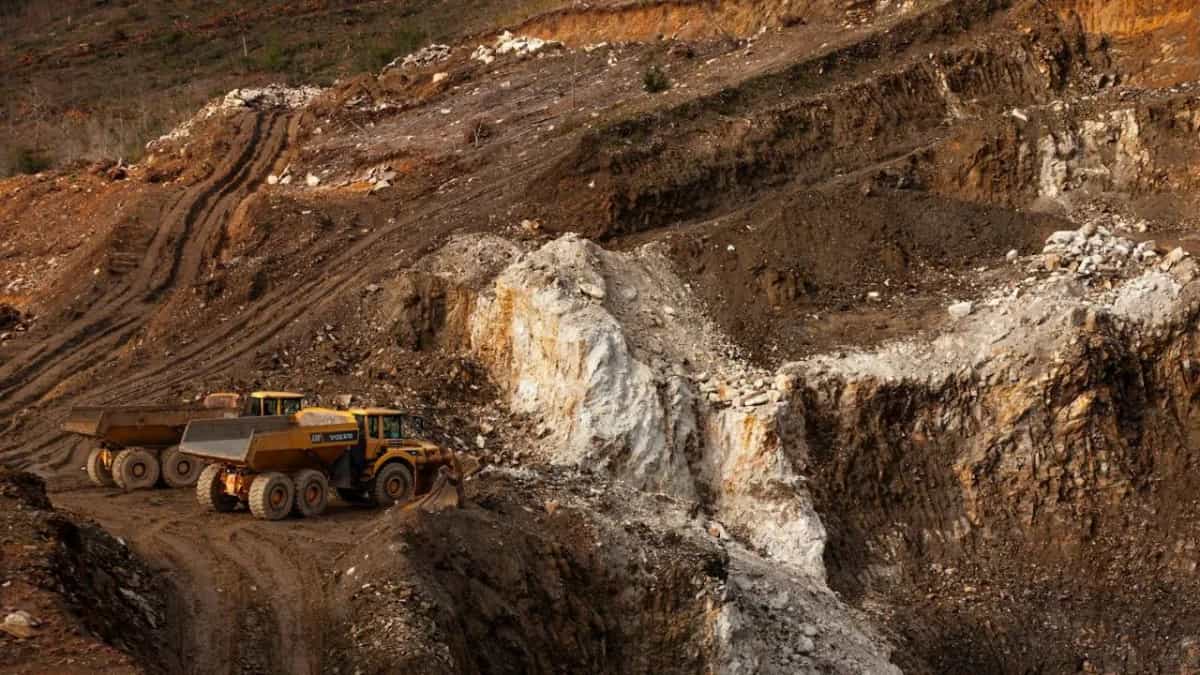
Resouro mobilises equipment at Luizão as Novo Mundo gold trial remains conditional
Equipment is clearing an existing pit, while two other proposed pits remain planning concepts for the broader project.

ICMM maps 12,000 mining sites, but biodiversity overlap depends on the measure
The global dataset compares ecosystem condition with recognised conservation areas, two lenses that do not describe the same kind of overlap.