
Atacama and Coquimbo set preventive emergency as meltwater cuts access
Rising cordillera flows are disrupting remote communities and putting rural services and mining transport routes under pressure ahead of summer.
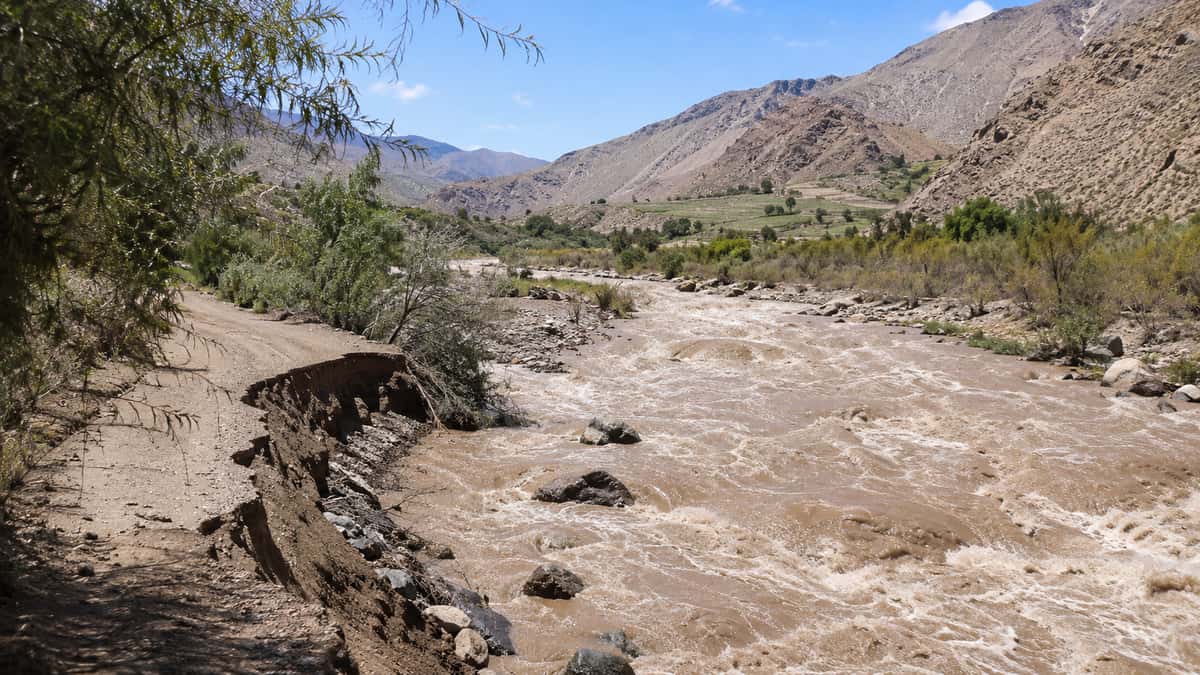
Why it matters: Meltwater-driven road closures can isolate communities and disrupt worker movements, freight and essential services across two mining regions.
2,032 people — isolated in Atacama and Coquimbo as of November 21.
38 homes — reported with minor damage.
January 31, 2027 — scheduled end of the preventive emergency.
Atacama and Coquimbo entered a preventive emergency on November 21 after accelerated snowmelt raised the risk of river flooding and activated quebradas, or ravines. The measure is due to remain in force until January 31, 2027, as authorities strengthen monitoring and coordinate responses to potential damage to homes, roads, rural water systems and communities.
The declaration follows impacts already recorded in both regions. Atacama accounts for 1,117 isolated people, mainly in Alto del Carmen and parts of Tierra Amarilla; Coquimbo accounts for 915, with connectivity problems concentrated in Monte Patria and also reported in Vicuña, Paihuano and Ovalle.
Snowmelt threatens routes beyond the cordillera
Higher temperatures and declining snow cover can increase river flows quickly, including when there is no rain. Water originating in the mountains can travel downstream and affect settlements far from where the melt begins, making conditions at the point of impact difficult to infer from local weather alone.
Authorities have also reported difficulties on interior roads and with rural drinking-water systems. In addition to limiting access to health care, schools and basic services, road interruptions can complicate travel to work and the movement of freight and supplies. That creates a risk for mining companies, contractors and logistics operators working in or travelling through cordillera areas, where alternative routes may be limited. The available information does not report mine shutdowns or quantify any production impact.
Emergency status is not a blanket evacuation order
The preventive emergency brings together the National Service for Disaster Prevention and Response (Senapred), the General Directorate of Water (DGA), regional governments and municipalities to intensify river and ravine surveillance and prepare response capacity. It does not, by itself, require every community to evacuate, prohibit travel or constitute a constitutional state of emergency. Any restrictions or evacuations depend on local conditions and specific alerts.
Areas identified as exposed include Alto del Carmen, Tierra Amarilla and parts of Huasco province in Atacama, and Paihuano, Vicuña, Ovalle, Illapel, Salamanca, Monte Patria and Río Hurtado in Coquimbo. The level of risk varies by location, and sudden flows can affect areas downstream.
Route checks remain central through summer
The summer travel season is approaching, with more vehicles expected on routes to interior valleys, tourist destinations and mountain areas. Authorities are to continue tracking flows, reviewing infrastructure pinch points and coordinating resources during the emergency period.
Residents and workers near rivers and ravines are advised to avoid entering waterways or crossing flooded roads, identify higher ground and follow instructions from Senapred and local authorities. Mining operators and contractors should check route conditions and maintain communication protocols with workers and nearby communities. The next operational indicator is whether monitoring and access assessments can keep pace with changing flows through January 31.
More in Resources
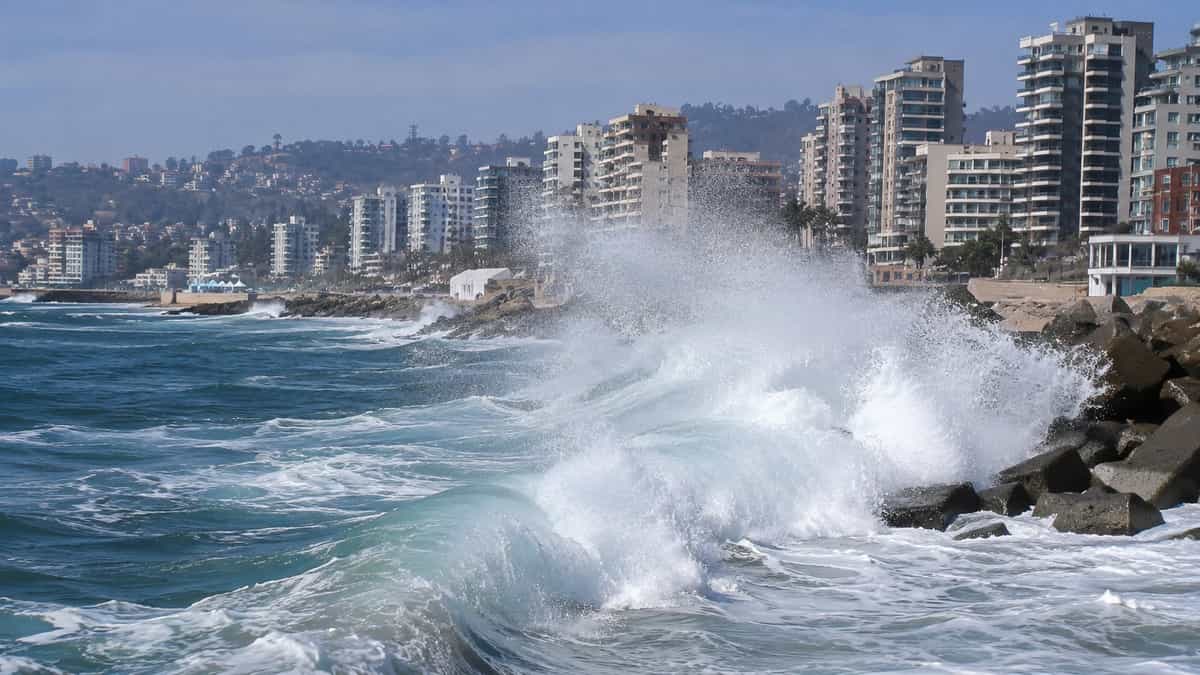
Chile's Navy warns El Niño may lift summer swells as November event nears its end
The current northwest swell has a separate weather-system origin, while beach season is due to begin on December 15.
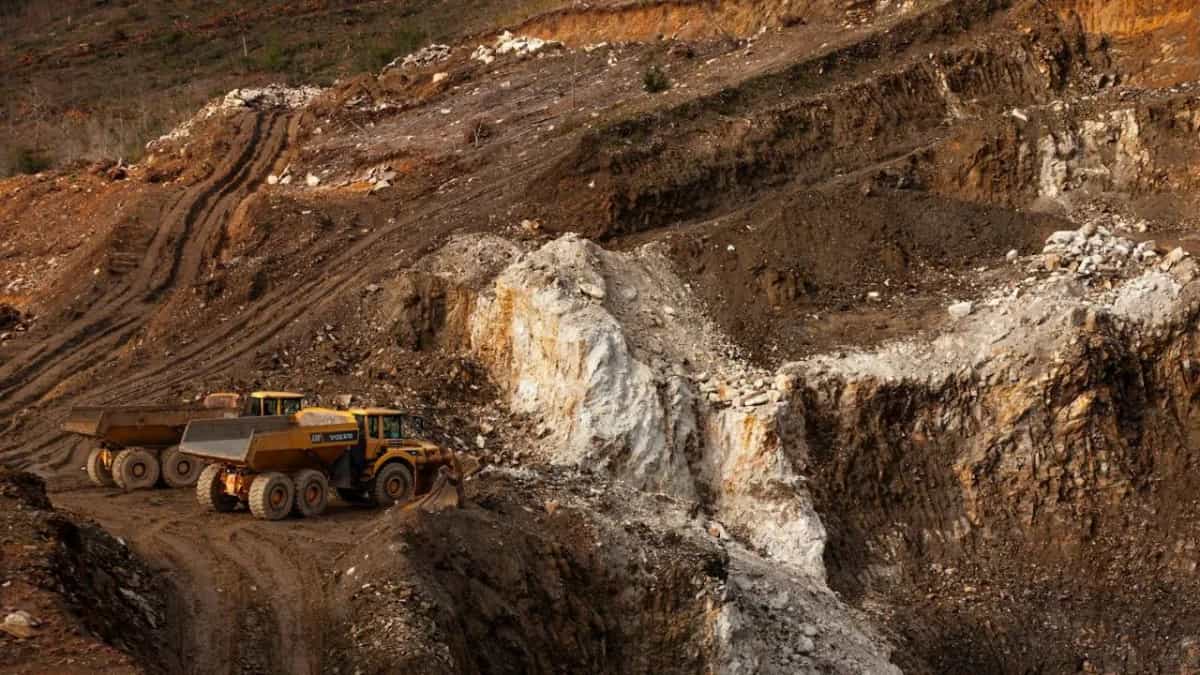
Resouro mobilises equipment at Luizão as Novo Mundo gold trial remains conditional
Equipment is clearing an existing pit, while two other proposed pits remain planning concepts for the broader project.
ICMM maps 12,000 mining sites, but biodiversity overlap depends on the measure
The global dataset compares ecosystem condition with recognised conservation areas, two lenses that do not describe the same kind of overlap.