
Nathenje’s failed pumps leave households exposed as illegal gold mining muddies river
Four community pumps have been out of service since April 2025, leaving residents with fewer alternatives as access to the river deteriorates.
Why it matters: The loss of both functioning community pumps and a dependable river supply leaves households with limited options, while the scale of the mining activity is straining local oversight.
4 pumps — community pumping motors stopped working in April 2025.
More than 8 truckloads a day — estimated volume of soil and sediment entering river channels during gold searches.
K1,000 per container — cost residents with sufficient means can pay for water transported from distant boreholes.
Women in Nathenje, near Lilongwe, are digging into the muddy riverbed for water as illegal gold mining adds sediment to the channel and four community pumping motors remain out of service. Residents say the river water is no longer suitable for household tasks, leaving families to queue at two boreholes or pay for water brought from elsewhere.
Mining sediment has changed the river’s role
Nathenje’s water network has relied since 2014 on a mix of kiosks, taps, boreholes, wells and the river. When the four motors operated by the local Water Users Association failed in April 2025, community taps became unusable and more households turned to the river. Residents say access to boreholes has also become more difficult because of problems they attribute to theft.
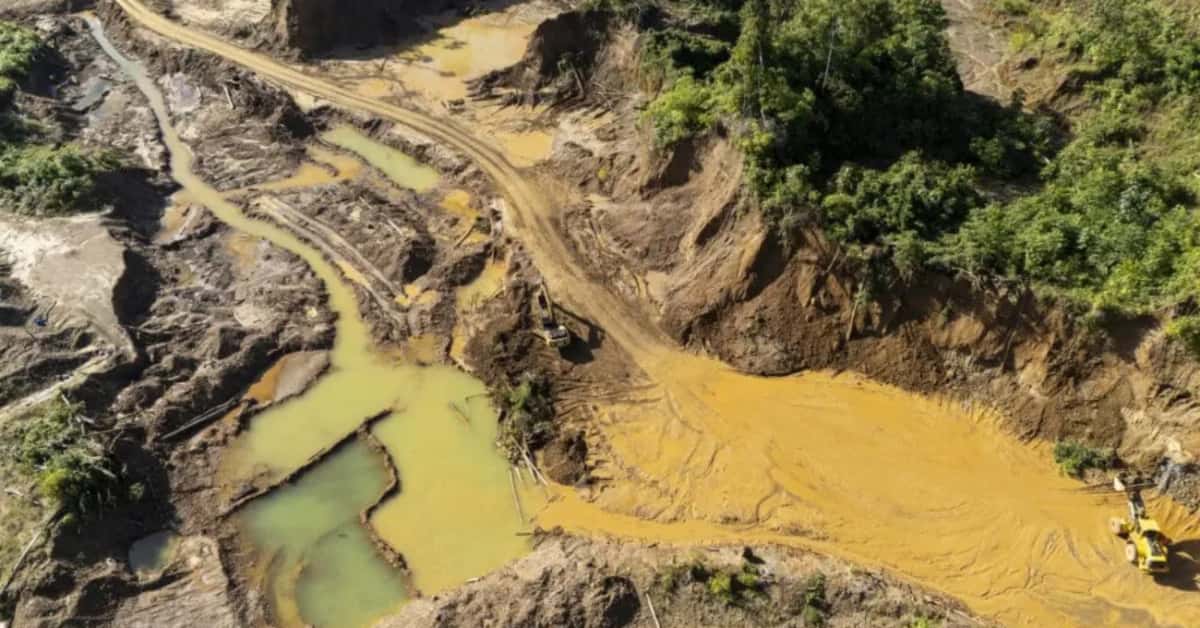
Small-scale gold panning is not new to Nathenje, according to the village development committee’s chair, but the current activity is on a different scale. An estimated more than eight truckloads of soil are washed into river channels each day in the search for gold. The deposited material impedes water flow and has left parts of the river muddy and brown, residents say.
The available account documents visible sediment and changes to the channel, but provides no water-quality tests or measurements identifying specific contaminants. Residents’ immediate concern is the loss of a usable backup supply: the river can no longer reliably meet basic household needs while taps are out of service and borehole access is limited.
Water collection adds time and cost for households
Residents described women digging into a deep, muddy hole in the riverbed on November 23, while others waited beside a nearby well with empty buckets. Fetching water can involve walking, digging and queuing for hours, time taken away from farming, businesses, education and rest. Women and girls bear much of that burden, and those travelling early or returning late may face safety risks in the dark; no specific incidents were reported.
The cost of alternatives widens the gap between households. Residents with greater means can pay up to K1,000 per container for water transported from distant boreholes, while poorer families cannot sustain that expense. With the river no longer a reliable source, households have fewer ways to replace the water they previously collected there.
Gender and social inclusion specialist Judge Alfred Banda said the effects of water insecurity and environmental degradation vary according to households’ resources and livelihoods. He argued that responses to illegal mining should address not only enforcement but also its economic drivers, access to water, alternative livelihoods, environmental protection and children’s education.
New wells are promised, but drilling has no reported start date
Local leaders raised both the infrastructure failures and the river damage with Lilongwe District Council. The neighbourhood committee said officials had begun a community survey and promised new community wells and protected boreholes away from the affected river system.
Local leaders regard the survey as an initial step, but no date has been given for drilling. Until new sources are operating, the four failed motors remain part of an out-of-service system and residents continue to rely on limited alternatives.
More in Resources
Argentina targets US$32.7 billion in copper and lithium exports, but can it build?
The forecast leans heavily on copper, but Argentina has yet to build the large-scale operating base needed to deliver it.
Antofagasta records 40-plus robberies as mining security extends beyond sites
Copper loads, power infrastructure and digital systems widen the exposure, but the reported counts do not show how many attacks succeeded.

Gold retreats after US orders report splits between headline and capital spending
The total-orders reading and a business-investment measure diverged, leaving markets with two different readings of October demand.