
Antofagasta records 40-plus robberies as mining security extends beyond sites
Copper loads, power infrastructure and digital systems widen the exposure, but the reported counts do not show how many attacks succeeded.
reuters.com
Why it matters: Theft and digital disruption can threaten both copper shipments and the systems needed to keep Chilean mines operating.
More than 40 robberies — recorded in Antofagasta in the first eight months of 2026.
4.4 million cyberattack attempts — reported against the mining sector in the first three months of 2026.
About 300 truck robberies — reported in Chile in October 2025, alongside a 31% rise in transport-related crime during that year’s first half.
More than 40 robberies were recorded in Antofagasta during the first eight months of 2026 as security measures across Chile’s mining supply chain address risks to mine sites, copper transport, digital systems and electricity infrastructure. The reported figures describe separate threats, but do not establish how many attempted attacks succeeded or what losses they caused.
Security measures extend to roads and rail
At mine sites, the measures described include perimeter barriers, access controls and visitor registration. Video surveillance is also used to monitor areas, while mobile systems such as drones can cover wider ground and preserve footage that may help identify suspects after an incident. The available information does not identify which companies use these systems or how extensively they are deployed.
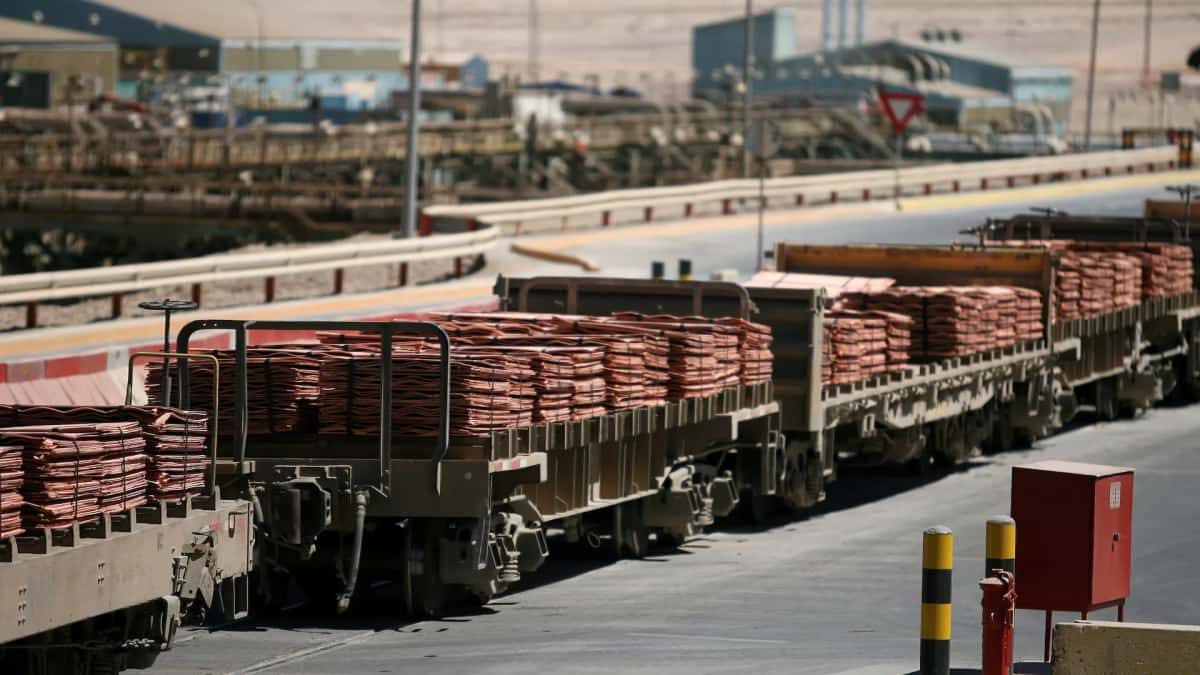
Protection efforts also extend to trucks and trains carrying mineral cargo. Measures cited include satellite tracking, vehicle-mounted cameras and variable route planning for trucks. Signal jamming and remote driving are also mentioned, but no locations or usage rates are provided. As a point of comparison, about 300 truck robberies were reported in Chile in October 2025; transport-related crime had risen 31% in the first half of that year.
Digital and power systems add operational exposure
The mining sector faced 4.4 million reported cyberattack attempts in the first three months of 2026. Potential targets include company information, financial platforms and work systems, which could leave operations more vulnerable if disrupted. No breakdown by company, attack type or measurement method accompanies the figure, and it does not indicate how many attempts resulted in a breach.
Major mining companies are reportedly looking to incorporate artificial-intelligence-based cybersecurity programmes to detect and counter attacks. No providers, investment amounts or implementation results are specified, so the reported plans do not establish that these capabilities are in place across the industry.
Electricity infrastructure is another stated concern. Criminal groups are described as targeting power systems to cause interruptions that could facilitate unauthorized access and theft. In response, companies are accelerating purchases of internet-connected equipment intended to monitor system performance in real time and detect electrical fluctuations. The scale of those purchases and their deployment is not detailed.
Causes and scale remain unclear
The increase in attacks is linked in the material to economic instability, higher copper and other metal values over the past decade, and a lack of modernization at some mines. No evidence is provided to measure the contribution of each factor or establish a direct causal relationship with the robbery count.
Assessing the trend will require further detail, including regional theft breakdowns, associated losses, confirmed digital incidents and the scope of security investments. The figures reported so far do not provide those measures.
More in Resources

Gold retreats after US orders report splits between headline and capital spending
The total-orders reading and a business-investment measure diverged, leaving markets with two different readings of October demand.
Copper ends 12-session London slide after near-year low, but stays below 2026 average
For Chile’s top export, uncertainty over Chinese demand now collides with expectations of higher US interest rates.

Sernageomin takes safety campaign to SQM’s Pampa Blanca, putting task controls in focus
The agency highlighted 21 critical safeguards, but did not identify which were checked at the Antofagasta operation.