
Latin America’s copper output towers over refining capacity as Chile weighs the next step
Chile’s established mining base does not automatically provide the technology, energy or markets needed for downstream industries.
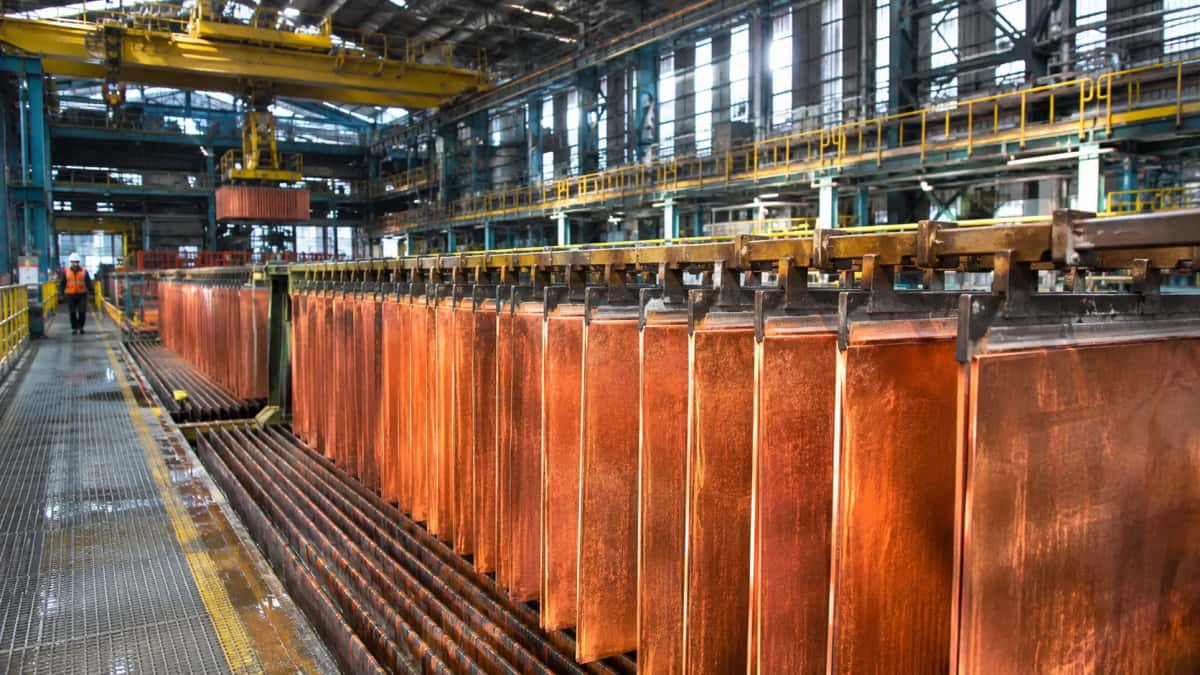
Why it matters: The gap between Latin America’s mining output and industrial processing capacity could determine how much economic value stays in the region.
About 40% — Latin America’s share of global copper mine production.
About 10% — the region’s share of global copper refining.
62% — the proportion of Latin American critical-mineral exports sold as primary products.
More than 15 years — the potential development period from early exploration to production for a new mine.
Latin America produces about 40% of the world’s mined copper but accounts for roughly 10% of global refining, according to an analysis by McKinsey and the World Economic Forum. The contrast captures a central challenge for Chile and its neighbours: translating mineral production into a larger role in processing, refining and manufacturing.
The region also produces about 30% of global lithium. Yet 62% of its critical-mineral exports are primary products, while 38% have undergone some degree of processing. The analysis argues that expanding industrial capabilities could help the region retain more value, but resource endowment alone does not guarantee competitive downstream businesses.
Copper reserves create an opening, not a guarantee
Chile and Peru hold about 30% of global copper reserves, while Chile and Argentina account for roughly 40% of lithium reserves. Brazil also has significant graphite and rare earths resources. The distribution creates scope for regional supply chains that draw on different countries’ mining, industrial and logistics capabilities.
Chile brings large-scale mining experience, specialised infrastructure and an established supplier base. But making copper products, electrical components or battery materials requires more than access to ore. Projects need capital, technology, reliable energy and markets capable of supporting them economically.
The country already produces lithium chemicals such as carbonate and hydroxide. Moving into active battery materials or other manufactured products would involve processes, expertise and supply chains distinct from those used in extraction. The analysis therefore frames value addition as a question of where Chile can compete, rather than an assumption that all production should be processed domestically.
Processing investment faces cost and infrastructure tests
Chile’s options in copper include strengthening smelting and refining, but expanding those capabilities would require investment and competitive operating costs. Energy supply and environmental requirements are also material considerations. Existing facilities in Chile, Peru and elsewhere in the region mean the issue is not an absence of industrial capacity; it is that capacity does not match Latin America’s weight in mining production.
Processing must also compete with large international facilities that may have advantages in scale or technology. The analysis points to a broader industrial opportunity beyond plants: local engineering, applied research, equipment manufacturing and specialised services can also increase mining’s economic footprint.
Automation, artificial intelligence and advanced data analysis could support new technology and service businesses linked to mining. Developing those capabilities, in turn, depends on skilled workers, including geologists, chemical engineers, metallurgists and specialists in maintenance and project delivery. Gaps in these skills can add costs or delay investment.
Long mine timelines compound the supply challenge
Building new copper supply is another constraint. A large mine can take more than 15 years to move from early exploration to production, with geological studies, resource estimates, engineering, environmental review, permits, financing and construction all contributing to the timeline. Long development periods leave projects exposed to changing mineral prices, capital costs and market conditions.
International estimates cited in the analysis suggest that, under certain project-development scenarios, mine supply could fall about 25% short of projected copper requirements by 2035. That is a potential shortfall, not an inevitable outcome; it depends on which new projects and expansions are actually developed. Improving productivity at existing operations and enabling responsible new production are therefore part of the regional supply picture.
One proposed response is a Chile-Peru copper cluster that could combine mining, services, logistics and processing capabilities. It remains a cooperation possibility, not an approved industrial project or committed investment. Moving it forward would require regulatory coordination, commercial agreements and long-term planning, as well as solutions for differences in energy availability, transport infrastructure and industrial priorities.
More in Resources

Cameco and Energy Fuels rally with Nvidia as uranium stocks track AI swings
A 57% slide in uranium miners had diverged from a rising long-term uranium price before Monday’s reversal.
Bolivia gold mining shrinks Inti tanager habitat as researchers lose access
The newly described endemic depends on dry forest in a narrow valley where fieldwork relies on access to areas affected by extractive activity.
Newmont Ghana jobs span mine roles, but applicants face a recruitment scam warning
The official listings cover Ahafo’s operating sites, while outside offers also claim a route into Newmont hiring.