
Cameco and Energy Fuels rally with Nvidia as uranium stocks track AI swings
A 57% slide in uranium miners had diverged from a rising long-term uranium price before Monday’s reversal.
global.techradar.com
Why it matters: Uranium equities now respond to AI-sector sentiment as well as fuel-market signals, which can pull share prices away from uranium’s underlying supply and demand.
7.4% — Cameco’s gain in New York on Monday; Energy Fuels rose 11%.
57% — Sprott Uranium Miners ETF decline from Jan. 28 to Nov. 19, while long-term U₃O₈ prices rose.
768 million lb — U₃O₈ utilities still need to contract through 2035, according to David Talbot citing UxC.
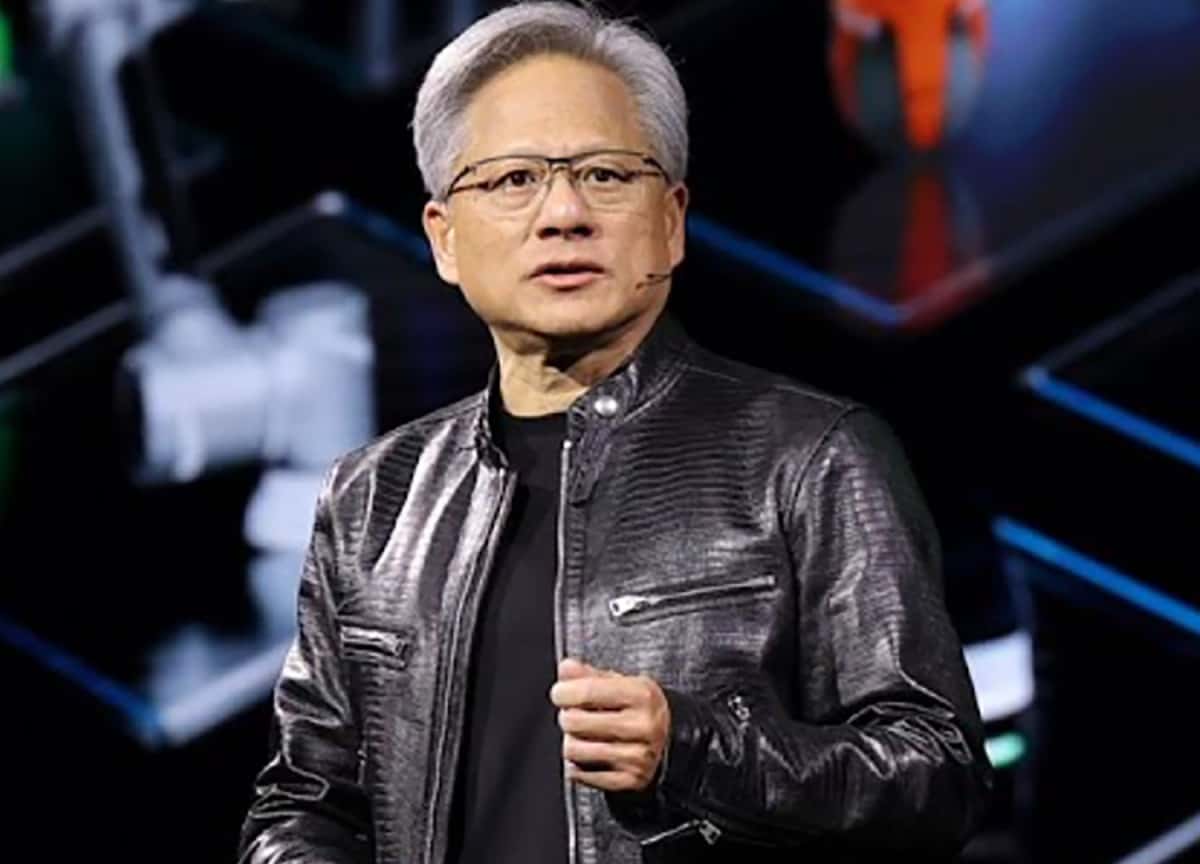
Cameco shares advanced 7.4% in New York and Energy Fuels rose 11% on Monday as Nvidia climbed 26% to US$158.11. The moves followed Nvidia’s board decision to reinstate co-founder Jensen Huang as chief executive, reversing part of the losses uranium producers had recorded after the Nov. 12 announcement of his departure. As of Nov. 23, Cameco shares on the NYSE were down 32.8% in 2026.
Cameco was quoted at US$62.30 in Toronto at about 9:42, equivalent to C$89.24. The Sprott Uranium Miners ETF, which holds uranium-mining shares, gained 6.3% to US$35.74.
AI sentiment has become a second driver
The Monday rebound followed a steep decline in uranium shares that did not match the direction of the long-term uranium price. From Jan. 28 to Nov. 19, the Sprott ETF fell 57%, while UxC’s long-term price for uranium oxide (U₃O₈) rose 10% to US$97 per pound.
David Talbot, mining analyst and head of equity research at Red Cloud Securities, said uranium shares once traded mainly on uranium prices but now also move with AI stocks. Technology companies’ agreements to buy nuclear power helped support uranium shares last year; declines in AI stocks have also weighed on miners.
Talbot reviewed 58 trading sessions since July 2025 when an AI-stock fund fell more than 1.5%. The uranium-miners fund also declined on 88% of those days. That points to an association between the two sets of shares, but the available analysis does not identify the AI fund or provide the full calculation method, so it does not establish that one caused the other to move.
Huang’s return does not alter uranium fundamentals
Nvidia’s board voted unanimously on Sunday to restore Huang as CEO. The decision followed consultations with senior US officials; the directors concluded that his return did not pose a national-security risk. Nvidia said its independent directors are continuing to investigate reports of a foreign-intelligence operation targeting the executive.
Talbot said the leadership decision does not change reactor demand or uranium supply and therefore does not alter the sector’s fundamentals. The share-price response nevertheless showed how closely uranium equities can now track movements in Nvidia and AI stocks.
Nuclear construction supports a separate demand outlook
The International Energy Agency estimated in its Nov. 19 outlook that nearly 90 gigawatts of nuclear capacity was under construction worldwide at midyear, the highest level in more than 35 years. Separately, Talbot cited UxC’s estimate that utilities still need to contract about 768 million pounds of U₃O₈ through 2035. Those long-term requirements provide a demand signal distinct from daily moves in technology shares.
More in Resources

Bolivia gold mining shrinks Inti tanager habitat as researchers lose access
The newly described endemic depends on dry forest in a narrow valley where fieldwork relies on access to areas affected by extractive activity.
Newmont Ghana jobs span mine roles, but applicants face a recruitment scam warning
The official listings cover Ahafo’s operating sites, while outside offers also claim a route into Newmont hiring.
Gold rebound lifts miners, but Coeur Mining remains well below its 2026 peak
The metal bounced after its steepest weekly decline since March, as broader markets also recovered.