
Gold rebound lifts miners, but Coeur Mining remains well below its 2026 peak
The metal bounced after its steepest weekly decline since March, as broader markets also recovered.
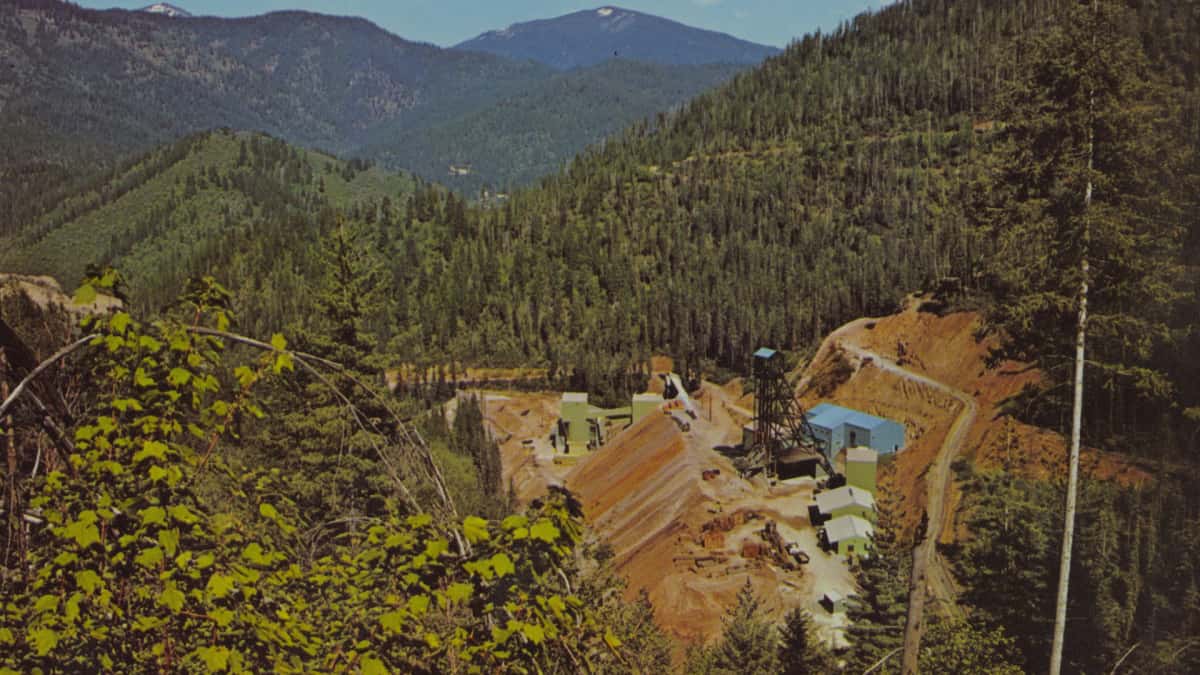
lib.uidaho.edu
Why it matters: Bullion’s rebound can quickly lift mining shares, but a one-day rally does not establish stronger margins or reverse a company’s wider share-price decline.
US$3,686.40/oz — spot gold, up nearly 5% on November 23.
8.2% — Coeur Mining’s gain during the session.
33.8% — Coeur’s decline since the start of the year.
57.2% — how far Coeur traded below its 52-week high.
Gold’s rebound lifted several mining and metals shares on Monday, November 23, but Coeur Mining’s 8.2% session gain did little to close the gap with its 2026 high. Spot gold rose nearly 5% to US$3,686.40 an ounce, recovering some ground after its largest weekly decline since March. The broader equity market also advanced, so the share moves cannot be attributed solely to bullion.
Miners rose alongside the broader market
Hecla Mining gained 7.9%, BHP Group rose 5.4%, Sunshine Silver Mining & Refining added 3.6%, and Companhia Siderúrgica Nacional advanced 3.5%. The list spans precious-metals producers, a diversified miner and a steelmaker, making the market-wide recovery relevant to interpreting the gains.
Higher metal prices can increase expected revenue faster than operating costs adjust in the short term, which helps explain why miners’ shares may move more sharply than the underlying commodity. But the session’s gains do not, by themselves, demonstrate improved margins or cash flow. Those outcomes also depend on each company’s production and costs.
Coeur’s rally leaves a steep drawdown
Coeur shares closed at US$11.63, still 33.8% below their year-to-date level at the start of the year and 57.2% below a 52-week high of US$27.15 reached in February 2026. The stock had also fallen 23.1% over the 12 months to November 23. Its recent volatility has been pronounced: the shares recorded 62 moves of more than 5% over the preceding 12 months.
Four days before the rally, Coeur had declined 4.5% amid concerns about higher US interest rates, a stronger dollar and weaker manufacturing data. Minutes from the Federal Reserve’s October meeting indicated that almost all participants considered further rate increases likely to be appropriate. At the time, traders assigned a 96.4% probability to a December rate increase, according to CME FedWatch. The Philadelphia Fed’s manufacturing index fell to 6.3 in November, below an expectation of 18, while its prices-paid component rose to 58.2.
The November 23 advance therefore came against both a sharp bullion recovery and a broader market rebound. Coeur’s share price remained far below its February high, and the available session data do not identify a company-specific catalyst for the move.
More in Resources

Cameco and Energy Fuels rally with Nvidia as uranium stocks track AI swings
A 57% slide in uranium miners had diverged from a rising long-term uranium price before Monday’s reversal.

Bolivia gold mining shrinks Inti tanager habitat as researchers lose access
The newly described endemic depends on dry forest in a narrow valley where fieldwork relies on access to areas affected by extractive activity.
Newmont Ghana jobs span mine roles, but applicants face a recruitment scam warning
The official listings cover Ahafo’s operating sites, while outside offers also claim a route into Newmont hiring.