
Iron Bear lifts Labrador iron project's value as US$4bn funding hurdle remains
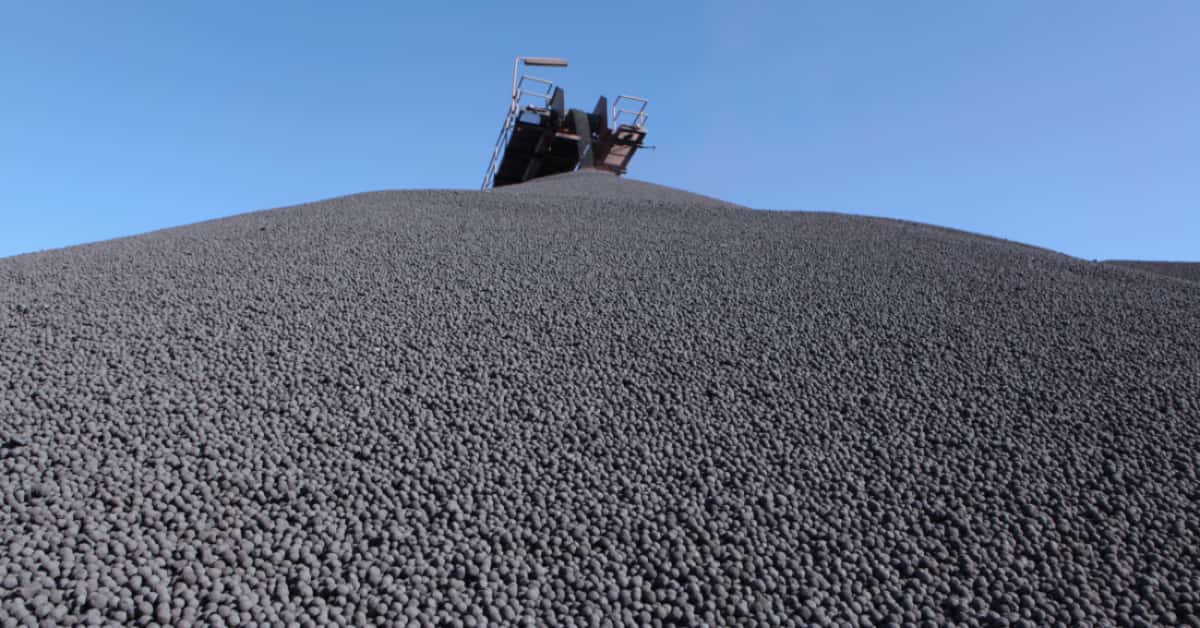
The expanded mine plan targets both direct-reduction pellets and conventional concentrates, but the project still needs a route to construction.
Why it matters: Iron Bear's revised study points to higher returns from a large Canadian iron ore project, but it remains years and substantial financing away from a construction decision.
US$11.6 billion — updated after-tax NPV, up from US$9 billion
25.9 million tonnes a year — projected output at steady state, versus 22.9 million previously
US$4 billion — approximate pre-production capital requirement, down from US$4.2 billion
3.3 billion tonnes — probable reserves grading 29.1% iron
Iron Bear Resources has raised the after-tax net present value (NPV) of its Iron Bear iron ore project in Canada's Labrador Trough by 29% to US$11.6 billion in an updated pre-feasibility study (PFS). The revised assessment, announced on November 23, 2026, also lifts the projected after-tax internal rate of return to 17.9% from 15.2% and trims estimated pre-production capital to approximately US$4 billion.
Higher output comes with a shorter mine life
The study increases planned annual production at steady state to 25.9 million tonnes from 22.9 million tonnes. That total comprises 18.6 million tonnes of direct-reduction iron ore pellets and 7.3 million tonnes of high-grade concentrates for conventional steelmaking.
The higher production rate coincides with a reduction in the projected mine life to 40 years from 44. Iron Bear's mine plan includes probable reserves of 3.3 billion tonnes at an average grade of 29.1% iron, alongside estimated mineral resources of 13.6 billion tonnes. The company said it has adjusted the schedule to mine higher-grade areas earlier, which it expects to bring forward revenue.
Iron Bear attributed the revised economics to changes in mine design, processing and tailings systems, plant utilisation and construction sequencing. Engineering and consulting firms involved in the work included Hatch, BBA, Danieli Newfer and Snowden Optiro.
Rail-based case retains the study's price assumptions
The base case assumes rail transport to port facilities at Pointe-Noire, using existing infrastructure along the Québec-Labrador mining corridor. It applies an 8% discount rate to NPV and retains the principal long-term price assumptions from the July assessment, including US$120 per tonne for 65% iron ore.
The study's estimated sales prices are US$152 per tonne for blast-furnace concentrates and about US$212 per tonne for direct-reduction pellets, reflecting product-quality premiums. An alternative slurry-pipeline scenario produces an estimated NPV of US$12.7 billion, but would require initial capital of about US$6.4 billion—US$2.4 billion more than the rail-based case.
Environmental review and financing remain ahead
The updated PFS is not a construction decision. Iron Bear estimates it will need approximately US$50 million for studies and work required to reach a mining investment decision, followed by financing for the planned initial capital. Options under consideration include project finance, strategic investors, supply agreements and new partners.
The company expects to file the project's environmental impact assessment in the first quarter of 2027. Until the required technical, environmental and financing steps are completed, the revised economics remain study estimates rather than a commitment to build.
More in Resources
Chile’s 2027 copper recovery faces a weather test across key mining regions
CRU’s scenarios draw on a winter shutdown that disrupted power links, roads and mine access across northern and central Chile.
Chile’s grid-capacity review expands, but mining connections face a separate test
The ten-year outlook distinguishes energy injection from withdrawal, a key split for mines and storage developers.
Kalgoorlie housing bucks regional Australia’s slide as WA markets split
Buyers seeking alternatives to Perth are looking beyond the capital, but mining hubs and coastal destinations are following different paths.