
Chile’s grid-capacity review expands, but mining connections face a separate test
The ten-year outlook distinguishes energy injection from withdrawal, a key split for mines and storage developers.
Why it matters: The assessment gives mine developers a broader screening tool for power connections, but its capacity figures do not guarantee access to the grid.
580 facilities — assessed in the preliminary 2026 study, 57 more than in 2025.
568 facilities — had sufficient technical information for classification.
6.4 GW — combined power covered by capacity-use requests authorised in 2025.
27 November — deadline for companies to submit observations on the preliminary study.
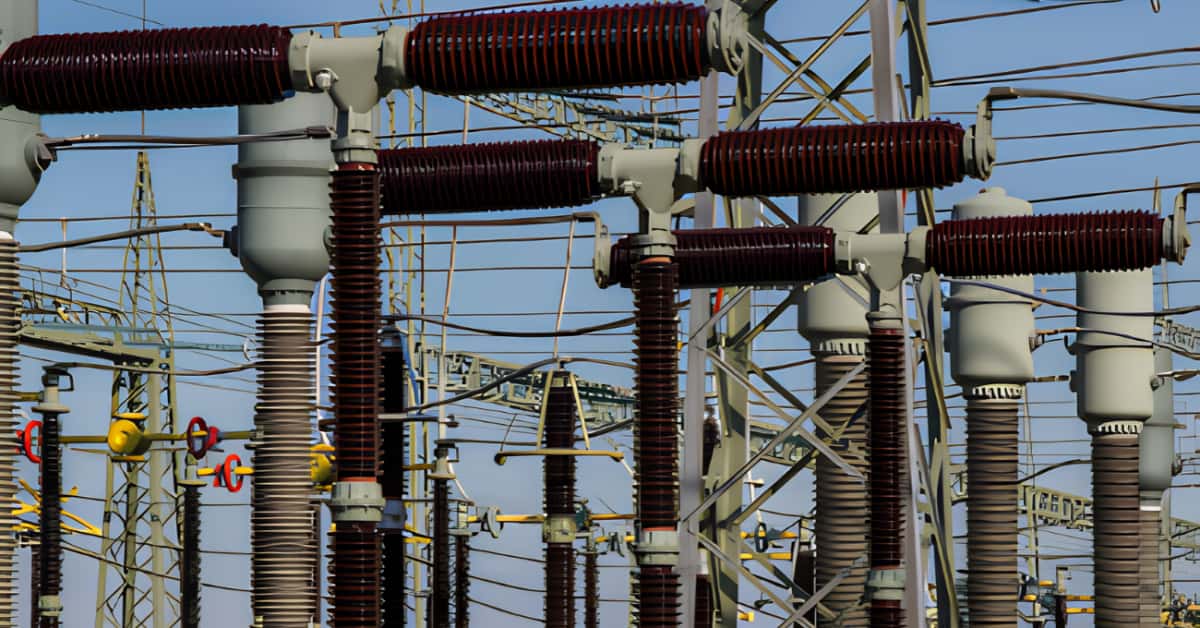
The Coordinador Eléctrico Nacional has published the preliminary 2026 Technical Available Capacity Study (ECTD), assessing 580 dedicated transmission facilities for their potential to inject or withdraw electricity. The study is intended to inform new generation, storage and consumption projects, including connection requirements for large industrial and mining operations.
The assessment covers 57 more facilities than the 2025 edition, which examined 523. It estimates available technical capacity based on infrastructure design, expected use, existing transmission contracts and committed projects. The outlook spans ten years, with comparative results for 2027 and 2031, and uses information updated to August 2026.
Northern Chile accounts for 279 facilities
Of the facilities with sufficient information for territorial classification, 279 are in the north, 93 in the central zone and 196 in the south. In the north, 218 are classified for mixed use, allowing flows in both directions; 30 are characterised by injection and 31 by withdrawal.
In total, 568 facilities had enough technical information for the analysis. The remaining 12—about 2% of the 580 assessed—could not be assigned an available-capacity figure because their records were insufficient. That is down from 21 facilities without the necessary information in the 2025 study.
For mining projects, withdrawal capacity can help screen options for connecting new electricity demand or expanding existing operations. Injection capacity is relevant to generation and storage developments. The study presents separate daytime and night-time injection scenarios that account for storage projects and renewable generation availability.
Storage projects featured in 2025 approvals
During 2025, the Coordinator authorised 65 requests to use available technical capacity, covering a combined 6.4 GW. Requests associated with energy storage systems and renewable plants with storage made up 77% of the approvals and 83% of the authorised capacity.
Those figures describe approved capacity-use requests, not a general guarantee that new projects can connect. The ECTD provides reference values; applicants must still follow open-access procedures and undergo technical assessments based on the specific conditions of each facility.
Companies can comment until 27 November
Companies may submit observations on the preliminary 2026 study through the Coordinator’s designated form and channels until 27 November. The comments will be considered before the final version is published, alongside the technical information in the study and its appendices.
The annual assessment is required under Article 80 of Chile’s General Law on Electricity Services, which calls for publication of information on the technical capacity available in dedicated transmission systems. The preliminary figures therefore provide a planning reference, while project-specific access remains subject to the applicable procedures and technical review.
More in Resources
Iron Bear lifts Labrador iron project's value as US$4bn funding hurdle remains
The expanded mine plan targets both direct-reduction pellets and conventional concentrates, but the project still needs a route to construction.
Chile’s 2027 copper recovery faces a weather test across key mining regions
CRU’s scenarios draw on a winter shutdown that disrupted power links, roads and mine access across northern and central Chile.
Kalgoorlie housing bucks regional Australia’s slide as WA markets split
Buyers seeking alternatives to Perth are looking beyond the capital, but mining hubs and coastal destinations are following different paths.