
Kalgoorlie housing bucks regional Australia’s slide as WA markets split
Buyers seeking alternatives to Perth are looking beyond the capital, but mining hubs and coastal destinations are following different paths.
Why it matters: Kalgoorlie’s housing strength sits alongside mining activity, while weaker coastal markets show that regional demand is far from uniform.
3.4% — Kalgoorlie home-value increase in the quarter
24.1% — Kalgoorlie increase over 12 months
7.8% — gross rental yield in Kalgoorlie, the highest in Australia
4.1% — quarterly decline in Busselton
Kalgoorlie recorded the strongest property-price performance among Australia’s significant local government areas, with values rising 3.4% in the quarter and 24.1% over 12 months, according to analytics firm Cotality. That contrasts with declines across regional Australia of 2% and 2.8% over the same periods.
The strength is not shared across Western Australia. Of 36 regional areas analysed, 21 recorded quarterly increases, while several tourism destinations and urban centres saw prices fall.
Kalgoorlie combines rising values with brisk sales
Homes in Kalgoorlie took an average of 11 days to sell, with vendors accepting prices 1.8% below their asking levels, Cotality data showed. The city’s gross rental yield was 7.8%, the highest in the country.
Local property agent Shelby Corby linked demand to well-paid employment and housing that remains relatively accessible. She said families can find larger homes near workplaces and recreational facilities, and described Kalgoorlie’s market as behaving differently from Perth’s.
A recent South Kalgoorlie sale illustrates the range of housing on offer: a three-bedroom, one-bathroom house on a 1,113-square-metre block sold for A$500,000. The home had a 1970s exterior, with a renovated kitchen and bathroom. Listings showed one-bedroom units advertised for A$500 to A$550 a week, while four-bedroom, two-bathroom houses were listed at A$950 to A$1,100 a week.
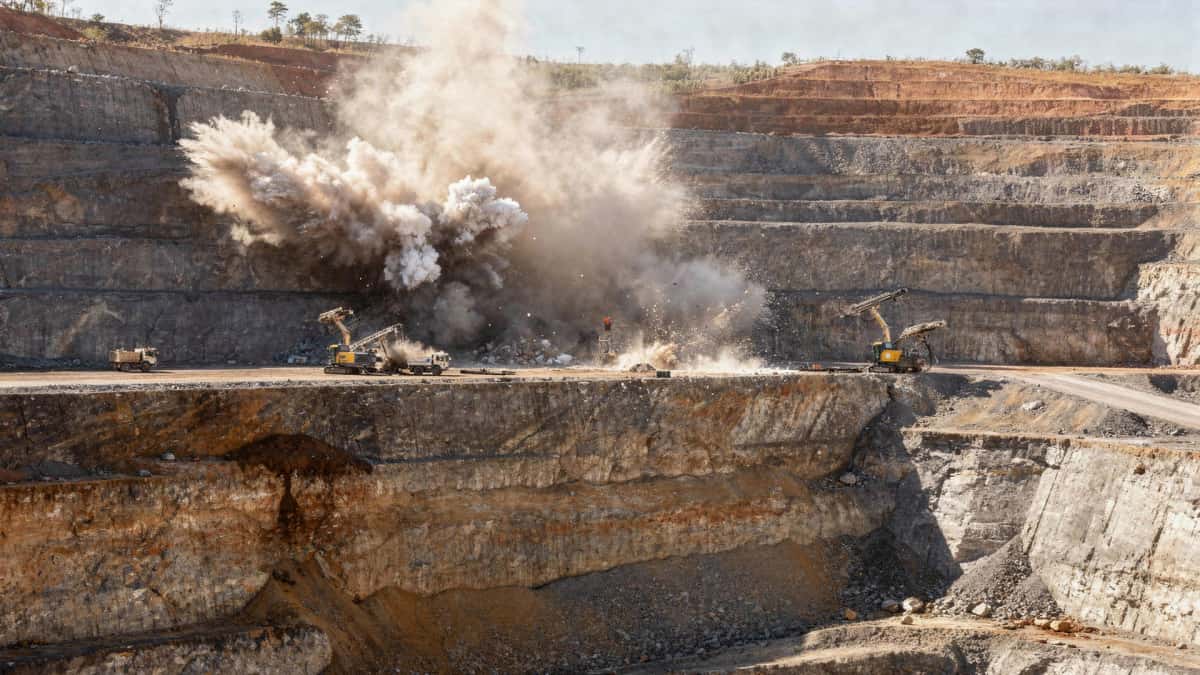
Corby also pointed to the proposed Fimiston South expansion, associated with the Super Pit, saying it could add 10 to 20 years to operations. She recalled the project drawing spontaneous applause at a recent business lunch. The housing data, however, do not establish how much mining-related employment or investment is driving local prices.
Gains extend beyond the mining city
Carnarvon and Beverley posted the largest quarterly increases outside Kalgoorlie, at 7.6% and 6.9%, respectively. Exmouth rose 6.1%, Dundas 5.9%, Moora 5.8%, Esperance 4.2%, Gingin 4%, York 3.7% and Dandaragan 3.6%.
Buyers seeking alternatives to Perth may be contributing to demand in regional towns, but the available figures do not quantify that movement or show that it alone caused the price gains.
Coastal markets show a different pattern
Busselton recorded the weakest regional performance in Australia, with values down 4.1% in three months. Geraldton had the country’s steepest regional fall in sales volume over 12 months, down 25.8%, even as prices there rose 0.3% in the quarter.
Values also fell 2.8% in Bunbury and 1.8% in Albany. Homes nevertheless sold quickly: an average of 15 days in the Bunbury–Busselton area and about two weeks in Albany. Broome recorded increases of 1.2% quarterly and 0.6% annually. Margaret River fell 3.6% in the quarter but remained 9.9% higher over 12 months.
More in Resources
Copper’s bear-market slide collides with China’s scramble for physical metal
A tariff-driven stockpile in the United States is being redirected as Chinese buyers face a different constraint in the physical market.
Egypt's gold-mining plan targets informal workers, but key terms remain open
The crackdown cut off income for thousands of households, as tribal representatives debate how a state-supervised route would handle gold sales.
SINOMACH adapts excavators for extreme mines, but heat and cold need opposing fixes
Six excavators in a South American gold mine work through humid summer heat, while other fleets face winter starts below freezing.