
Guinea’s gold-export rules strand miners’ inventories as local refining starts
The local-processing mandate is colliding with export approvals, insurance costs and the rollout of domestic refining capacity.
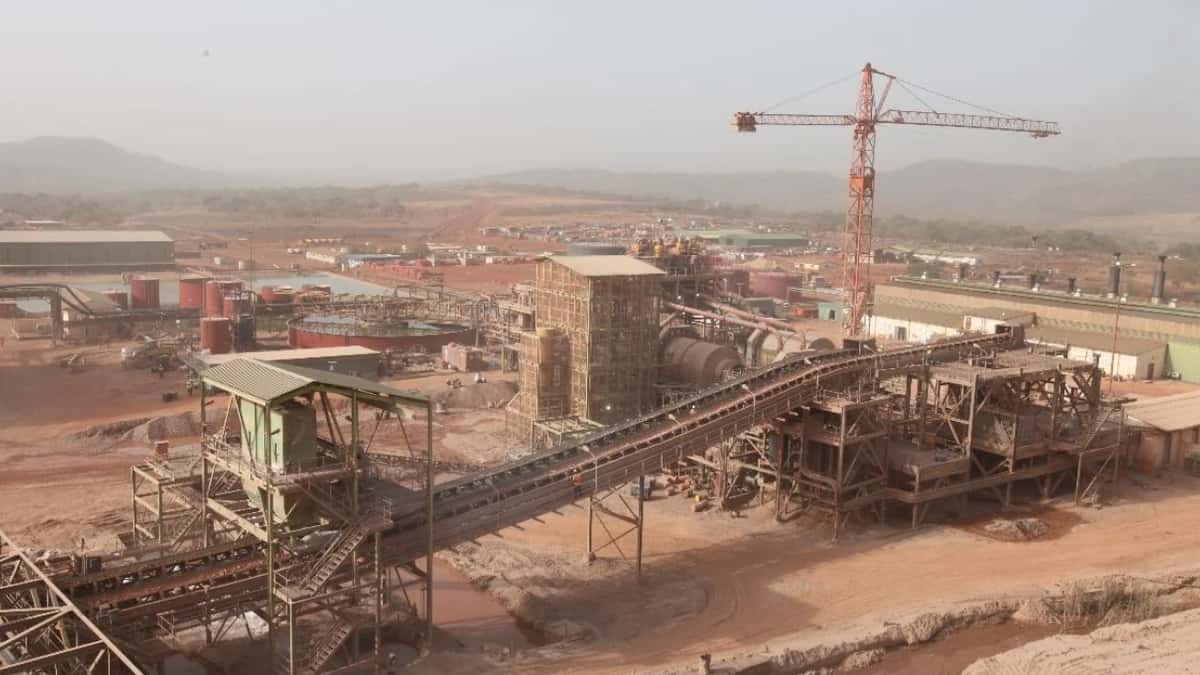
Why it matters: Delayed exports tie up miners’ working capital while Guinea builds a domestic refining chain.
More than 20,000 ounces — gold held by one unidentified producer for six weeks.
6 October 2026 — the 90-day transition period ended.
1 November 2026 — the Nimba Gold Refinery began operating in Conakry.
69 tonnes — Guinea’s estimated gold production in 2025.
Guinea’s requirement to refine gold domestically before export has left producers including AngloGold Ashanti, Nordgold and PDI Gold facing shipment delays and rising storage costs. One mining executive said the company had held more than 20,000 ounces for six weeks and doubled its insurance cover; the company was not identified.
The rules took effect after a 90-day transition that ended on 6 October. Although the Nimba Gold Refinery began processing gold on 1 November, administrative delays and the gradual rollout of domestic capacity have continued to complicate exports. The available information does not establish a total industry inventory or indicate that mine production has stopped.
Inventories tie up cash as approvals lag
Executives and lawyers familiar with the rules’ implementation said producers had accumulated gold worth tens of millions of dollars while awaiting the procedures needed to sell and ship it. Another industry representative said companies had been accumulating metal for more than four weeks.
The delay affects more than physical storage. Until miners can export and complete sales, revenue from produced gold is unavailable for operating costs, contractual commitments and investment. The reported doubling of insurance cover adds to the cost of holding inventory, though the companies and total amounts involved have not been disclosed.
PDI Gold said it supports the government’s aim of increasing the value retained from Guinea’s natural resources and is working with authorities and industry representatives on implementation. AngloGold Ashanti and Nordgold did not immediately comment.
Refinery starts after the transition deadline
The Nimba Gold Refinery was inaugurated in Conakry nearly four weeks after the transition period ended. Mines and Geology Minister Bouna Sylla said the plant had started processing gold and that the government had appointed a major UAE-based refiner to operate it. He did not name the operator and said authorities were negotiating commercial terms with mining companies.
The decree requires locally produced gold to pass through an authorised Guinean refinery before export. It defines refined gold as metal with a purity of 99.5% to 99.99%, certified by an authorised facility in the country. Exporters must also provide origin and assay documentation, meet customs requirements and secure approval from the Ministry of Mines.
Producers are required to supply domestic refineries as a priority, but the regulation leaves commercial ownership of the gold with the mining companies unless they agree otherwise in writing. That distinction means miners must adapt export procedures and contracts without automatically transferring ownership of their output to refinery operators.
Commercial terms remain part of the rollout
The policy, introduced under President Mamadi Doumbouya, is intended to expand local processing and build Guinea’s role in regional refining. The country produced an estimated 69 tonnes of gold in 2025. But the gap between the end of the transition period and the refinery’s start highlights that operating infrastructure alone does not guarantee immediate access to refining, approvals or commercially workable export arrangements.
The immediate issue for producers is whether those procedures and terms can be settled so accumulated metal can move through the new system. The decree also requires certification and ministerial authorisation for shipments, making those approvals a practical condition for exports to resume.
More in Resources
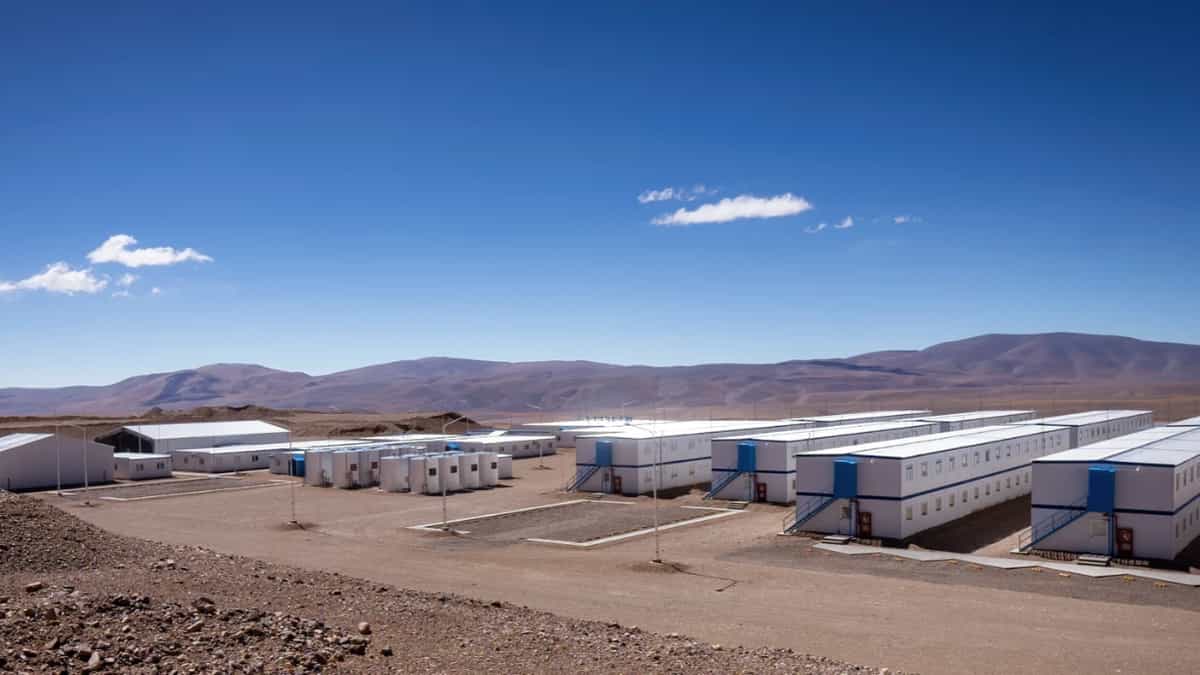
Vicuña awards San Juan camps, but North Corridor logistics remain unfinished
The sites will support a 220-kilometre access route, but each camp must also operate its own power and water systems.
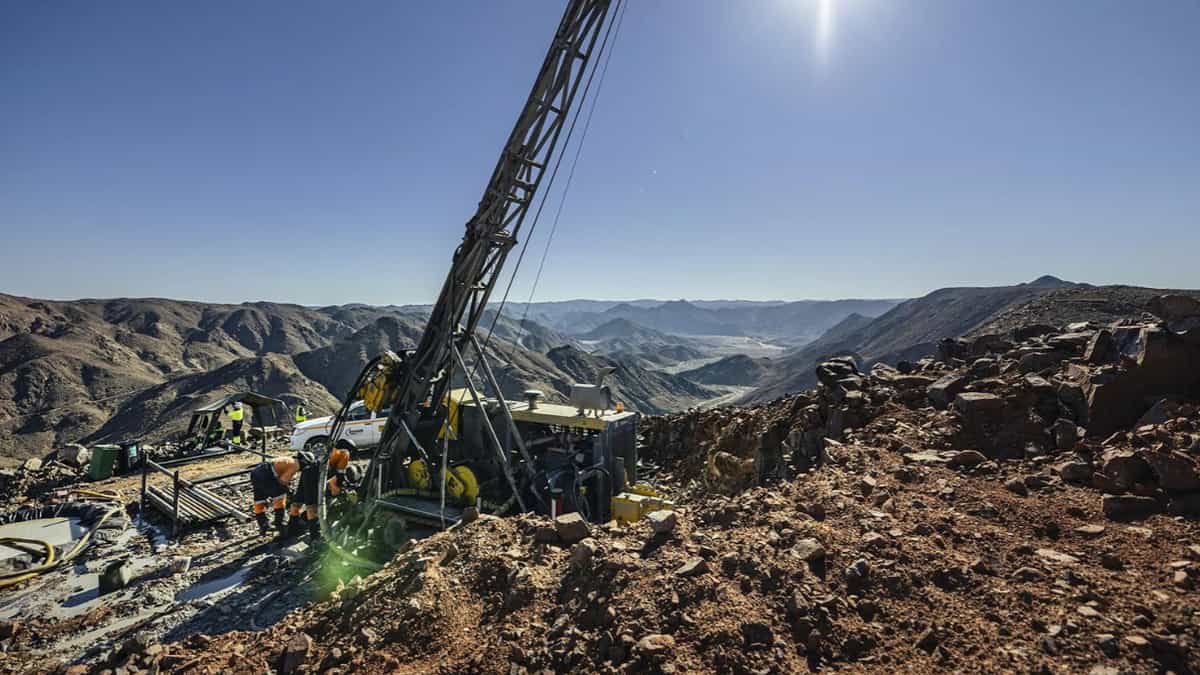
Koryx's Haib study lifts copper output, but a US$2.06bn build remains unapproved
The revised design drops heap leaching for a single sulfide route, while permits, funding and a definitive study still stand between the plan and construction.
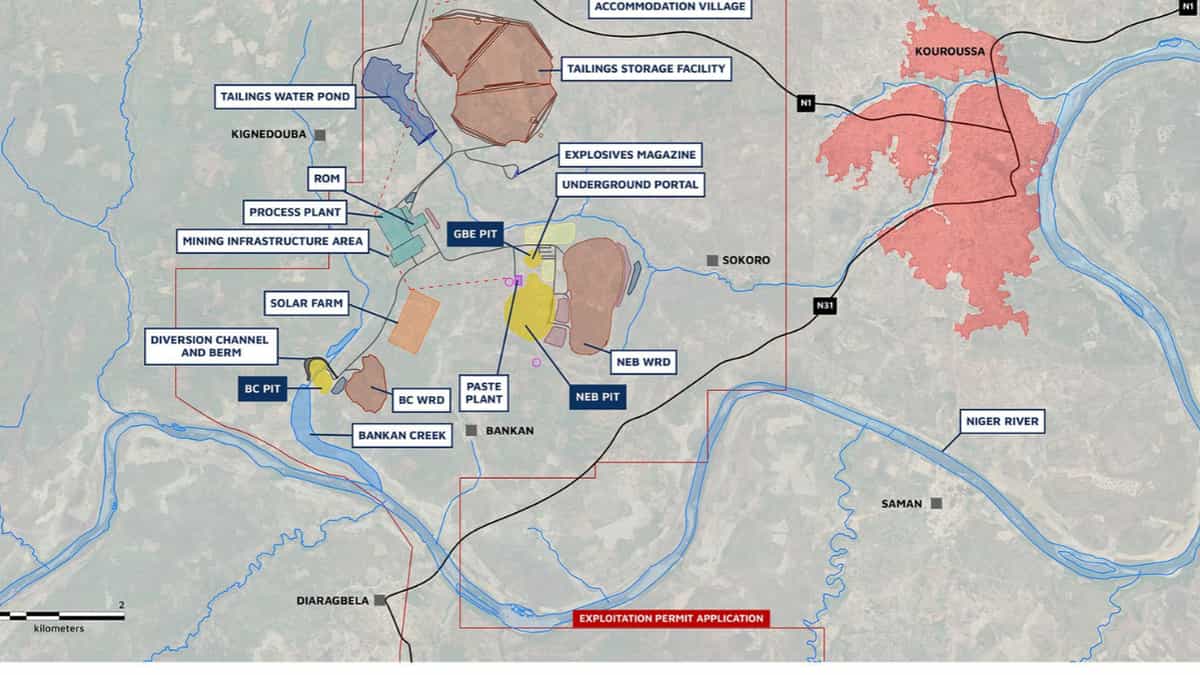
Guinea approves PDI Gold’s Bankan mine after nearly two years of delay
Bankan’s construction schedule depends on a project that spent nearly two years waiting on Guinea’s licensing process.